In brief
Calvin Duncan, who spent nearly 30 years in prison for a crime he did not commit, won the election to become Orleans Parish Clerk of Criminal Court by a resounding 68%. Despite this victory, Louisiana Governor Jeff Landry and Republican legislators are pushing to abolish the position before he is swore in, arguing for government efficiency. Duncan believes this is retaliation for his advocacy and denies any wrongdoing. The situation highlights political tensions surrounding judicial reforms and voting rights in Louisiana, particularly affecting the predominantly Black electorate of New Orleans.
NEW ORLEANS (AP) — A man imprisoned for nearly 30 years before being exonerated won a landmark election in New Orleans promising to fix a judicial system that failed him. However, Louisiana Governor Jeff Landry and the GOP-controlled Legislature are racing to eliminate his job before he can be sworn in.
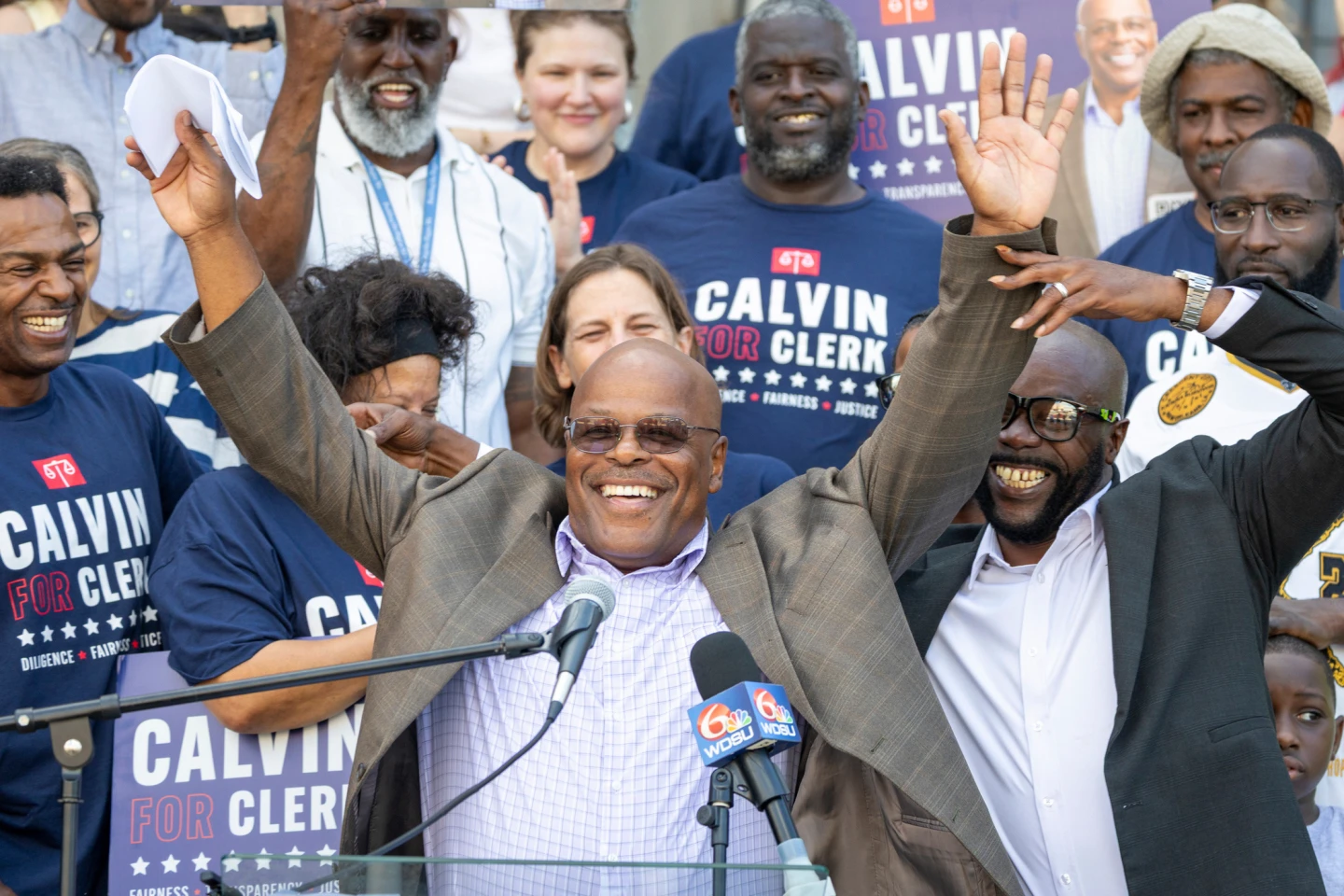
Calvin Duncan won 68% of the vote last November to become the Orleans Parish Clerk of Criminal Court after pledging to reform the justice system based on his experience in fighting to access court records while imprisoned. Having rebuilt his life by winning the election, Duncan now faces a legislative effort to dismantle his position. This move is part of a broader GOP initiative to optimize the judiciary in New Orleans, a Democratic stronghold with a predominantly black population.
As Republicans defend their actions as necessary for governmental efficiency, Duncan argues it's a blatant disenfranchisement of the citizens who voted for him. “The citizens of New Orleans overwhelmingly said: ‘I want to give this person a chance, he can make a difference,’” Duncan lamented at a committee hearing. “What this bill does, it says: ‘Thank you but you wasted your time.’ It disenfranchises everybody.”
The efforts against Duncan occur in a context of political friction, especially surrounding issues of voting rights and judicial integrity within the state. Since being exonerated, Duncan has been a steadfast advocate for justice reform and has faced opposition from state officials who continue to challenge his claims of innocence.
As the legislative dynamics unfold, Duncan's impending swearing-in on May 4 now hangs in uncertainty. His imprisonment serves as a grim reminder of judicial failings, but his election represents a hopeful narrative of redemption and reform — a narrative some seem intent to constrict.