Following a volatile 24-hour period marked by escalating hostilities, a ceasefire has been established between Iran and Israel. This ceasefire came after a series of missile exchanges and US military actions that have heavily involved regional players such as Qatar. Here’s a timeline of the tumultuous events leading to this fragile peace.
In the early hours of Monday, the US government advised citizens in Qatar to "shelter in place," reflecting fears of retaliation from Iran following unprecedented strikes targeting its nuclear facilities by US forces. Notable among these sites was the Fordo enrichment facility, a key component of Iran's nuclear program.
By midday, reports emerged of a "credible threat" to the al-Udeid US air base, the largest military installation housing American troops in the Gulf region. As airspace restrictions were imposed, a flurry of missile interceptors lit up the Qatari skies, confirming fears of an Iranian missile attack.
Iran quickly claimed its retaliation efforts through state-controlled media, affirming that US bases are vulnerabilities rather than strengths. The missiles aimed for the US base were reportedly intercepted, averting casualties. The Iranian leadership appeared to calibrate its response to avoid escalating the situation into a larger conflict, allowing the public to believe they had reacted without causing significant damage.
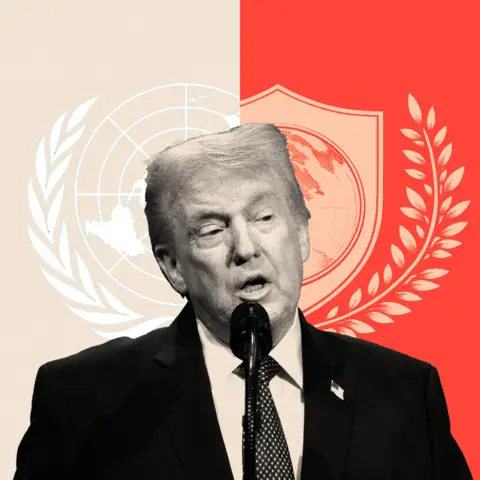
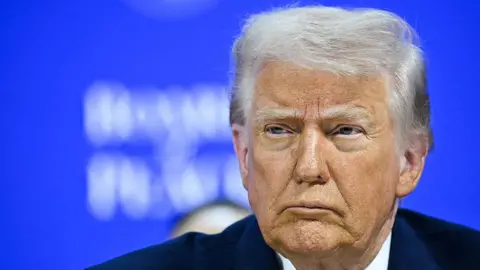
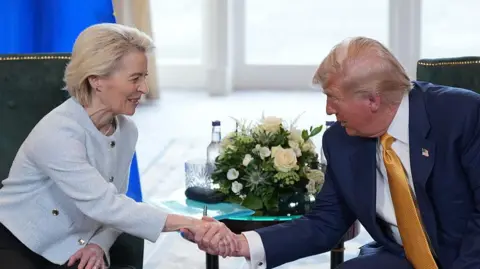
As tensions heightened, US President Donald Trump adopted a surprisingly conciliatory tone in his social media communications. He recognized Iran's missile actions as restrained while suggesting that both countries might pursue peace and regional harmony. His unexpected calls for a ceasefire reflected ongoing discussions involving US officials, Israeli leaders, and Iranian representatives.
Around this time, Israel experienced incoming missiles from Iran, leading to sirens across the country. A direct hit on a residential building in Beersheba resulted in casualties, deepening the conflict. Concurrently, Israeli strikes in Iran reportedly resulted in fatalities, underscoring the intensifying military confrontations.
By the evening, Trump announced a ceasefire had been negotiated, designating the duration of hostilities as the "12 Day War." However, moments after the ceasefire was declared, hostilities resumed, with Israel launching strikes amid accusations of Iranian violations.
As the sun rose in America, Trump faced reporters, emphasizing that both nations had breached ceasefire conditions despite confirming the agreement was still intact. Communication lines were established between Trump and Netanyahu to stabilize the situation, revealing the complexities of US diplomacy in times of conflict.
In a high-stakes game of military might and diplomatic maneuvering, this unfolding scenario poses pressing questions about the stability of the region and the future of US involvement, especially in light of nuclear developments in Iran.
In the early hours of Monday, the US government advised citizens in Qatar to "shelter in place," reflecting fears of retaliation from Iran following unprecedented strikes targeting its nuclear facilities by US forces. Notable among these sites was the Fordo enrichment facility, a key component of Iran's nuclear program.
By midday, reports emerged of a "credible threat" to the al-Udeid US air base, the largest military installation housing American troops in the Gulf region. As airspace restrictions were imposed, a flurry of missile interceptors lit up the Qatari skies, confirming fears of an Iranian missile attack.
Iran quickly claimed its retaliation efforts through state-controlled media, affirming that US bases are vulnerabilities rather than strengths. The missiles aimed for the US base were reportedly intercepted, averting casualties. The Iranian leadership appeared to calibrate its response to avoid escalating the situation into a larger conflict, allowing the public to believe they had reacted without causing significant damage.
As tensions heightened, US President Donald Trump adopted a surprisingly conciliatory tone in his social media communications. He recognized Iran's missile actions as restrained while suggesting that both countries might pursue peace and regional harmony. His unexpected calls for a ceasefire reflected ongoing discussions involving US officials, Israeli leaders, and Iranian representatives.
Around this time, Israel experienced incoming missiles from Iran, leading to sirens across the country. A direct hit on a residential building in Beersheba resulted in casualties, deepening the conflict. Concurrently, Israeli strikes in Iran reportedly resulted in fatalities, underscoring the intensifying military confrontations.
By the evening, Trump announced a ceasefire had been negotiated, designating the duration of hostilities as the "12 Day War." However, moments after the ceasefire was declared, hostilities resumed, with Israel launching strikes amid accusations of Iranian violations.
As the sun rose in America, Trump faced reporters, emphasizing that both nations had breached ceasefire conditions despite confirming the agreement was still intact. Communication lines were established between Trump and Netanyahu to stabilize the situation, revealing the complexities of US diplomacy in times of conflict.
In a high-stakes game of military might and diplomatic maneuvering, this unfolding scenario poses pressing questions about the stability of the region and the future of US involvement, especially in light of nuclear developments in Iran.