Afghans living in the US have condemned Wednesday's deeply tragic deadly shooting attack in Washington DC, while stressing that the suspect - who moved to the US from Afghanistan four years ago - does not represent them.
The alleged gunman, 29-year-old Rahmanullah Lakanwal, entered America under a programme that offered special immigration protections to Afghans who worked with the US in the wake of its troop withdrawal from Afghanistan in 2021.
National Guard member Sarah Beckstrom, 20, was killed in Wednesday's shooting, and a colleague, Andrew Wolfe, 24, is said to be fighting for his life.
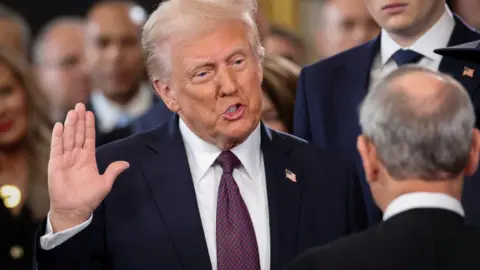
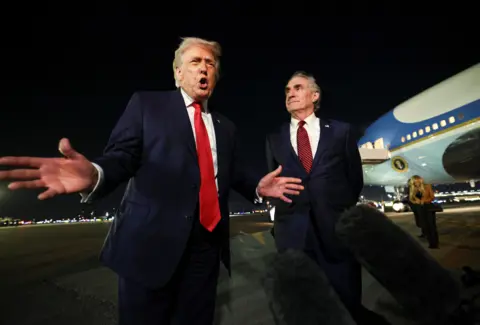
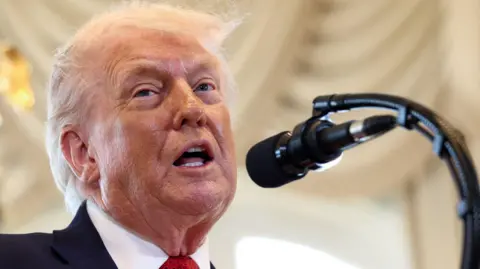
In response, US President Donald Trump has halted the processing of all immigration requests from Afghans, ordered a review of green cards issued to individuals from 19 countries, and threatened a wider crackdown on migrants from what he calls third-world countries.
The Afghan Community Coalition of United States expressed its sympathy for families of the victims, calling for a comprehensive investigation but urging the US government not to delay or suspend Afghan immigration claims.
Twenty years of Afghan-US partnership must not be forgotten, the coalition's statement said, nodding to the two-decade effort launched by the US in 2001 to overthrow Afghanistan's Taliban rulers and establish security in the country.
Afghans living in America told the BBC they had been horrified by the Washington DC attack, which they emphasised was the act of just one person.
They spoke anonymously out of fear of reprisals by the Taliban, which took back control of Afghanistan following the US troop withdrawal in 2021. One of the Afghans described Wednesday's incident as deeply tragic, noting the timing ahead of Thanksgiving amid a highly charged political environment in Washington DC.
Another Afghan labelled the shooting really shocking, expressing prayers for the victims' families and emphasizing that this was an individual crime unrepresentative of the entire community. Many in the Afghan community in the US remain grateful for the evacuation efforts during the crisis in Kabul.