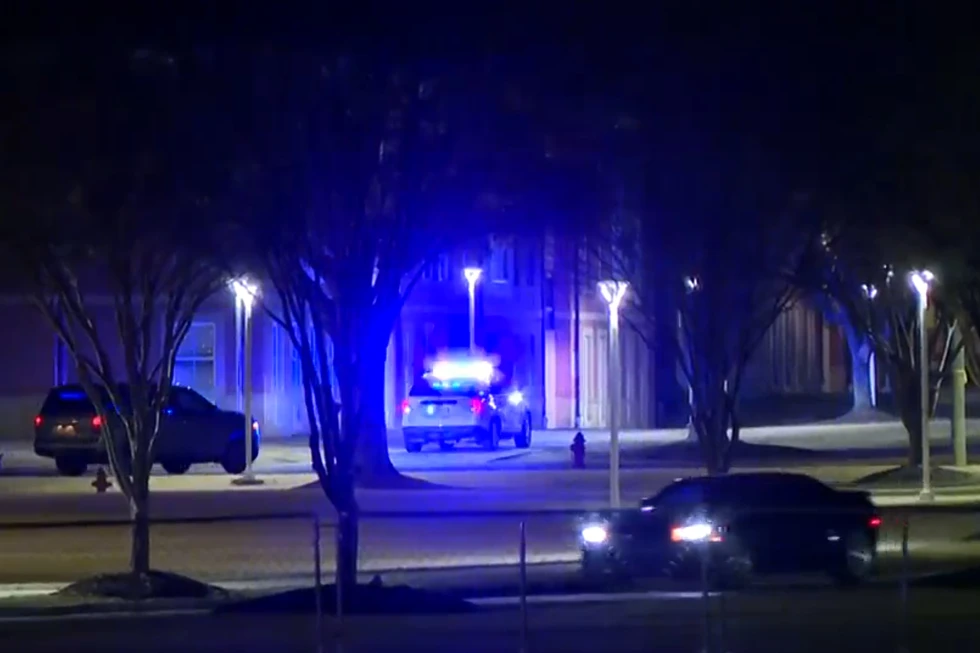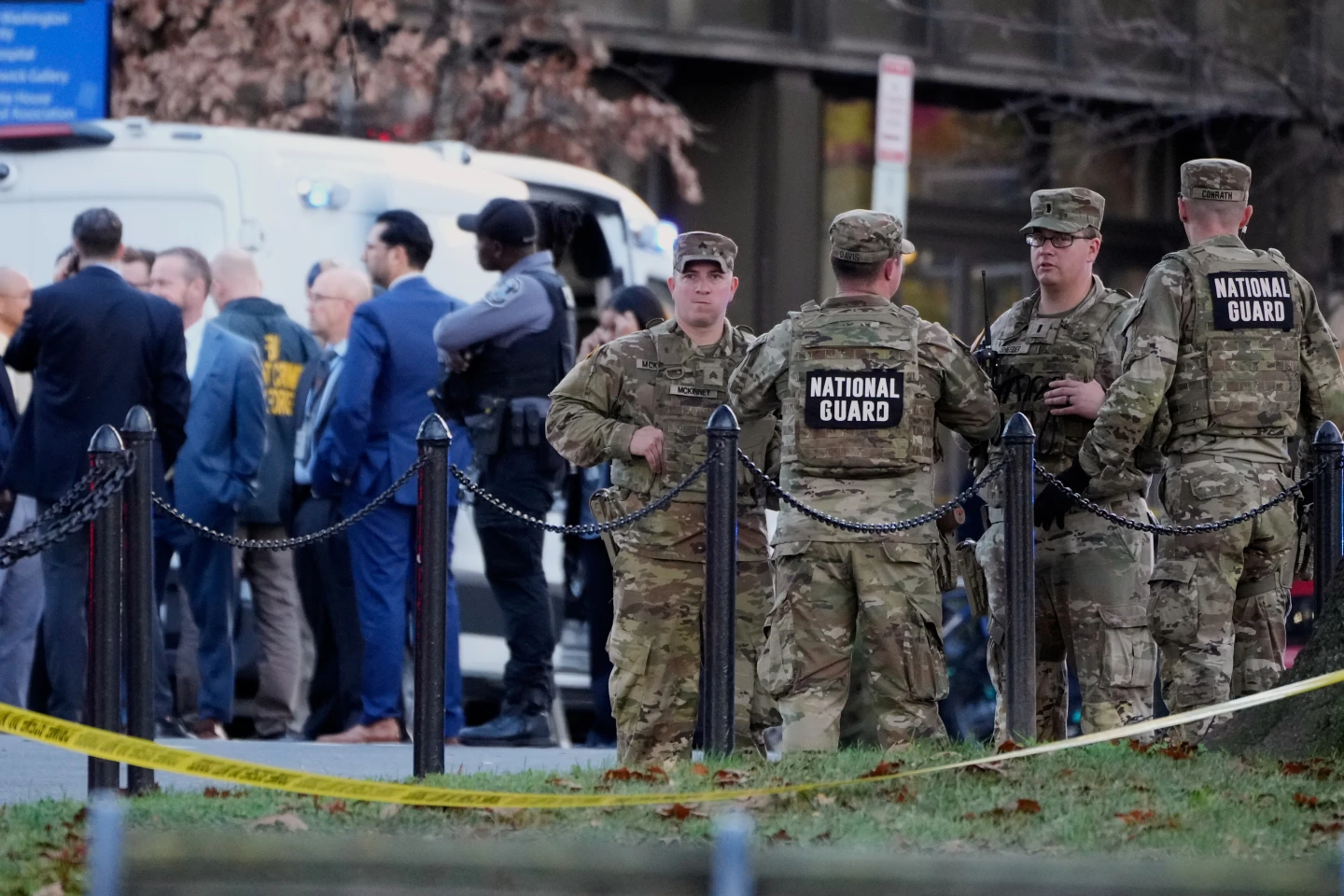
The 33-year-old Afghan man, Rahmanullah Lakanwal, accused of shooting two National Guard members in Washington D.C., is part of a larger group of nearly 76,000 Afghans who were brought to the United States during the withdrawal from Afghanistan in 2021. This program is known as Operation Allies Welcome, which was initiated to offer refuge to those who assisted U.S. forces.
President Joe Biden emphasized the obligation to protect Afghan allies, citing the risks they faced from the Taliban. Amidst support for the resettlement program, critics—including former President Donald Trump—have voiced serious concerns over inadequate vetting of refugees, pointing to this incident as a failure of the process.
Before resettling in the U.S., Lakanwal reportedly worked closely with the CIA in Afghanistan, although details of his specific role remain unclear.
During his time in the U.S., Lakanwal lived in Bellingham, Washington, with his wife and five children. He gained asylum under the Trump administration, a process that required rigorous background checks, including fingerprinting and iris scanning.
Immediate Reactions
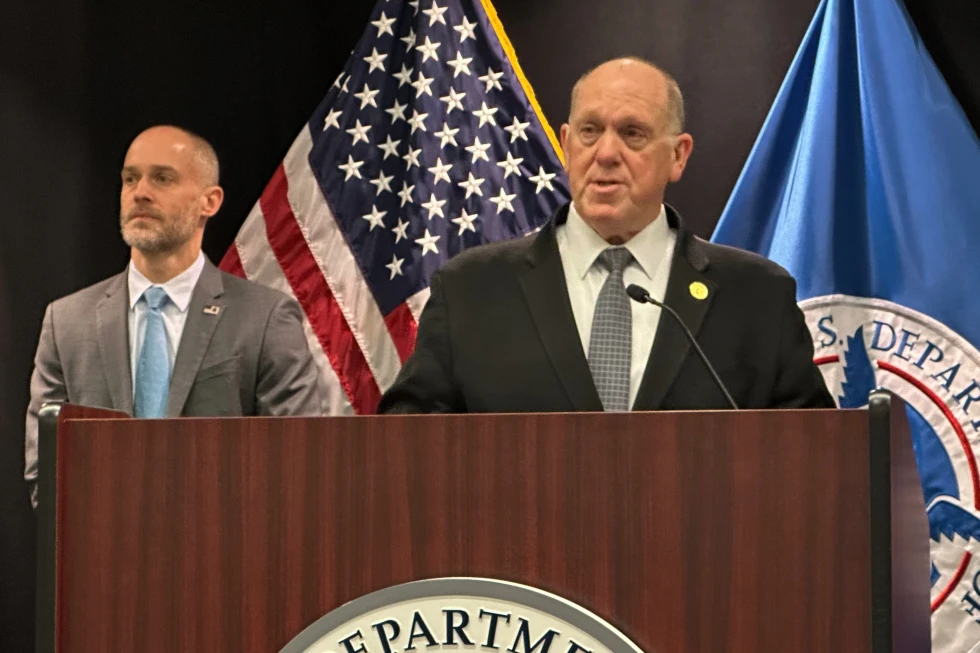
The aftermath of the shooting has sparked intense debate about the safety measures for those entering the U.S. from conflict zones. John Ratcliffe, CIA Director, criticized the Biden Administration's shortcomings, asserting that such individuals, like Lakanwal, should not have been permitted entry.
Supporters of Afghan resettlement programs argue that Lakanwal's actions do not reflect the broader contributions of thousands who have integrated successfully into American society, striving for a peaceful life.
Community Support and Future Implications
Groups aiding Afghan resettlement have called for a nuanced understanding of the challenges faced by refugees. As tens of thousands await resettlement, they emphasize the importance of highlighting their positive contributions rather than allowing isolated incidents to overshadow their stories.