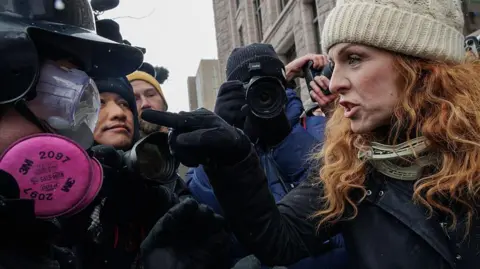
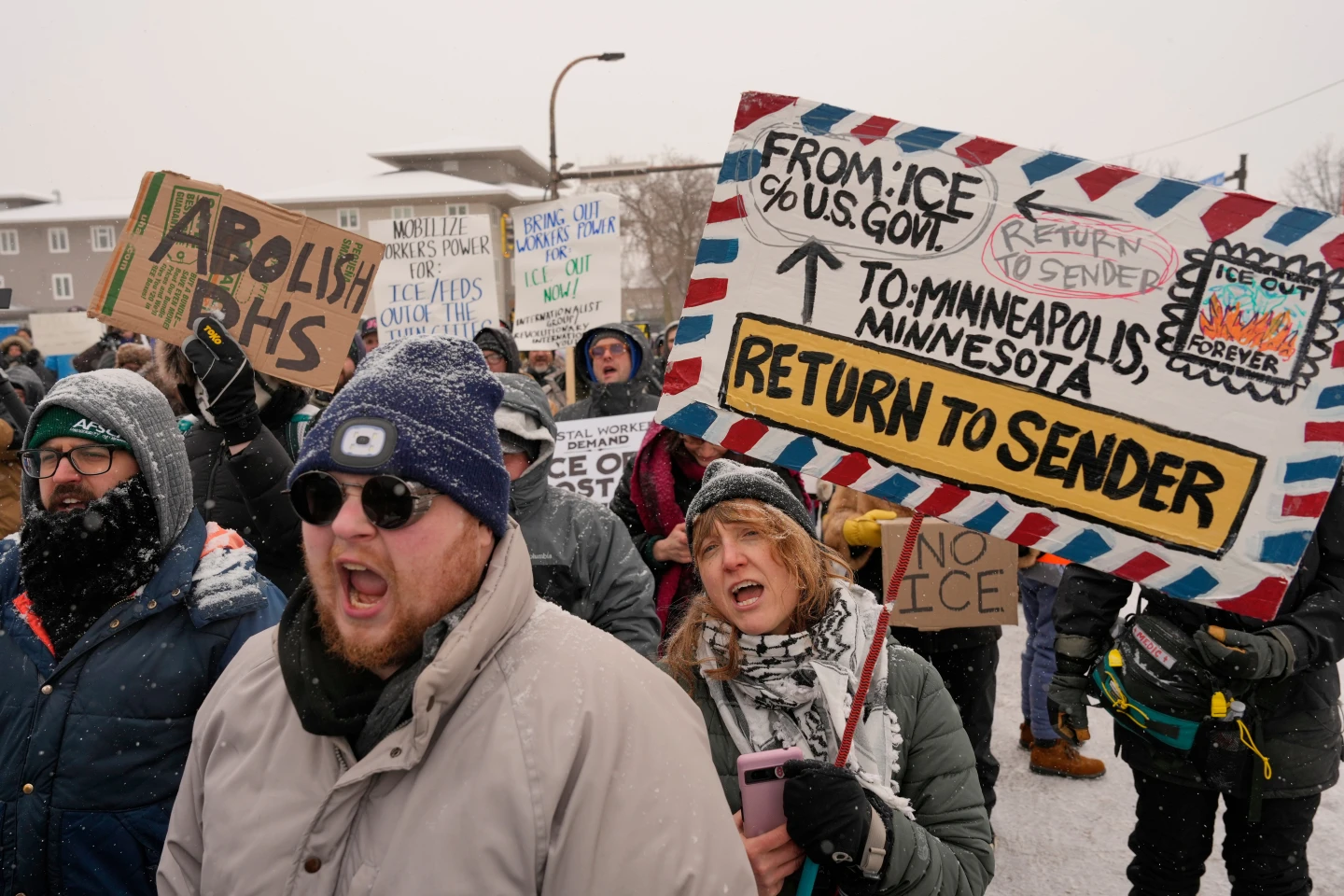
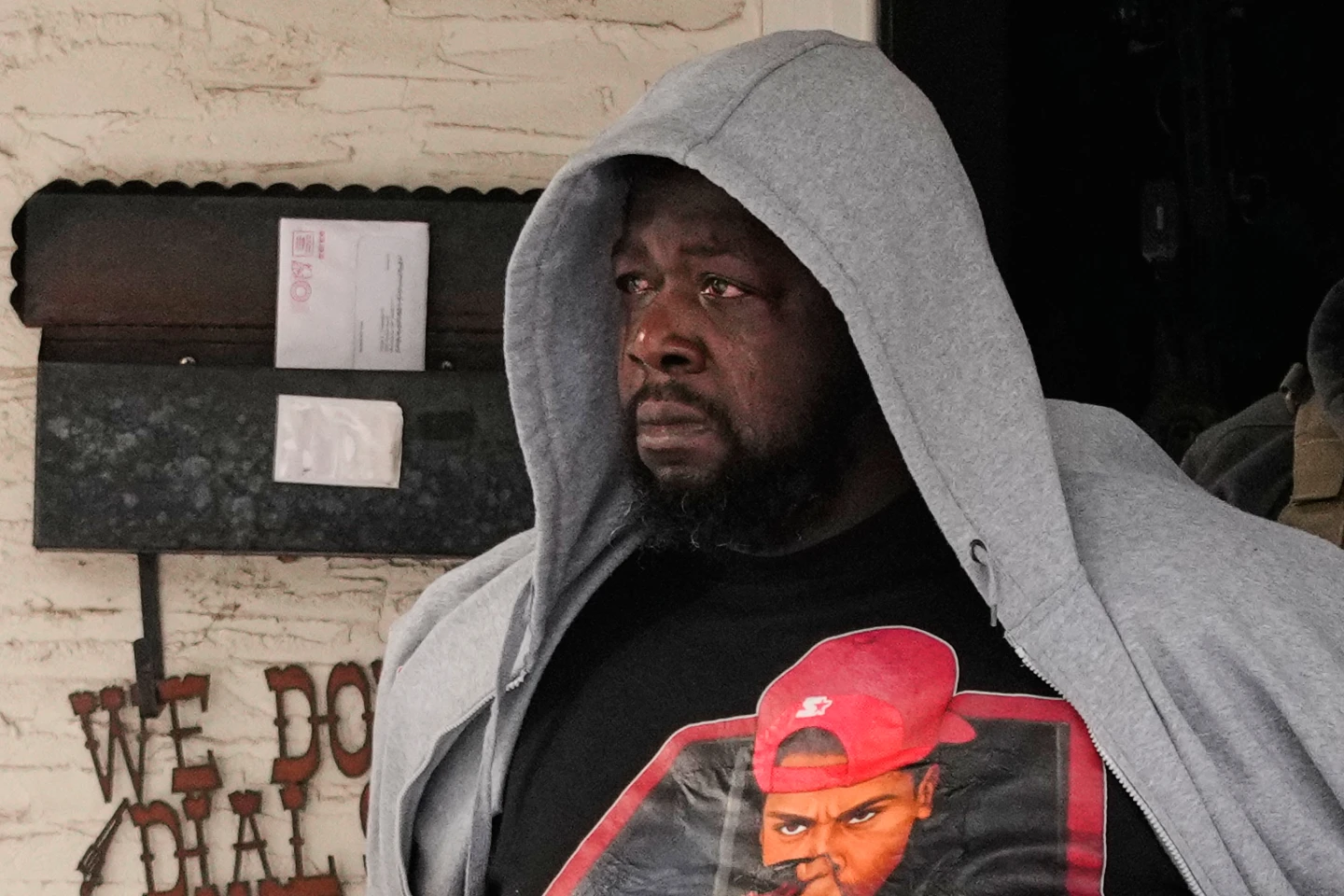
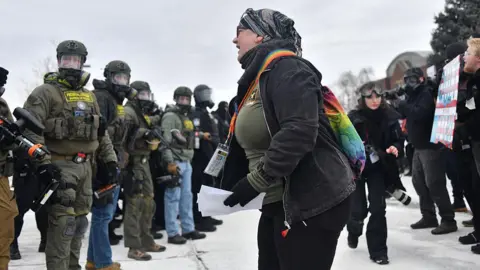
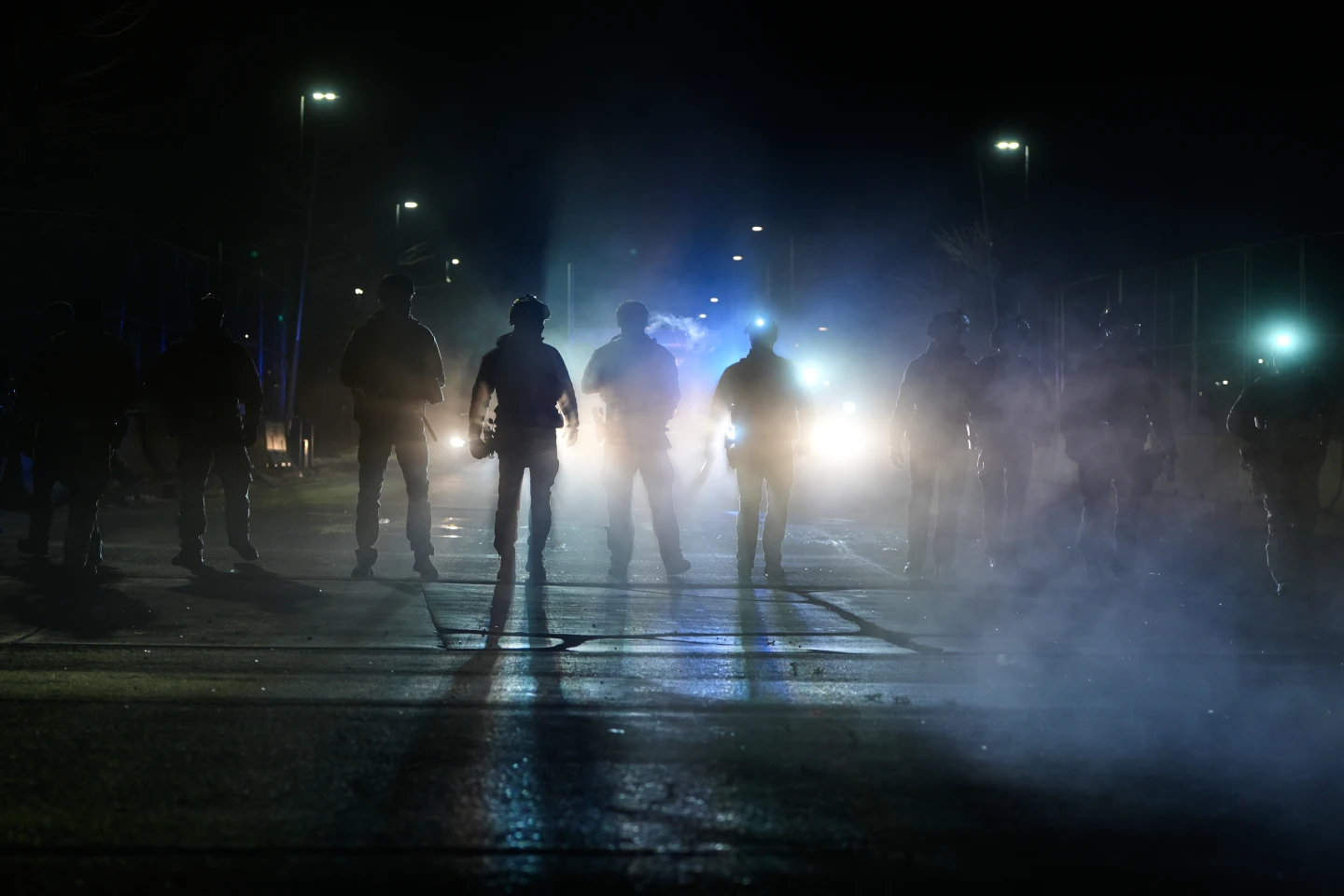
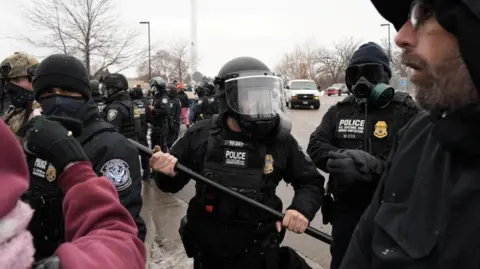
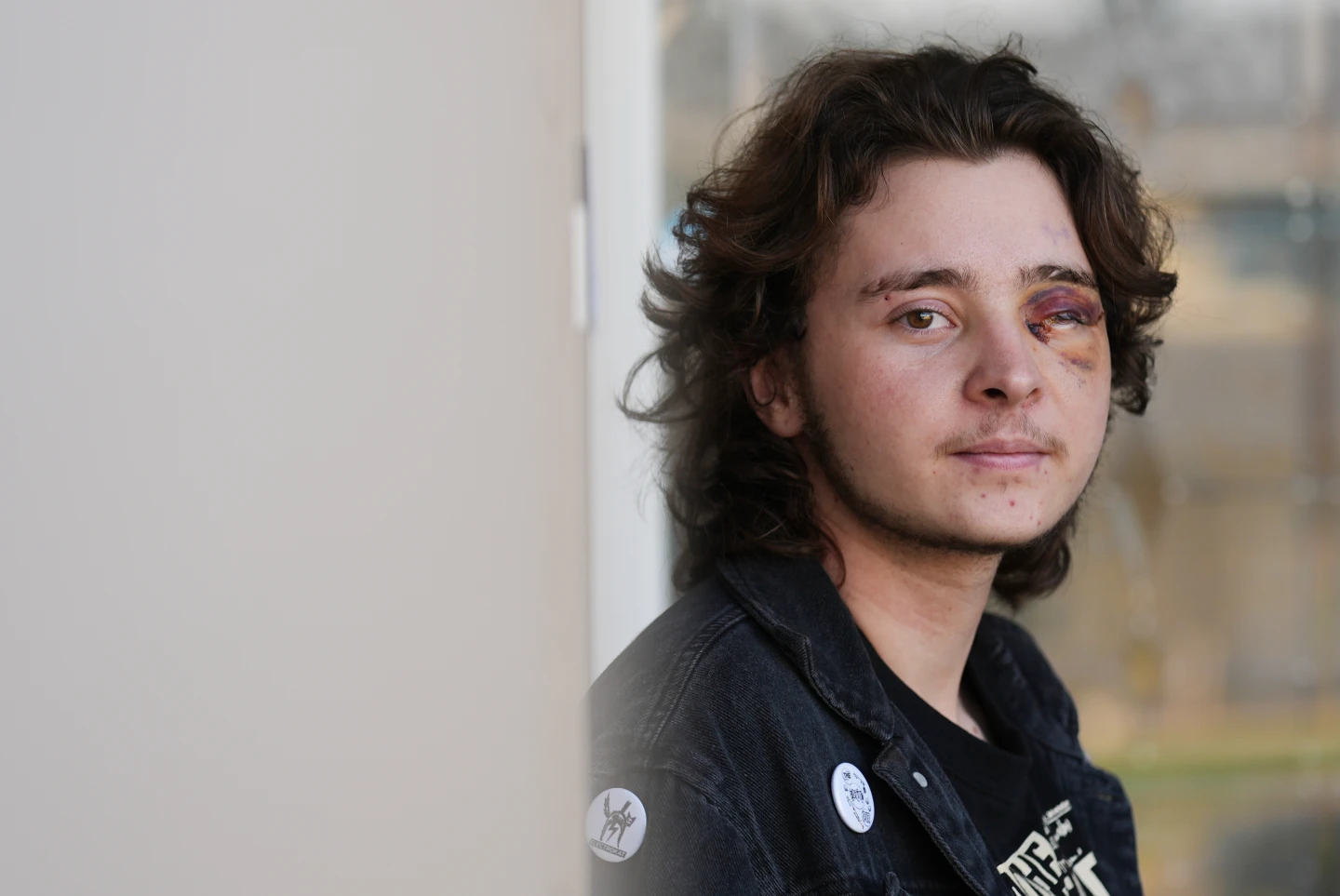
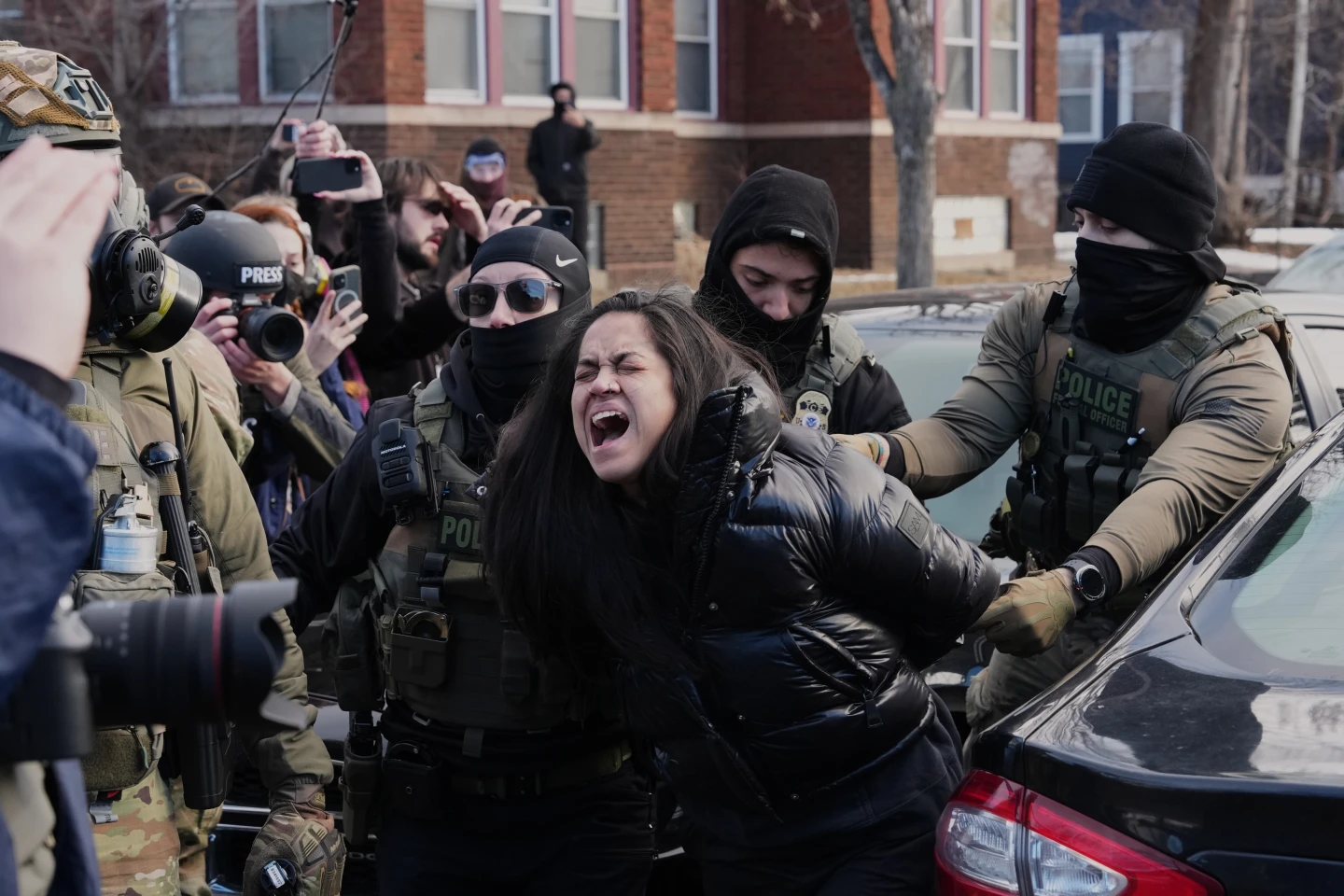
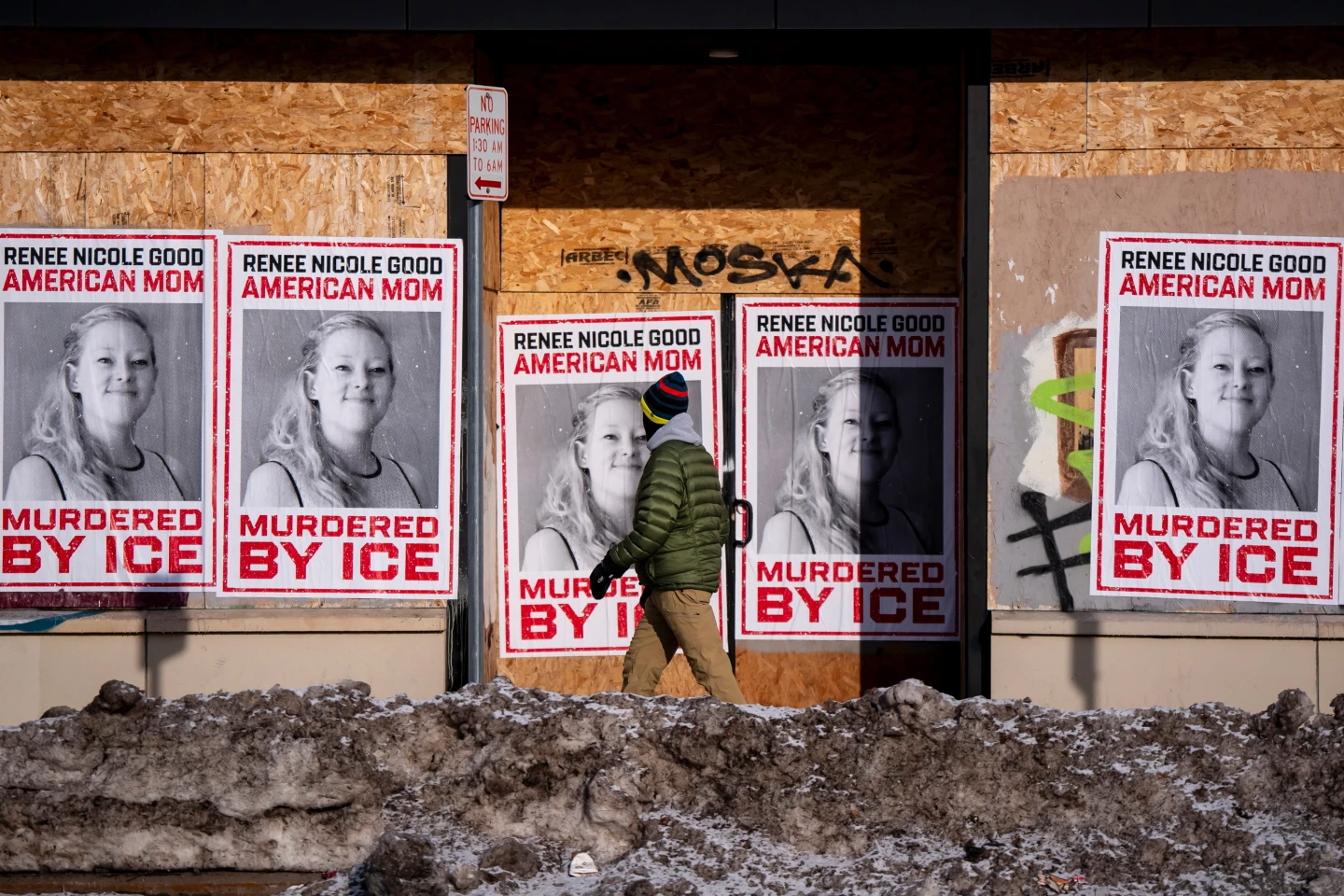
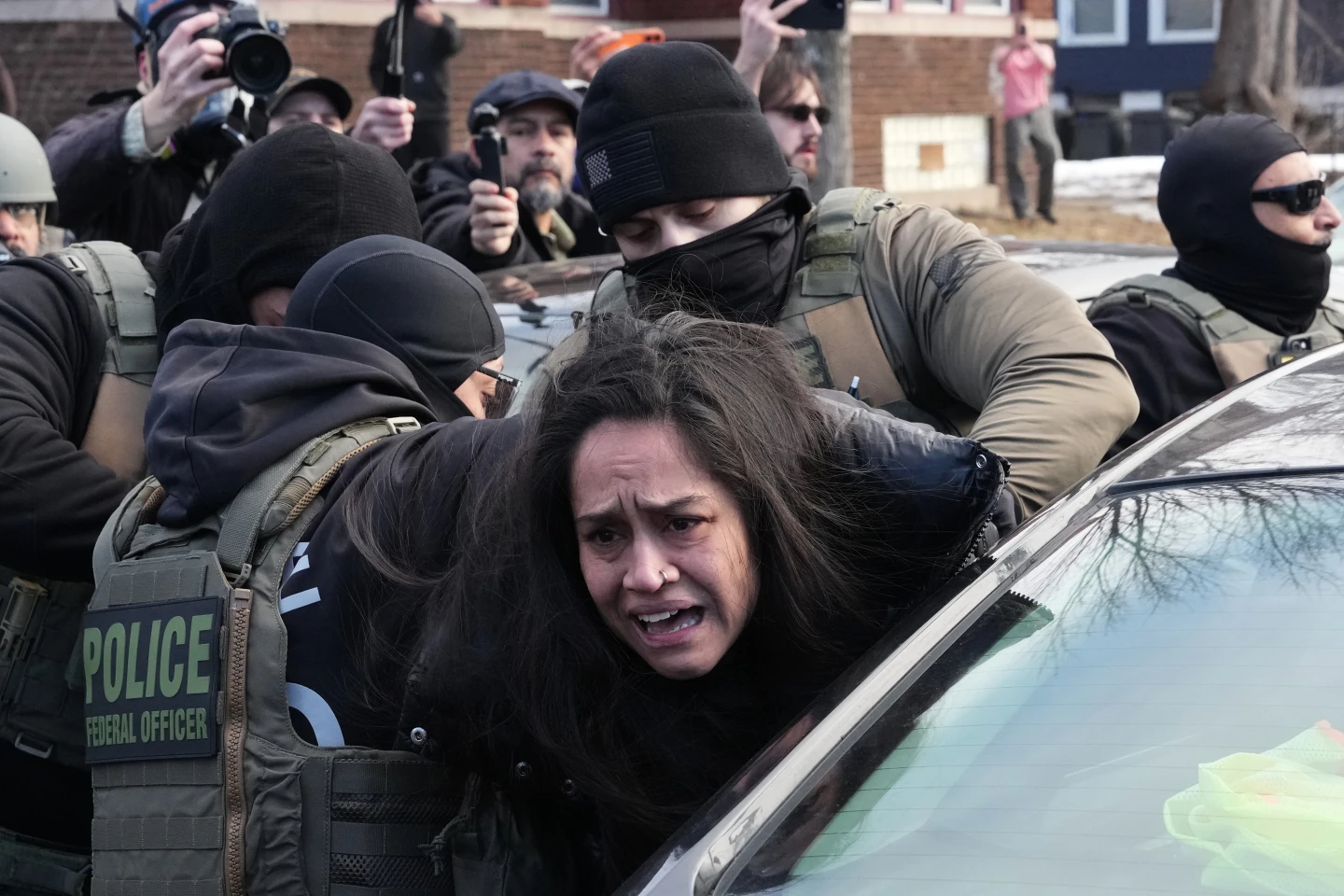
Several faith leaders have urgently called for the protection of worshippers' rights while simultaneously expressing compassion for migrants following a protest that disrupted a service at Cities Church, a Southern Baptist church in St. Paul, Minnesota. Approximately thirty-five protesters entered the church during Sunday worship, chanting slogans and drawing attention to the recent shooting of a woman by ICE agents during an immigration enforcement operation.
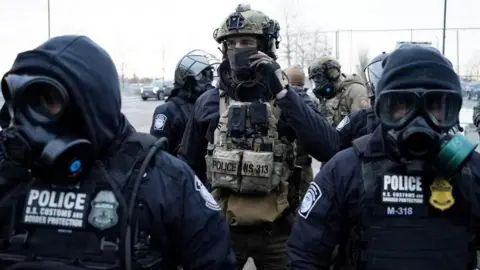
One of the church’s pastors, David Easterwood, heads the local field office for Immigration and Customs Enforcement (ICE). The Minnesota-Wisconsin Baptist Convention described the event as 'an unacceptable trauma,' emphasizing the need for churches to provide pastoral care to migrant families.
Trey Turner, a leader within the convention, commented, 'We must be resolute in two areas: encouraging our churches to provide compassionate pastoral care to these families and standing firm for the sanctity of our houses of worship.'
The chaos caused by the protest was significant enough that church services had to be halted prematurely, with video evidence capturing the confrontation, which saw activists shouting insults at families and children in attendance.
The U.S. Department of Justice announced that it has initiated a civil rights investigation into the incident, with implications reflecting the increased tensions surrounding federal immigration policies and community responses. Kevin Ezell, president of the North American Mission Board, condemned the disruption, stressing that 'no cause justifies the desecration of a sacred space.' He pledged support for Jonathan Parnell, the pastor presiding over the disrupted service.
Christian voters and leaders across the U.S. exhibit divergent views regarding immigration, leading to varying responses to such protests. In recent years, political and social divisions within the Christian community have become more pronounced, revealing issues regarding the treatment of migrants and the sanctity of worship services.
The federal government has previously allowed for immigration enforcement actions within sensitive spaces, a policy that has drawn criticism and fear within faith communities. Following the disruption, calls for enhancing safety in places of worship arise, reflecting growing concerns in an escalating political climate.