President Ramaphosa Wins Court Order to Stop Impeachment Inquiry Over Farmgate Saga
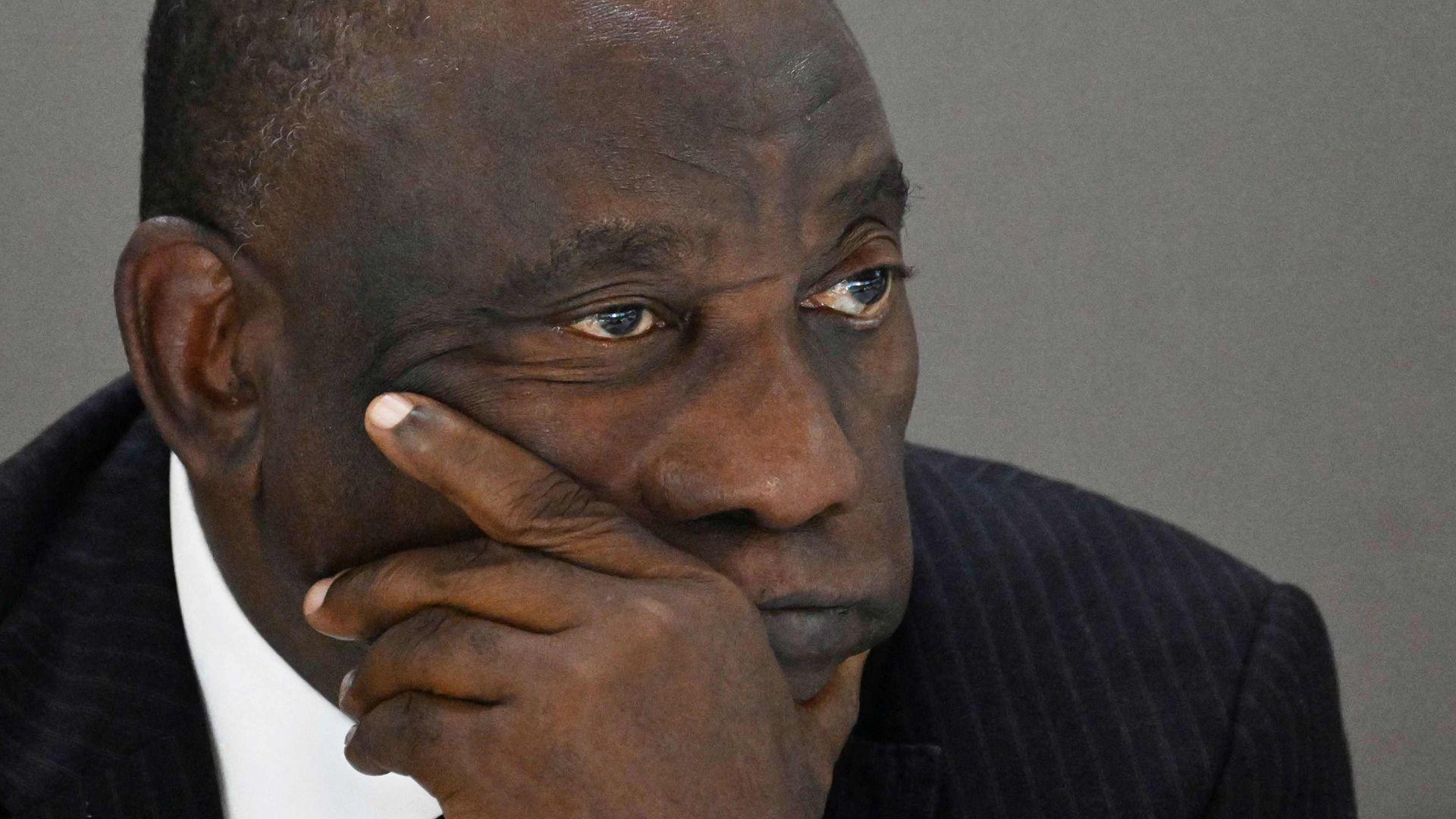
On Thursday the Western Cape superior court upheld a motion filed by President Cyril Ramaphosa that will pause the parliamentary committee due to probe the so‑called Farmgate affair – a scandal that the president has denied.
The Farmgate scandal dates back to 2020 when burglars broke into the president’s private farm in Phala Phala, Limpopo and seized at least $580,000 in US dollar bills that had been hidden in a sofa. The theft was first revealed two years later when a former spy chief sent a dossier to the police accusing the president of hiding the money from authorities.
In 2022 an independent panel reviewed the incident and suggested Ramaphosa could be subject to an impeachment inquiry. Parliament voted against starting the inquiry, but the Constitutional Court ruled in May that Parliament had acted unlawfully by shelving the panel’s report.
Ramaphosa has challenged the panel’s findings in a separate court case set to be heard in September. His legal team argues that proceeding with the impeachment committee while his case is still pending would cause irreparable reputational harm.
A three‑judge panel in the Western Cape superior court ordered that the parliamentary committee could not proceed with its hearings until the president’s case is determined. The majority judgment represents a win for the president, buying him time to defend his position.
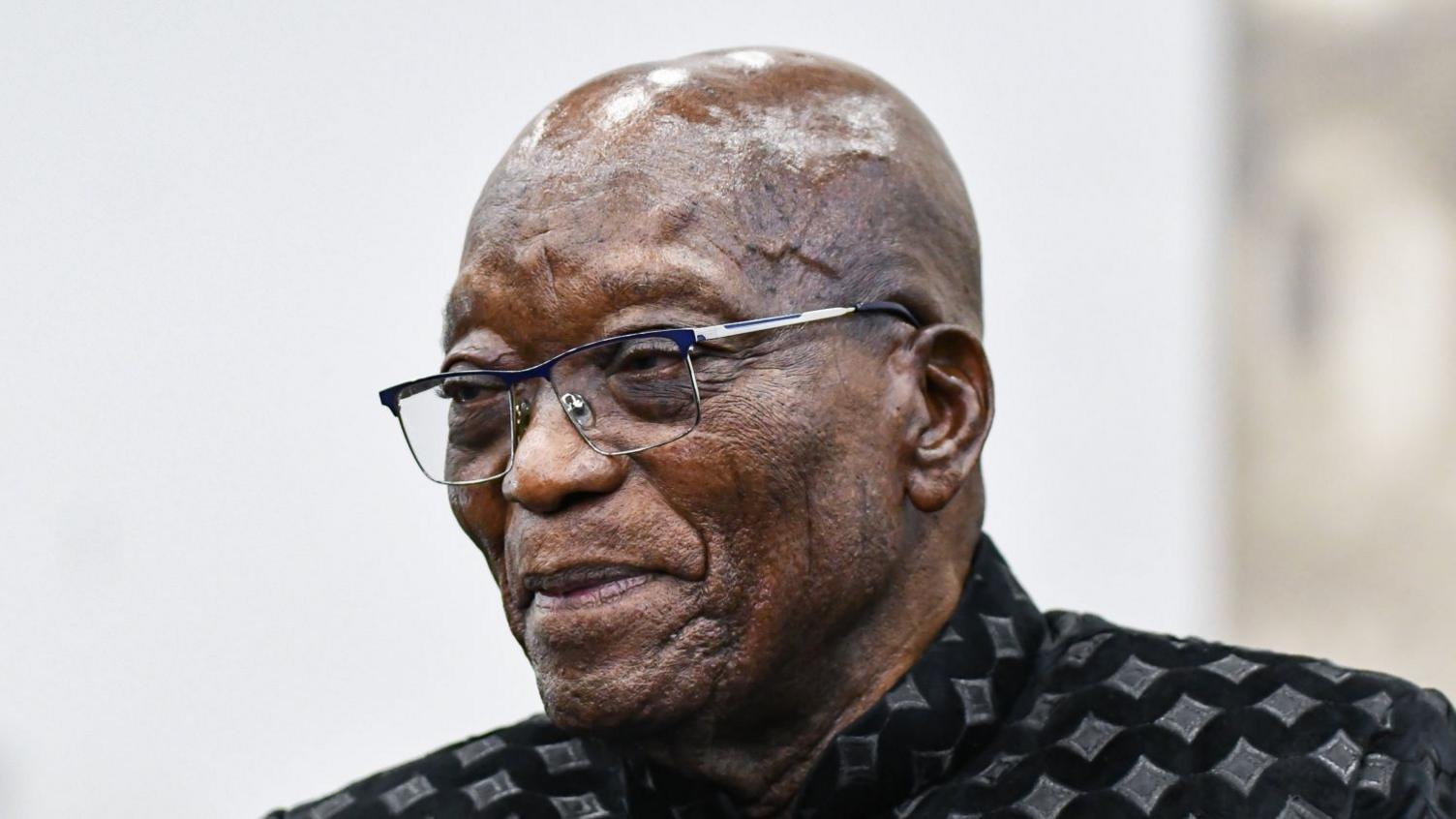
The surprise ruling has drawn mixed reactions. The Democratic Alliance, part of the governing coalition, said the decision was expected but did not stop the committee’s preparatory work. The opposition party led by former president Zuma criticised the president for using the courts to block the investigation. The African National Congress welcomed the ruling and called on parties to refrain from politically motivated distortions as the legal process unfolds.
Ramaphosa released a statement after the ruling, noting the court’s decision and expressing his respect for the judicial process. The case continues to unfold as his September court appearance approaches, and the political implications remain a focal point in South Africa’s press and public debate.