In brief
Poland’s prosecutors have sent an 18‑year‑old Ukrainian man to court on charges of sabotage carried out under the direction of Russian intelligence. The alleged acts included vandalising memorials dedicated to Polish victims of the WWII UPA killings and planning a drone attack on the Polish president’s car. Prosecutors claim the teenager acted mainly for financial gain but the acts served foreign intelligence interests. The case highlights the fraught history of Polish‑Ukrainian relations and the continuing shadow of the Volyhnia massacre.
Poland’s justice system has placed an 18‑year‑old Ukrainian man on trial after authorities say he carried out sabotage acts on behalf of Russian intelligence, aimed at stirring ethnic tensions between Poland and Ukraine.
Illia K, the suspect’s name held to a privacy rule, faces 47 counts of criminal activity spanning from November 2024 to August 2025, the period just before his arrest. Prosecutors say his alleged sabotage included desecrating memorials dedicated to Polish victims of the UPA—an insurgent group that killed tens of thousands of Poles during the Volyhnia massacre of World War II.
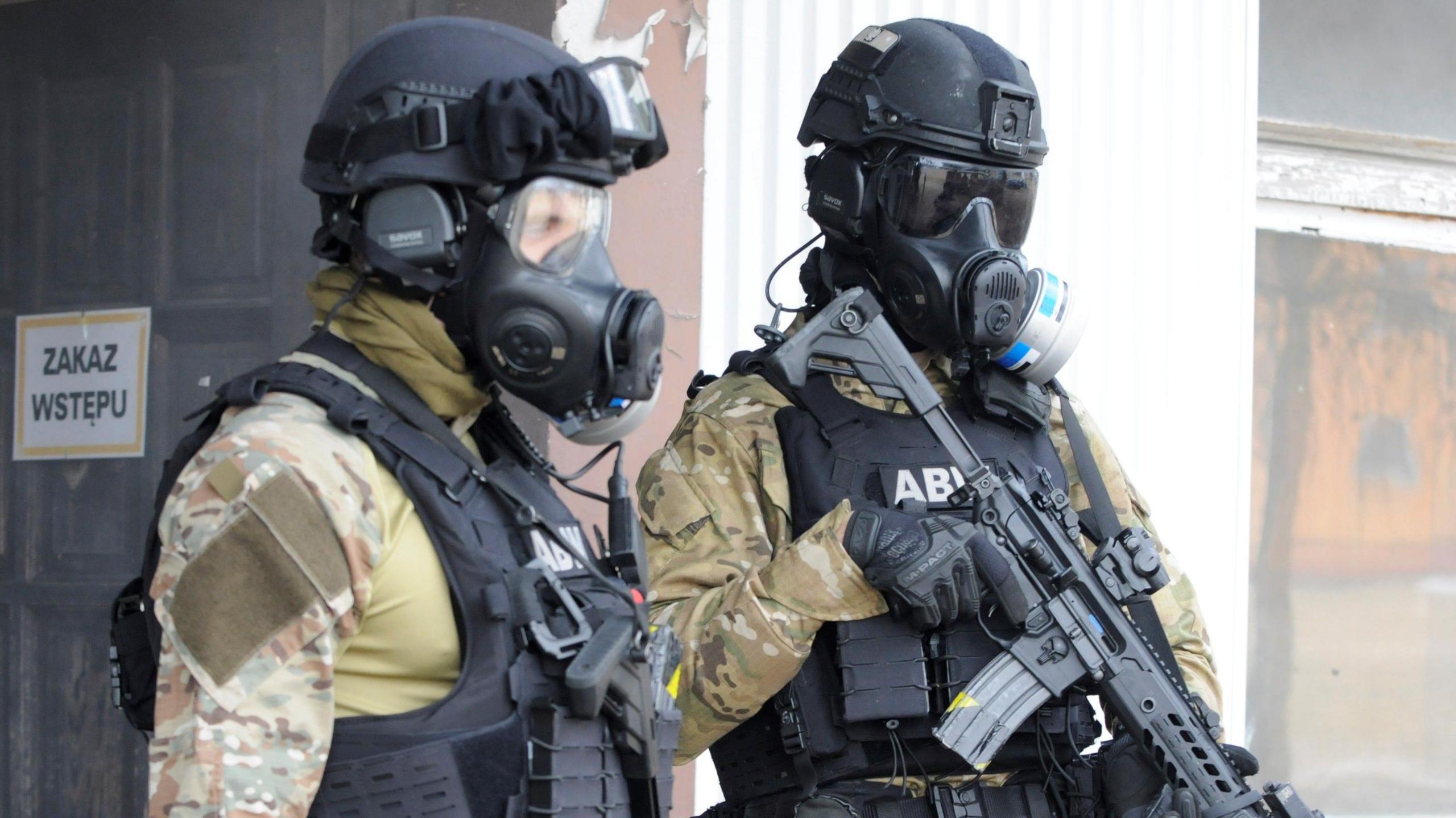
The Internal Security Agency (ABW) warned that the motive was to inflame ethnic conflict between the neighbours. While the teen “acted for financial reasons,” prosecutors argue the bulk of the acts benefited a foreign intelligence service.
ABW reports that last year’s 48 espionage investigations—more than double the previous year—focused on Russian efforts to destabilise Poland by monetising historical ethnic divisions, especially the Polish‑Ukrainian issue.
Among the accusations, investigators say Illia K planned to fly a drone over President Karol Nawrocki’s vehicle during Poland’s Armed Forces’ Day parade in Warsaw on 15 August. He was detained three days before the event.
Funding for the criminal plan came through Russian‑ and China‑registered cryptocurrencies, ABW said. The suspect also allegedly recruited others via a messaging platform, who were paid to execute the tasks and sent back photographic evidence.
The alleged vandalism extended beyond the presidential car: the crime‑laden teen reportedly defaced the Monument to the Jewish Heroes of the Warsaw Ghetto and memorials to Polish victims of the Volyhnia massacre in Domostawa and Wrocław, adding inscriptions glorifying the UPA. The massacred minority of Polish inhabitants in what is now Western Ukraine numbered about 100,000 between 1943 and 1945.
For Poles the UPA are seen as a criminal entity responsible for mass killings, whereas Ukrainians often view them as heroes who fought the Soviet occupation after WWII—a narrative that has fueled bilateral tension for decades. In May, Ukrainian President Zelenskynal issued a decree naming a new military unit after the “heroes of the UPA,” provoking a decision by President Nawrocki to revoke the Order of the White Eagle from Zelensky, the highest Polish state honour.
Polish experts note that public knowledge of the UPA’s wartime activities is limited, while Ukrainian society largely concentrates on their post‑1945 anti‑Soviet role.