In brief
In Moscow, citizens face an unprecedented fuel shortage as Ukrainian drone strikes hit oil refineries, leaving long queues at petrol stations and forcing the government to release lower‑grade fuel. While the crisis disrupts everyday transport, the state runs patriotic events on Flag Day to rally spirit amid economic strain. Interviews with locals reveal growing anxiety, yet the nation still proudly displays flag banners and celebrates military exhibitions, underscoring the divide between the state’s propaganda and the public’s real‑world challenges. The rising anxiety is highlighted by voices of ordinary residents who describe wartime uncertainty and discomfort. As the crisis deepens, Russian society is forced to choose between survival at the pump and the need to maintain morale.
By Steve Rosenberg, BBC Russia editor – Moscow, 21 August 2026
At a petrol station in the south‑east of Moscow, Svyatoslav has been waiting in his car for two hours. The sign board ahead now reads “No fuel,” yet he hopes an arrival tomorrow.
Long queues are spreading across Moscow and other parts of Russia: “Unscheduled repairs at oil refineries” blamed on Ukrainian drone attacks are crippling production, forcing the government to allow the production of lower‑grade Euro 2 petrol.
While citizens struggle to find enough petrol for their vehicles, the state is busy staging patriotic celebrations for Russian Flag Day that effectively hide the economic hardship. Giant billboards proclaim “Long live the flag!” beside lines of 80 cars waiting.
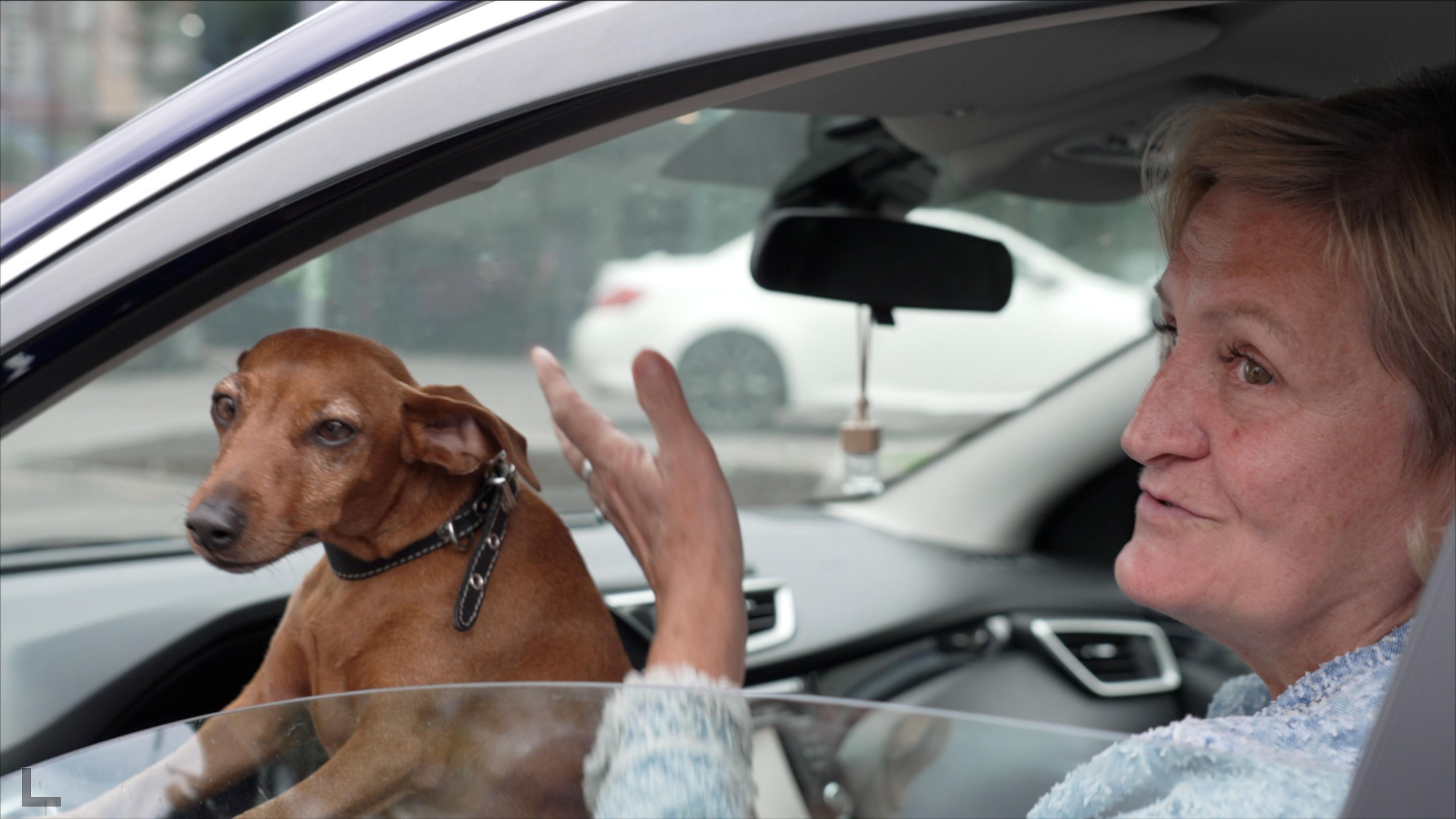
A video shows a dog owner, Lyubov, stroking her pet Agatha in the car to stay calm in the queue.
The crisis also hits domestic distribution: stray drone strikes on Wildberries warehouses disrupt e‑commerce deliveries and raise consumer prices.
President Putin acknowledged the impact on infrastructure but downplayed the significance, telling the nation to remain calm.
Not least, patriotic rallies on the square offer candyfloss and an array of military hardware – hand‑held rocket launchers – to children, underscoring a growing militarisation of Russian social life.
“Difficulties unite us,” a local pensioner told me. “The harder things are, the stronger we get.” Yet many express deep anxiety, feeling powerless to influence the war and its domestic fallout.
The dual reality – a fuel crisis that forces citizens to queue, and a patriotic front that tries to rally morale – paints a stark portrait of Russia in 2026.