In brief
Inside a quiet Georgian desert, a Russian named Ivan handed a journalist a video of a hidden drone cache, saying it came from Ukraine’s GUR. Ivan claims to have mapped strategic bomber crews and military warehouses to help plan drone strikes that could destroy millions of dollars’ worth of equipment. “Foma”, another insider from Polish exile, runs volunteers who gather dossiers on Russian officers and supplied intel for the killing of Lt‑Gen Sarvarov. While neither admits to carrying out attacks, the Ukrainian GUR confirms they use such intel in coordinated strikes—though full details remain secret. The men’s operations, steeped in risk and secrecy, reveal a hidden war inside Russia that may eventually shift the balance against Putin’s regime.
Inside a quiet Georgian desert, a Russian named Ivan handed a journalist a video of a hidden drone cache next to a Russian airfield. He says the file came from his Ukrainian handlers in the GUR, the military intelligence arm that coordinates covert operations.
Ivan claims he has watched and recorded the movements of strategic bomber crews, military warehouses, and support facilities across Russia. The footage is intended for drone strikes that could destroy metres‑wide targets worth millions of dollars and advance a larger strategy of pressure on President Vladimir Putin’s regime.
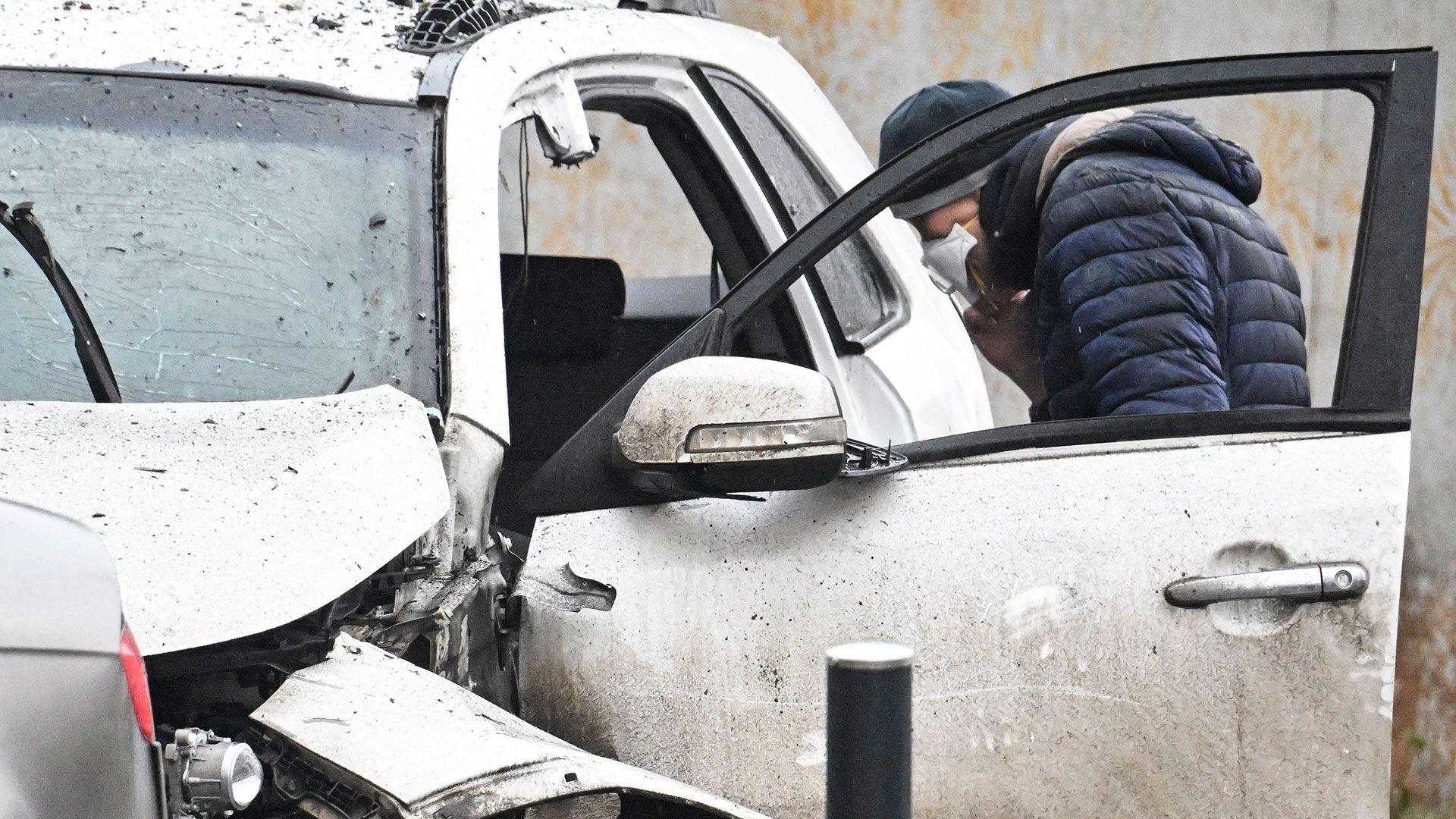
The second insider, “Foma”, operates from exile in Poland but runs a network of volunteers on the inside. He trains them in Russia on how to track officers, capture photographs, and compile dossiers – a process he says is critical when his team supplies intelligence for a Ukrainian target list. After the assassination of Lieutenant‑General Fanil Sarvarov, he told the journalist he had monitored the general’s movements in the weeks leading to the explosion.
Neither Ivan nor Foma admits to carrying out the attacks themselves. Foma emphasises that he “passes on the intel”; his volunteers are believed to be a handful of 300–500 people operating separately during the war. Ivan stresses that his operations are designed to avoid civilian casualties – a point also echoed by the GUR, which confirms his involvement yet refuses to disclose full details.
The GUR’s secrecy means investigators cannot confirm the exact reach of these insiders. But Ukrainian statements match their accounts: coordinated drone attacks, covert agents and plaza‑level assassination of high‑profile commanders. For Ivan, the biggest risk was in a city where a stop‑check found hand‑made explosives in his car, yet he escaped detection and is still able to move freely.
The Kremlin’s counter‑intelligence has yet to pin down the men’s full network. The alleged insiders warn that anyone gathering in a public chat or leaving an online footprint risks discovery. While their identities remain hidden, their actions reveal a hidden war inside Russia that may change one day – and possibly hasten the fall of the current regime.