In brief
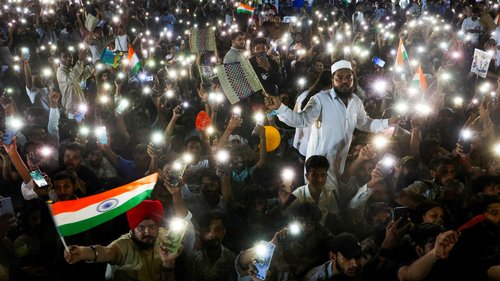
In a stark display of dissent, Indian opposition leaders converged on the Supreme Court in Delhi to demand the resignation of Chief Election Commissioner Gyanesh Kumar. Claims that the voter rolls have been altered to favor Prime Minister Narendra Modi’s BJP were rejected by the Election Commission, sparking the protest. Thousands of demonstrators faced heavy security deployment and road closures; some were detained by police and journalists reported violence against protesters. Rahul Gandhi and other Congress leaders urged the broader opposition and civic groups to join the march. The incident has drawn condemnation from media freedom advocates, while the BJP accuses the opposition of destabilising the nation.
Opposition march on Delhi Supreme Court over voter roll claims
Opposition parties led a sizeable march in the capital’s capital city on Monday, calling for the resignation of Chief Election Commissioner Gyanesh Kumar after accusations that the voter list had been manipulated to benefit Prime Minister Narendra Modi’s Bharatiya Janata Party. The demonstration comes amid a broader protest flag‑rantly denied by the Election Commission and the ruling party.
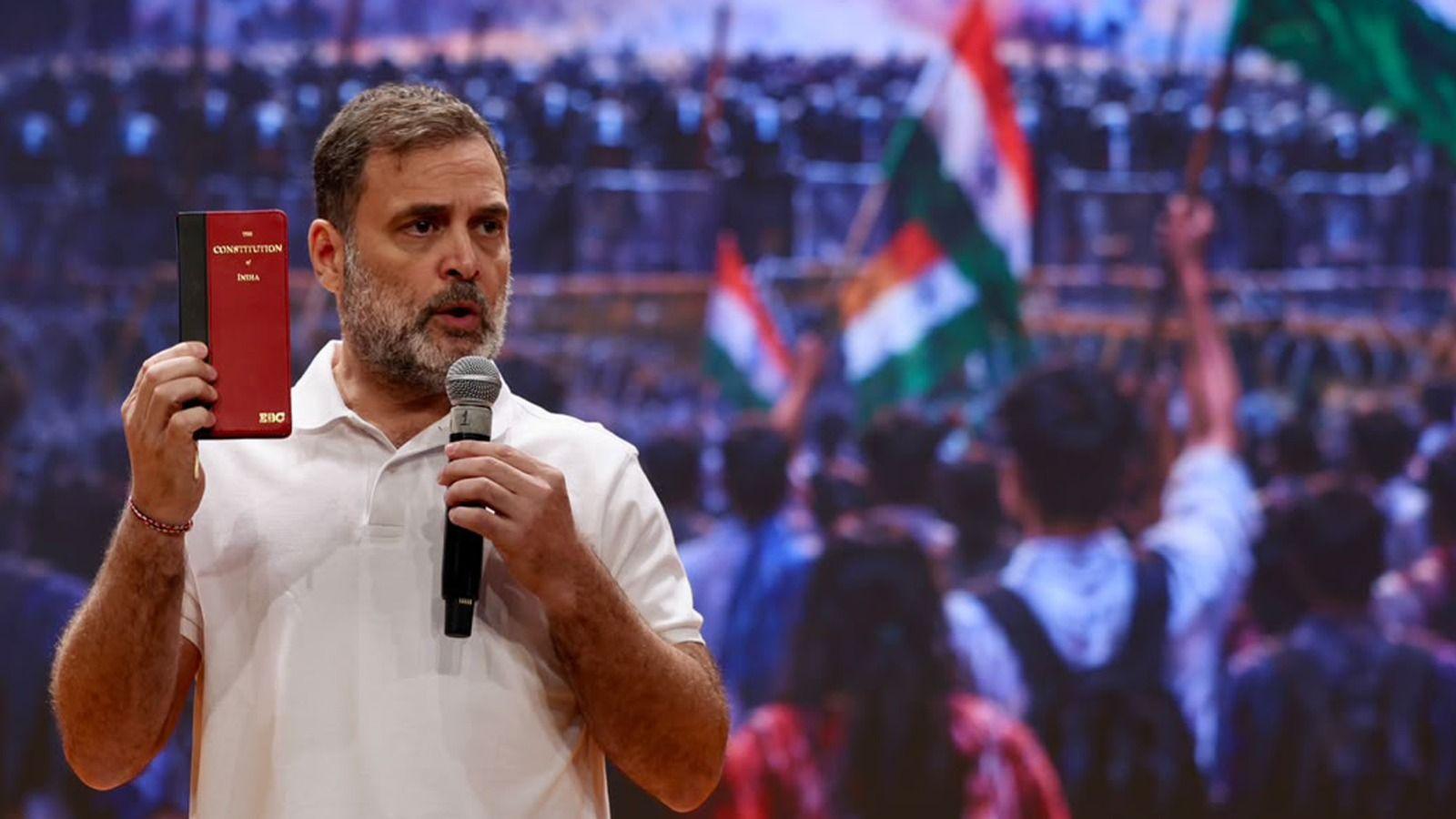
The march began on Barakhamba Road where a bus carrying Rahul Gandhi and other senior leaders approached the Supreme Court. Behind the MP were supporters waving flags and chanting his name, while a left‑wing activist sat within the vehicle. The protest was pre‑empted by heavy security, with traffic networks and several metro stations shut down to block access.
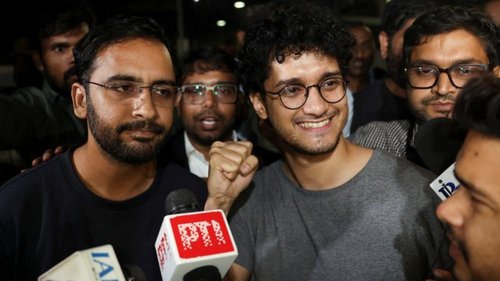
Authorities on the scene detained thousands of protesters, including journalists, and released them only the following day. Video footage shows police dragging and pushing demonstrators into buses, with an officer purportedly slapping a detained participant. Reporters Without Borders condemned the detention of at least 16 Indian journalists in a statement published after the scene.
Opposition leaders claim that Kumar’s conduct caused unjustized alterations in the electoral register and that the Supreme Court’s involvement is necessary. Supreme Court Chief Justice Surya Kant declined a meeting with the legislators, citing that some issues were already pending before the court, but assured that the court would heed concerns from “every Indian citizen”.
Rahul Gandhi urged civil society groups and other opposition parties to join the march and expressed frustration over the response of police who used force against peaceful protesters. BJP President Nitin Nabin accused the opposition and the coalition of being influenced by “foreign forces” and said they were intent on destabilising India. The protests, which also feature the core CJP group led by Abhijeet Dipke, signaled a growing discontent with the current election administration and signal a potential rise in political unrest.