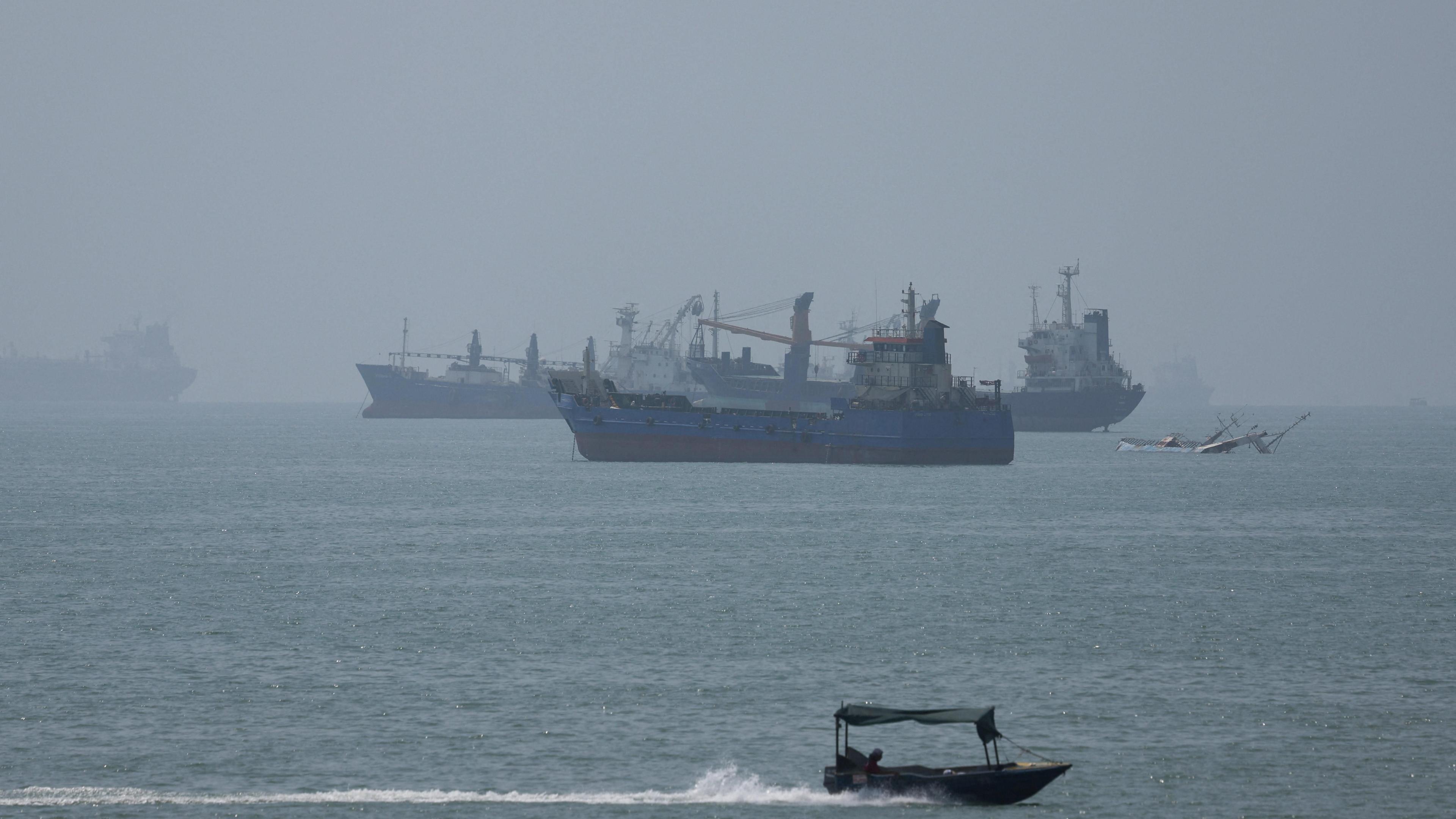
Source says Brent crude has risen more than 6% to $100.57 a barrel, the first time since May. The spike fired by threats to global shipping links conflict in the Middle East to consumer costs worldwide.
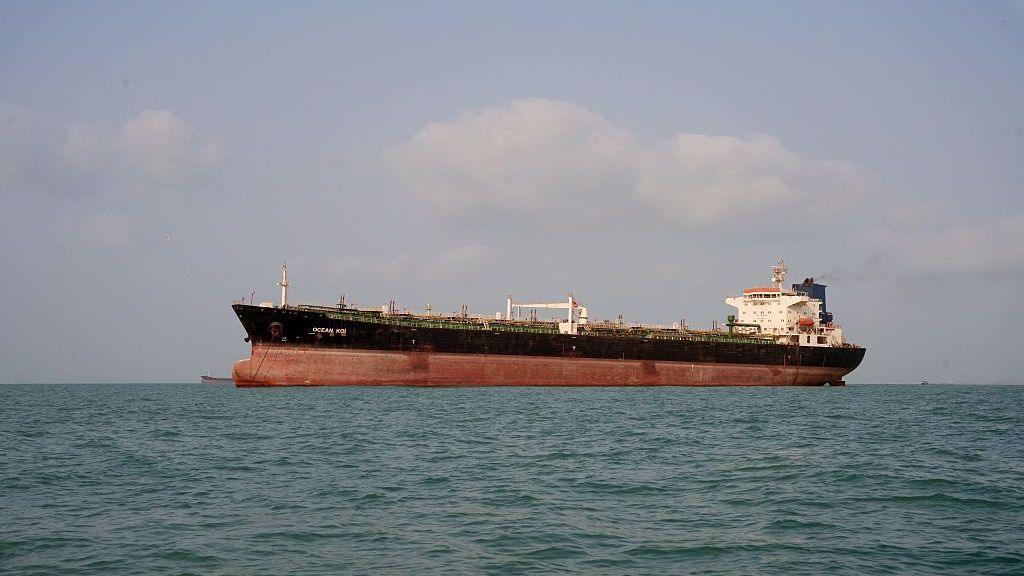
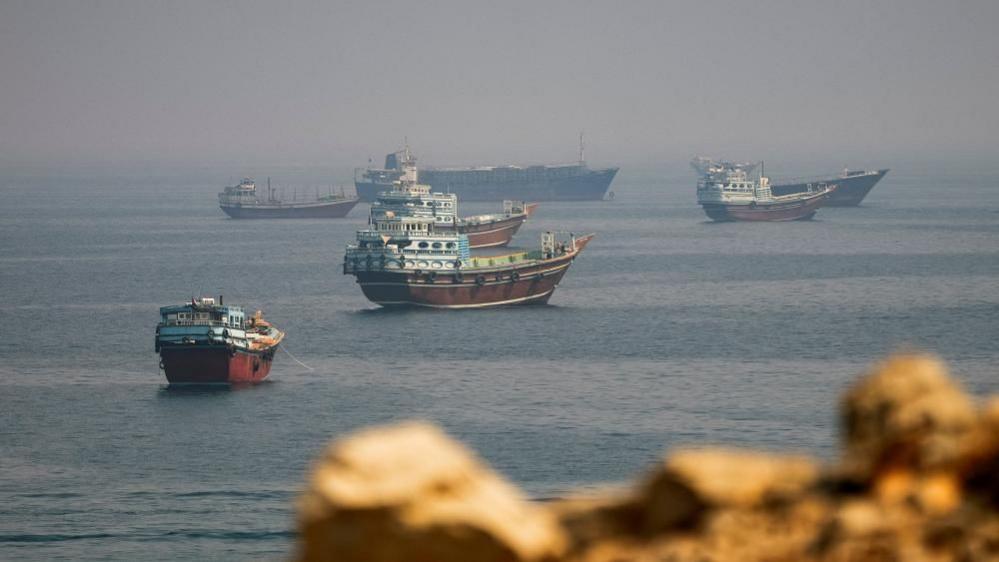
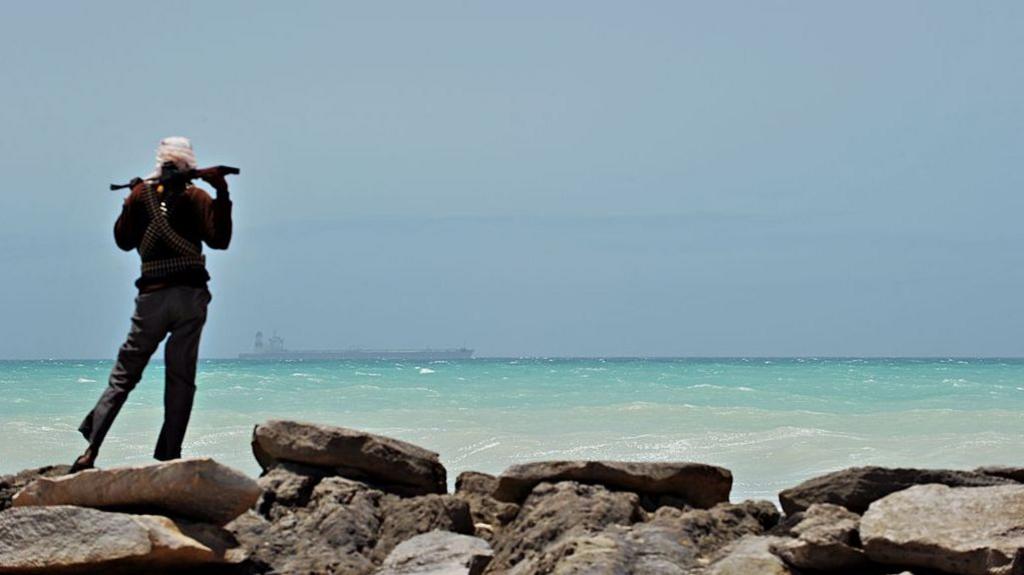
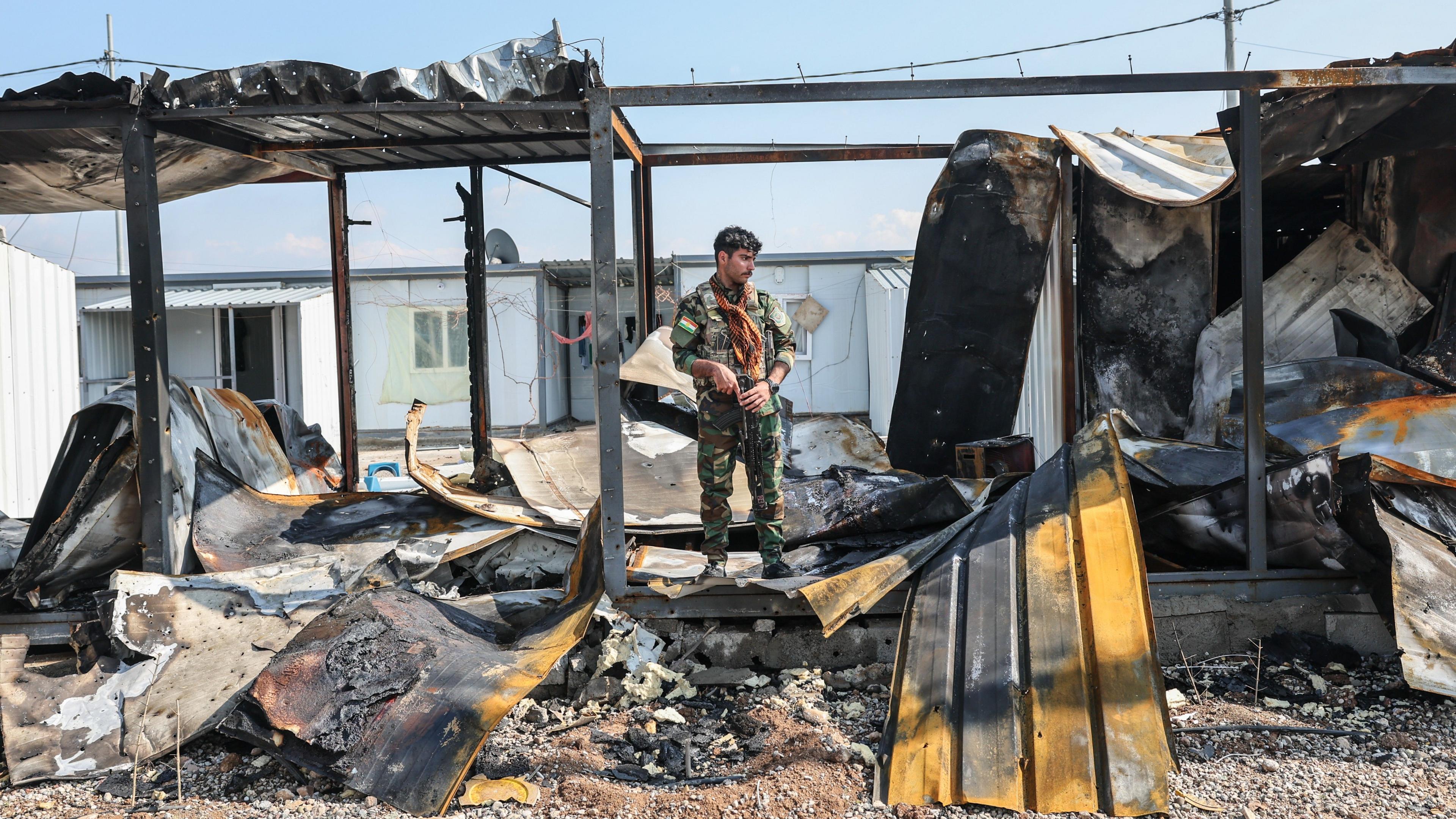
The rise followed a string of Houthi‑led attacks on oil tankers in the Red Sea and U.S. military action against Iran, after a brief ceasefire collapsed. The Red Sea’s critical shipping lane bypasses the Strait of Hormuz, a choke point that can bottleneck energy transport.
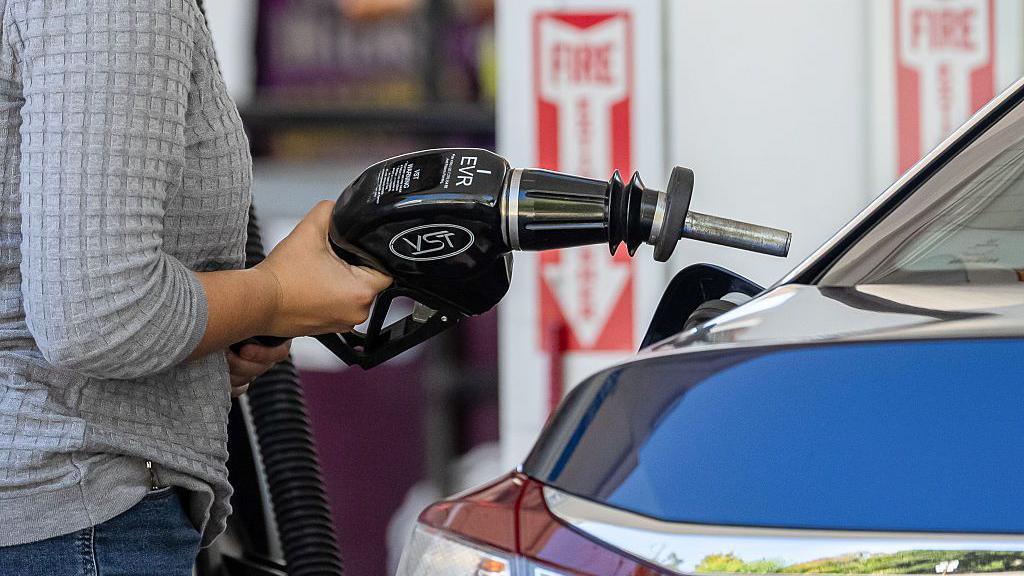
Fuel prices have steadily climbed, with UK petrol currently near £1.56 per litre and diesel at £1.72. U.S. gas averages now over $4 a gallon, up from $3.92 a month earlier – signals of broader inflationary pressure.
Inflation numbers reflect this. UK inflation slipped to 2.6% and U.S. to 3.5%. Yet analysts warn the slowdown could prove brief amid the renewed Middle Eastern conflict.
Higher oil costs push petrol and diesel higher, and businesses often transfer added transportation expenses to consumers. Food, clothing and other goods can see price tags rise as a ripple effect.
Central banks are pressured to keep interest rates high. The Bank of England has held rates at 3.75% and will likely stay there until energy prices ease. U.S. Federal Reserve Chair Kevin Warsh emphasised that persistently high inflation will not be tolerated, hinting at continued elevation of borrowing costs.
For consumers, the double life‑saving problem means higher transportation fees, higher groceries, and potentially higher mortgage payments if rates remain elevated. Meanwhile, governments face the challenge of balancing economic growth against the backdrop of volatile energy markets.