In brief
Six months after Hurricane Beryl devastated Barbados's fishing industry, fishermen grapple with damaged vessels, climate change challenges, and the search for sustainable recovery.
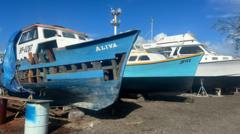
The temporary boatyard in Bridgetown stands as a stark reminder of the severe toll Hurricane Beryl took on Barbados in July. Vessels lie in disrepair, many with gaping holes and broken rudders, marking the widespread destruction. While some boats await repair, others have sunk, resulting in the loss of family incomes.When Hurricane Beryl struck, it wreaked havoc on the fishing fleet within hours, damaging about 75% of active boats and completely destroying 88. Charles Carter, who owns the Joyce, is one of the countless fishermen affected. "It's been real bad," he recounts while showing off his restored vessel, which took months and considerable financial effort to repair. "Fishing is all I do," he emphasizes, highlighting the struggle for livelihood in the wake of disaster.As six months have passed, there are signs of recovery, evidenced by repaired boats returning to the sea with governmental assistance. However, Barbadians remain acutely aware of the shifting climate and its implications for future storms, especially with Hurricane Beryl being noted as the earliest-forming Category 5 storm on record.Dr. Shelly Ann Cox, Barbados's Chief Fisheries Officer, notes alterations in sea conditions and challenges in capturing flying fish, a national culinary staple. At the Oistins Fish Market, while some fish are still available, many stalls remain closed due to diminished stocks.Cornelius Carrington, a local fishmonger, lost a boat in the storm. He acknowledges that hurricanes from the south, as with Beryl, break previous norms, and suggests climate change does indeed play a role. The tourism sector is feeling the pinch too, facing fish supply shortages.Dr. Cox emphasizes the necessity of public education regarding climate change impacts. Young Barbadians are increasingly aware and passionate about environmental issues. This sentiment was reflected during a discussion at Harrison College, where students voiced a mix of pessimism and hope about their nation's future amidst climate crises.Prime Minister Mia Mottley has become an outspoken advocate for the Caribbean's climate struggles, urging developed nations to take accountability during speeches at global summits. Rising sea levels and severe storms have engendered an atmosphere of urgency.Fishing veteran Steven Bourne laments how the shoreline has altered dramatically over the decades and how these new weather patterns have altered fishermen's lives. Minister of Home Affairs Wilfred Abrahams notes the growing frequency and intensity of these storms, emphasizing the need for a new approach to disaster management in the region.As the island rebuilds, locals like Bourne remain committed to their home, embodying resilience despite the challenges posed by climate change and an uncertain future for the fishing industry. “We love this rock. And we will always be on this rock.”