In brief
The Nepalese government declared a day of mourning this week for the victims of a flash flood that killed more than 1,200 people and left over 5,000 missing. Flags ran at half mast and candles lit Negras’ Hanuman‑mirror streets, while rescue teams continue to comb muddy rivers and collapsed homes in the Nuwakot district. The flood, thought to stem from a sudden glacial collapse, ripped across a remote valley with hydropower tunnels lying beneath bodies of water. Despite grim numbers, the story of a 64‑year‑old woman sheared from mud‑buried home and hundreds rescued from tunnels gives hope amid dark loss.
National Day of Mourning in Nepal
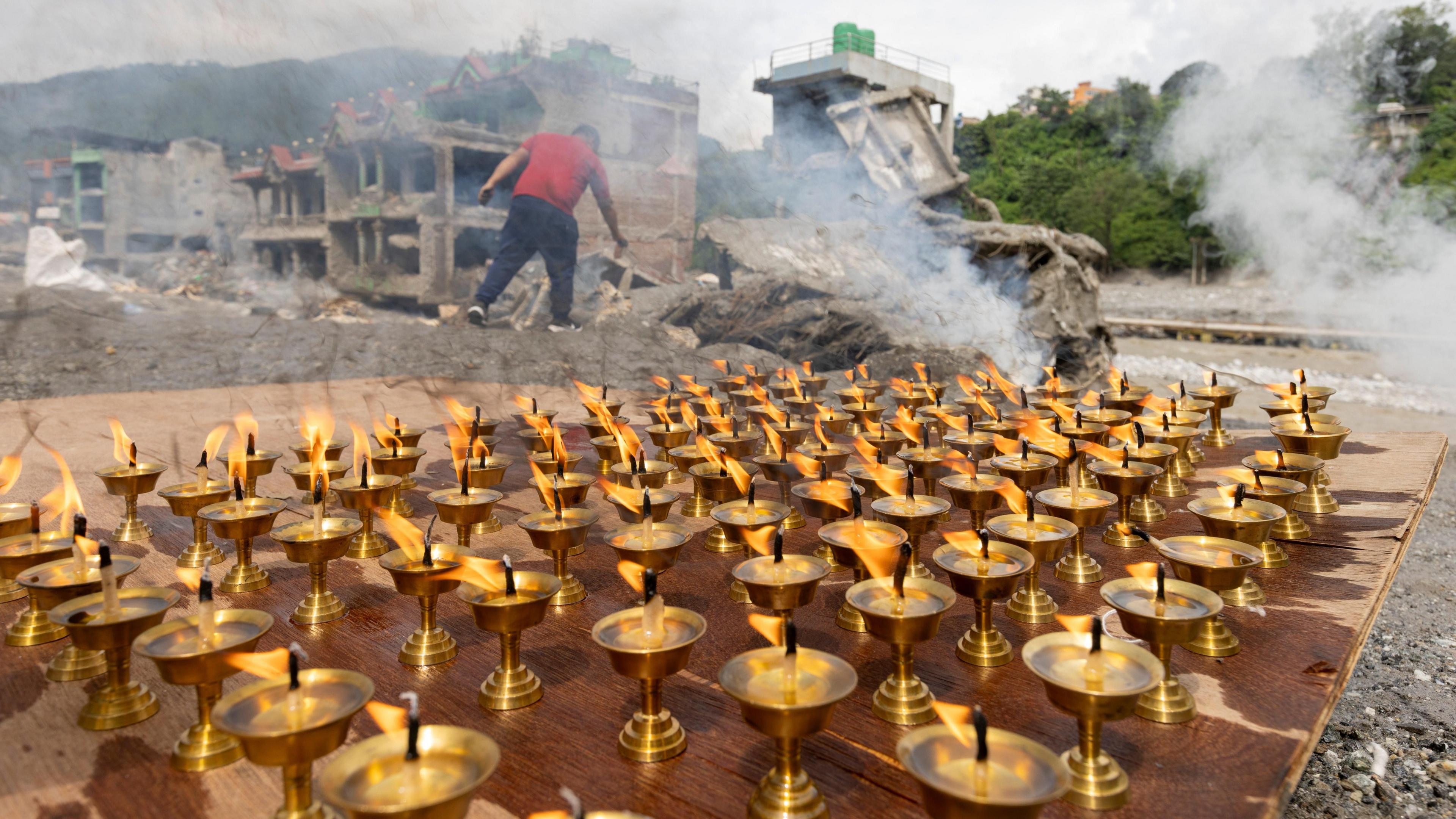
For eight days, Nepali dharmic communities lit candles and offered prayers to honor the victims of a flash flood that mangled a valley on the Nepal‑Tibet frontier.
On Monday, flags across the country ran at half‑mast while rescue teams continued to scour rivers and caves for survivors. The morning‑time vigils were cut back – but night‑time candlelight vigils were held at community centers, temples and even government buildings.
The disaster – believed to have been triggered by a sudden collapse of a glacier – destroyed infrastructure and claimed at least 1,287 lives; more than 5,000 people remain missing, most of them in the fragile tunnel‑systems that feed local hydropower plants.
Army spokesman Raja Ram Basnet confirmed that search crews are working “with the same tempo we had on day one.” They pursue ground‑based, aerial and tunnel‑based searches as they try to secure every last life hidden beneath the flood and ice‑rock deposits.
An Australian tunnel‑rescue specialist, Arnold Dix, has helped guide Nepali crews in the complex operation. To date, four survivors have emerged – three from hydropower tunnels, one a 64‑year‑old woman rescued from a mud‑buried home after a 10‑day wait.
In nearby China, rescue teams recovered 12 bodies at the Nepal‑Tibet border using heavy equipment. 5,083 people are still missing in Nepal while China reports 31 drowned and 531 unaccounted for on its side of the valley.
President Ram Chandra Paudel toured heavily damaged villages, showing solidarity with those still left searching in the trenches of the mountains.