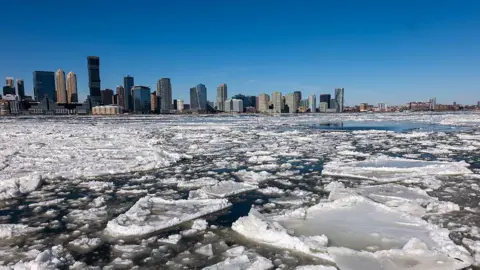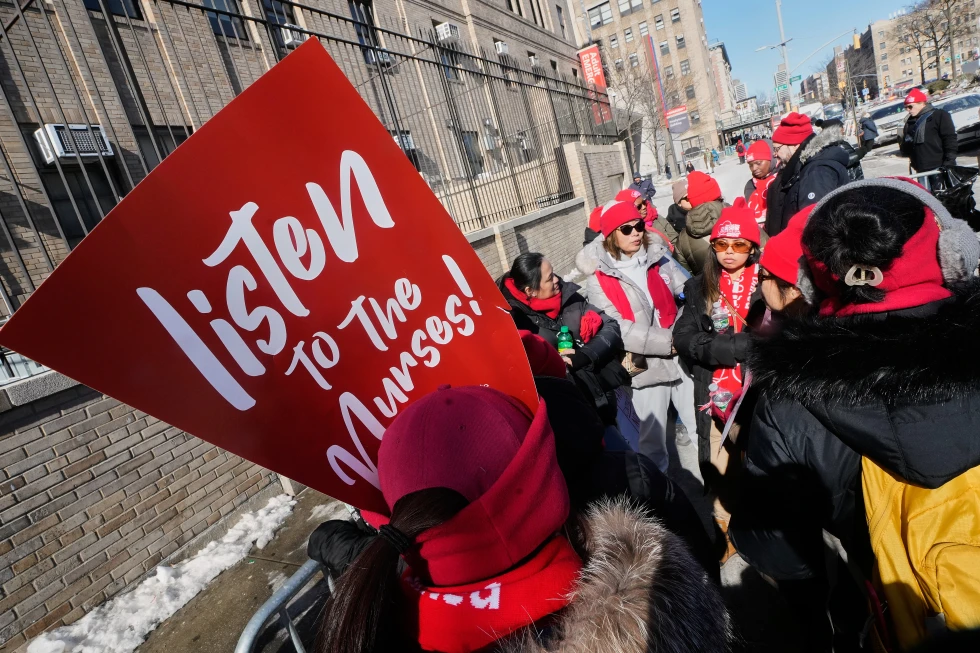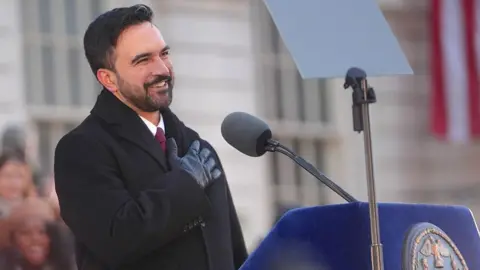
On the first freezing winter day of 2026, surrounded by thousands of cheering New Yorkers and progressive Democratic allies, New York City Mayor Zohran Mamdani pledged to tell a new story of our city.
City Hall will deliver an agenda of safety, affordability, and abundance - where government looks and lives like the people it represents, he told the crowd in his inaugural address.
It was the same message that propelled the 34-year-old Democratic socialist to an unexpected electoral victory in November. His pitch to lead the most expensive US city included big changes, such as universal childcare, free public buses and city-run grocery stores.
But the mayor is likely to encounter several challenges in trying to deliver on these promises, and he'll need to keep on board other important political stakeholders - beginning on his first full day in office.
He'll put all of his political and other might behind getting these things accomplished, said Patrick Egan, a professor of politics and public policy at New York University. But, he said, New York City is a big place, it's a complicated place, and so, all bets are off about whether these things can happen or not.
1. Paying for policy promises
Mamdani's lofty policy platform has centred on cost-of-living issues, including freezing rent hikes for subsidised housing units and providing universal free childcare.
He will be able to accomplish some of his policy goals on his own and without significant expense, government experts said. For instance, if he wants to freeze rents for subsidised housing, he can appoint people aligned with this policy on the city's rent control board.
But finding the funding to make other goals a reality when the state and city face budget shortfalls will prove complicated, government experts said.
If he wants to provide free bus service and free child care, these kinds of things cost money, said Robert Shapiro, a professor of international and public affairs at Columbia University. The big roadblock for the things he'd like to do are the state of the New York, the financial capacity of the state and the political willingness of the governor.
Mamdani has said some funding would come from new taxes. He believes taxes on the wealthy could raise as much as $9bn, with pledges to raise the corporate tax rate from 7.25% to 11.5%.
But Mamdani needs the support of the state government to make tax changes.
2. Avoiding White House intervention
For weeks leading up to the New York City mayoral election, President Donald Trump took to social media and news briefings to attack Mamdani, labeling him a communist who threatened the future of the largest US city.
Trump threatened to withhold billions of federal dollars to the city if Mamdani was elected.
The first meeting between the future mayor and the president last November proved much more amicable than expected. The two shared smiles and praise, with Trump expressing confidence in Mamdani's capabilities.
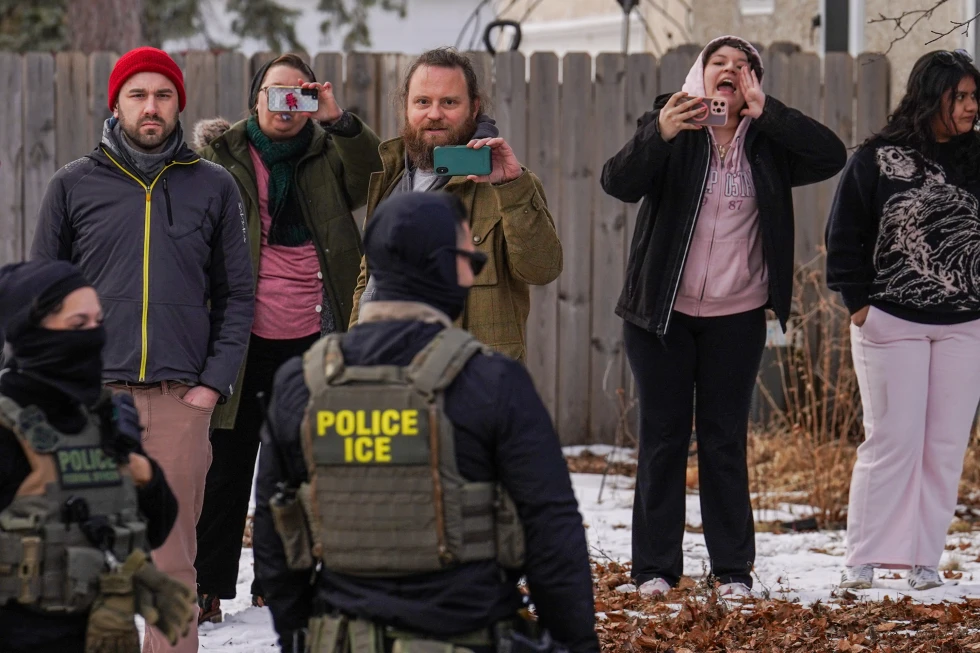
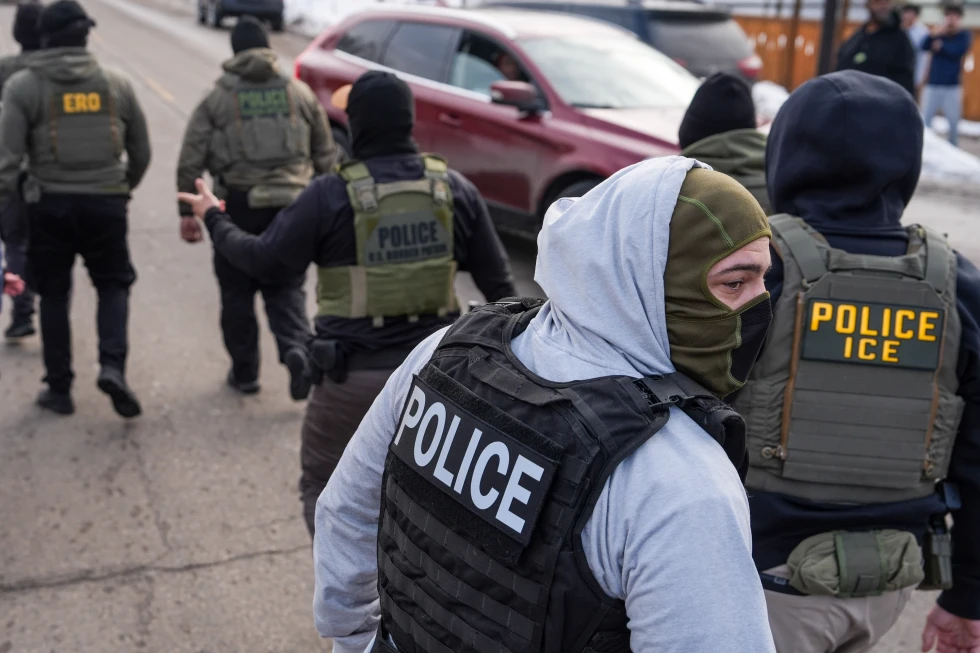
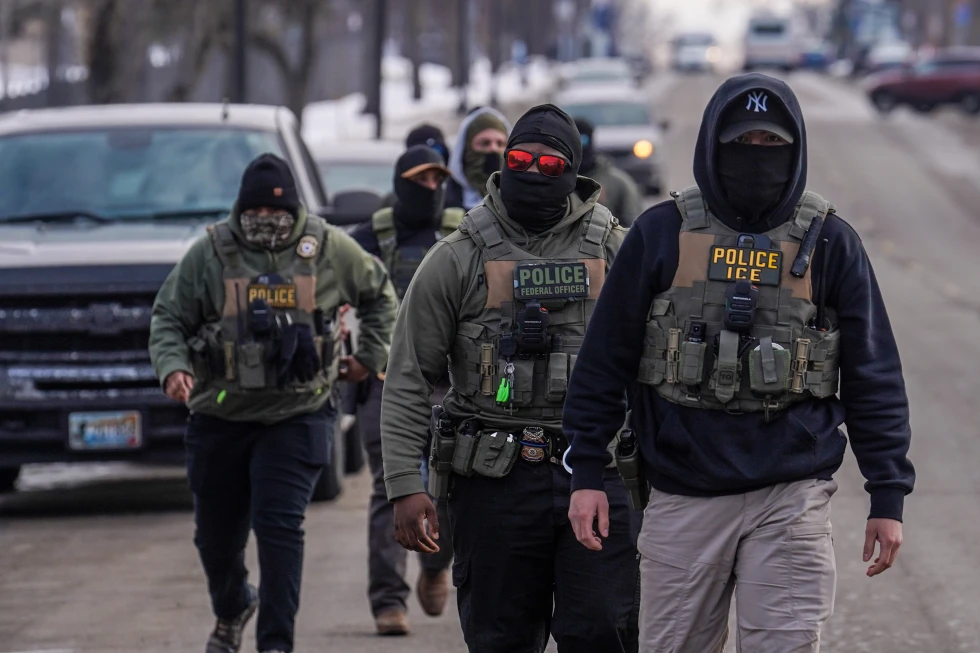
However, their opposing policy interests could lead to conflict during Mamdani's tenure, particularly regarding immigration policies.
Mamdani, for his part, vowed that New York would remain a city of immigrants, a city built by immigrants, powered by immigrants, and ... led by an immigrant.
3. Getting business leaders on board
Mamdani's victory sent ripples through the business community, with some leaders threatening to leave New York and others campaigning against him.
As Mamdani became the frontrunner, he reached out to business leaders to address their concerns, promising cooperation and support for small businesses.
Despite some initial resistance, Mamdani's willingness to engage in dialogue with key business figures, including JPMorgan Chase's CEO, marks a strategic step forward in managing these relationships.
However, skepticism remains regarding Mamdani's experience and the implications of his tax policies on the business climate.
4. Addressing public safety
Maintaining public safety is an ongoing challenge for any New York City mayor, and Mamdani is no exception.
Although crime rates fell to near-record lows in 2025, public perception of safety remains critical.
Mamdani has proposed establishing a new Department of Community Safety to enhance mental health services and provide outreach in subways, but the effectiveness of prior efforts has faced criticism.
Ultimately, public confidence in safety measures will significantly influence the success of Mamdani's broader agenda for New York City.