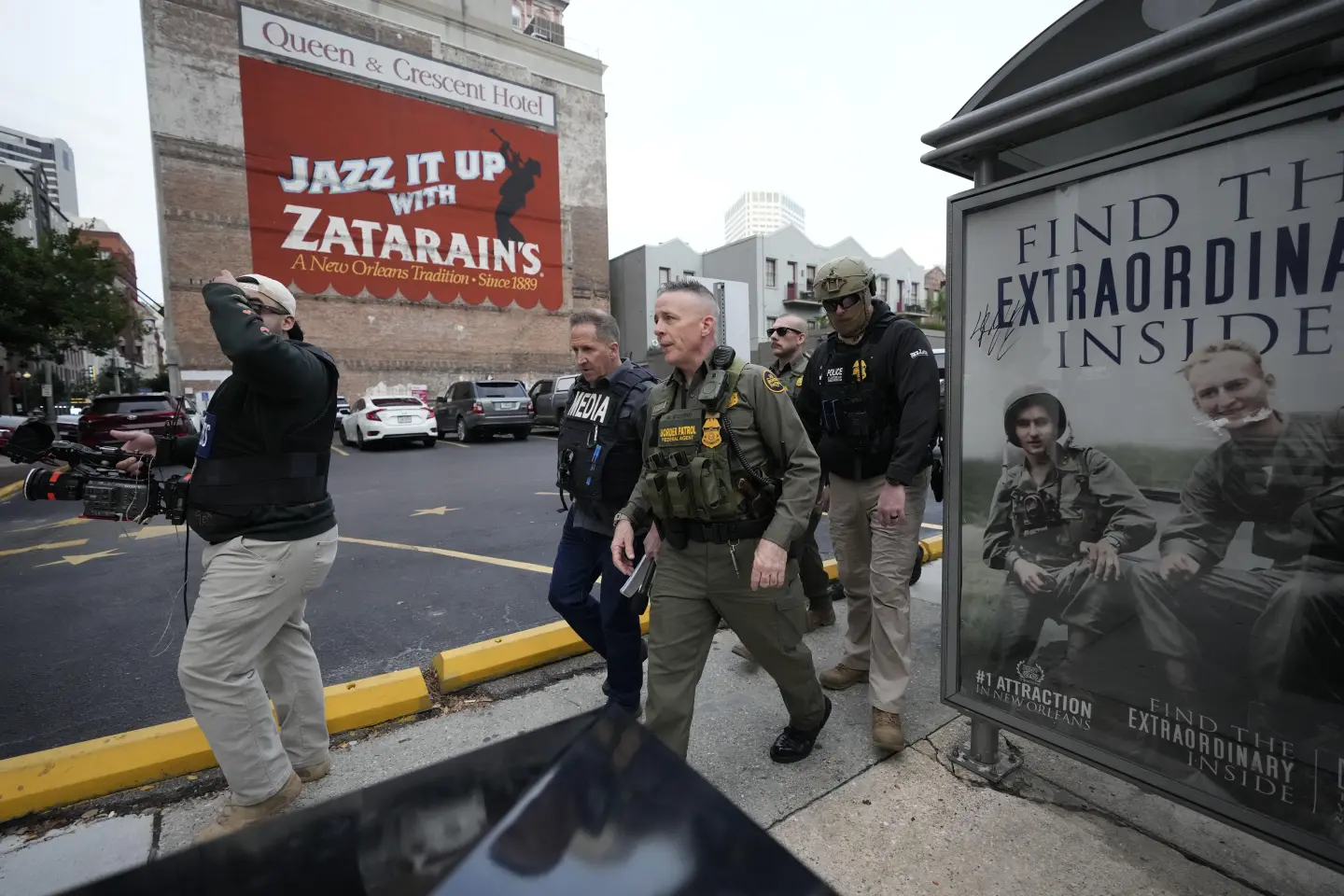
NEW ORLEANS (AP) — Trump administration officials overseeing the immigration crackdown launched this week in New Orleans aim to achieve 5,000 arrests with a focus on violent offenders, a target that some local leaders consider unrealistic. This ambitious goal exceeds the arrests made during a recent two-month enforcement blitz in Chicago, a city with a significantly larger immigrant population.
In Los Angeles, which became a battleground for President Trump’s tough immigration policies, roughly 5,000 individuals were arrested over the summer, where 10 million residents are foreign-born. New Orleans City Council President J.P. Morrell voiced concerns, stating that a sweep through New Orleans wouldn't realistically yield close to 5,000 violent offenders given the area's demographics. Census data indicates that in 2022, New Orleans had a foreign-born population of nearly 100,000, with around 60% not being U.S. citizens. Morrell noted the negligible rate of violent crime associated with illegal immigrants compared to the city's historic lows.
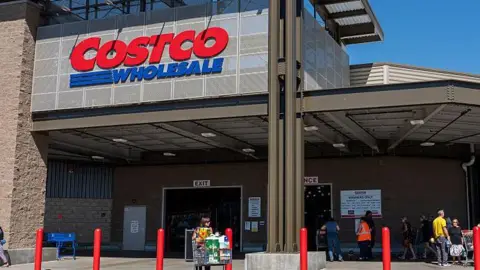
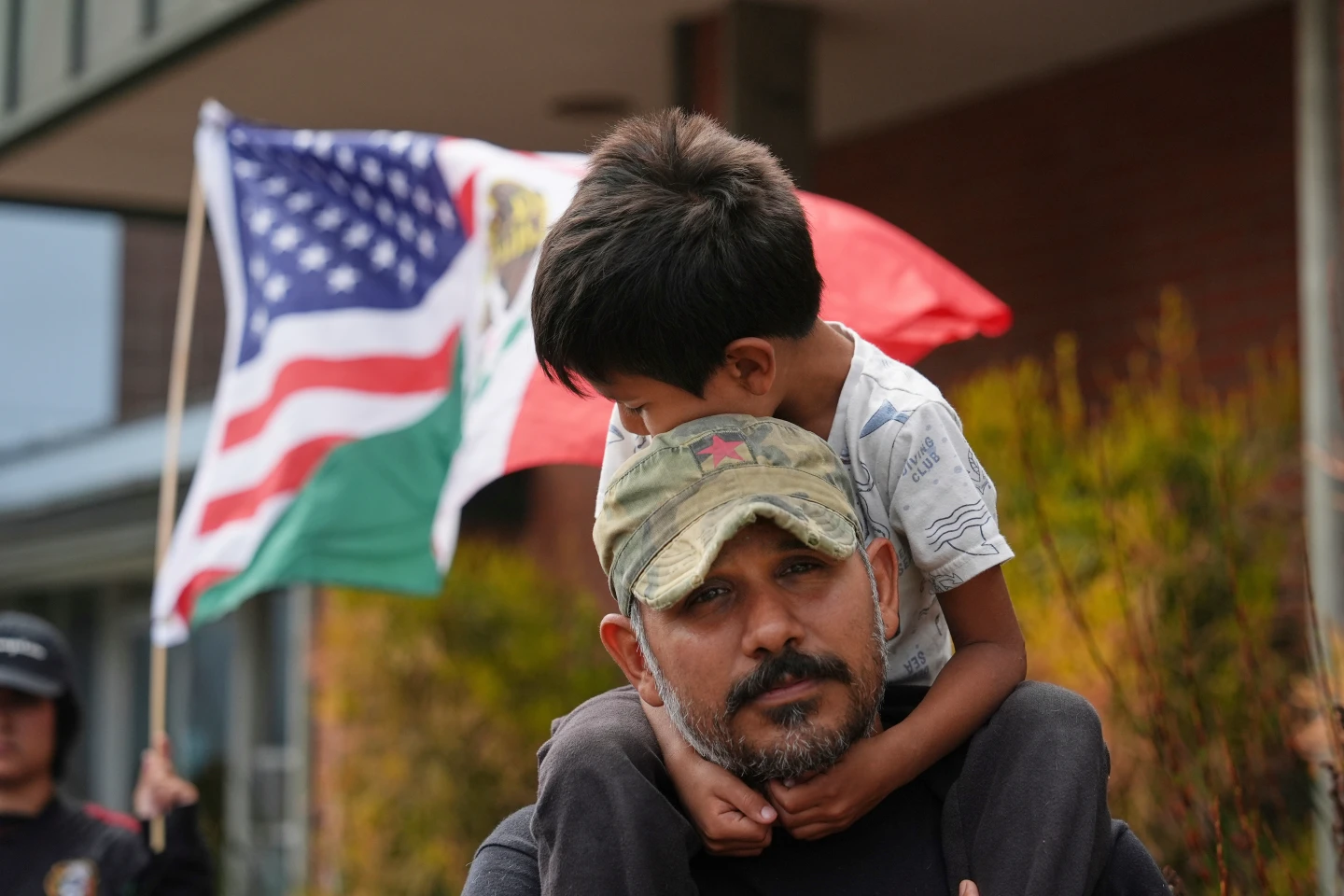
The operation named 'Catahoula Crunch' has seen federal agents deployed across neighborhoods with large immigrant populations, resulting in reports of arrests in unconventional places like home improvement store parking lots. Activist Alejandra Vasquez speaks for many in the community, expressing that agents are reportedly detaining working families rather than the targeted criminals.
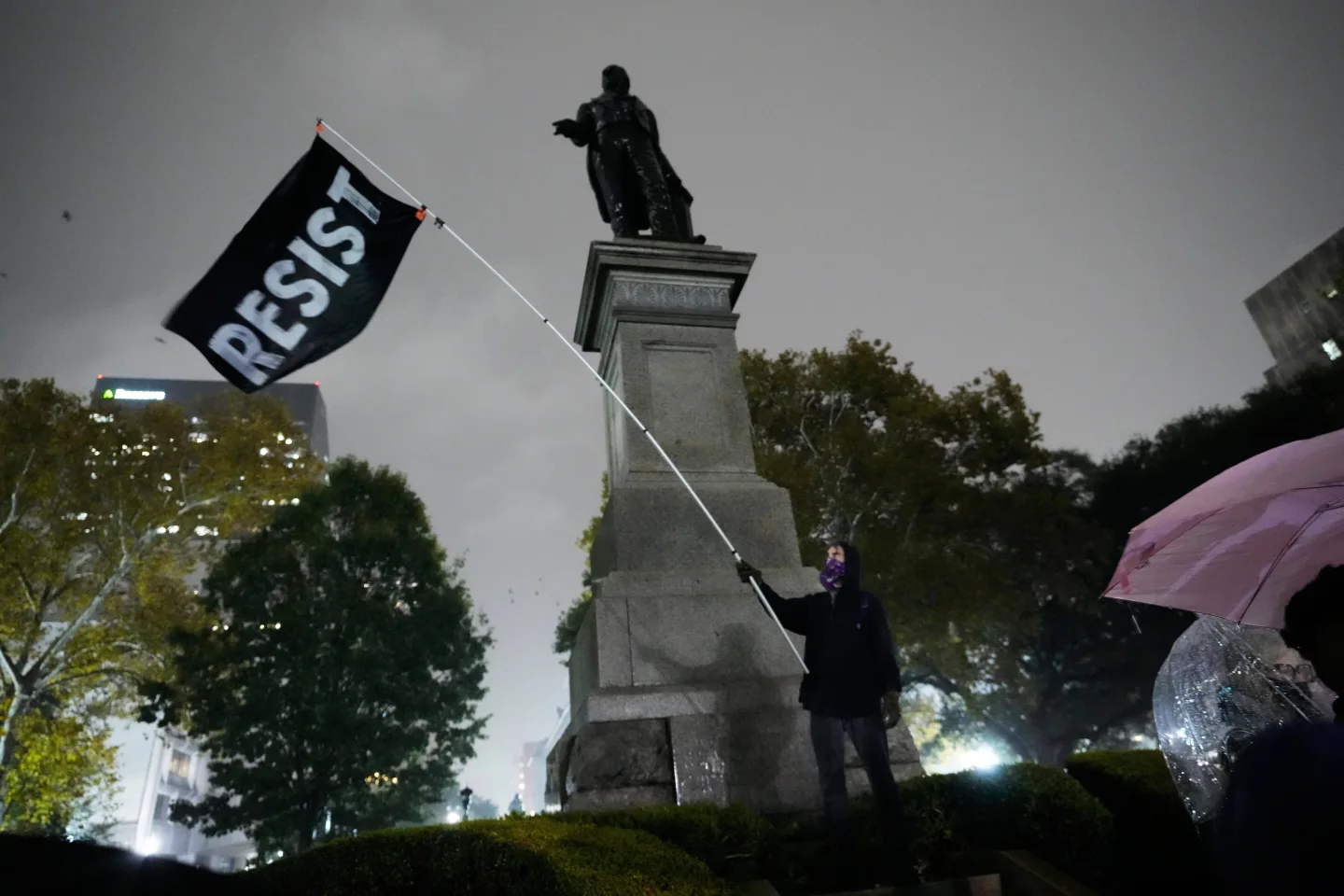
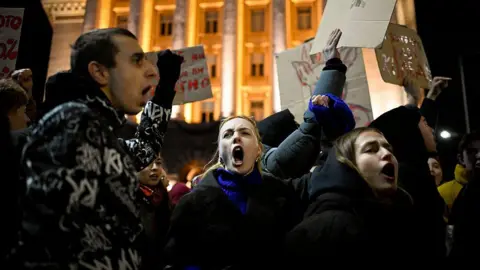
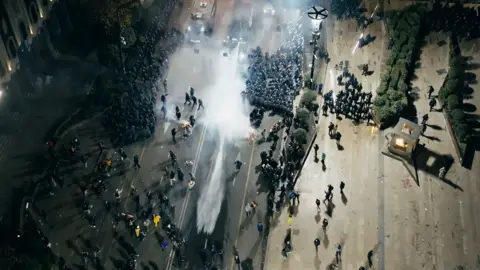
Political backing for this crackdown includes support from Louisiana's own U.S. House Speaker Mike Johnson, who argues that sanctuary city policies have compromised community safety. As protests erupted against the operation, with protesters removed from a City Council meeting, fears are growing that the planned arrests will indiscriminately target a broader demographic, including families and workers, rather than solely violent offenders, destabilizing local communities.
Recent statistics from the Department of Homeland Security indicate that agents have already arrested individuals with serious criminal records, although concerns linger regarding the category of those being detained, raising alarms that immigration breaches — civil matters — may harm families and the local economy. Amidst these tensions, the community continues to grapple with the ramifications this operation could have on its cultural fabric.
In Los Angeles, which became a battleground for President Trump’s tough immigration policies, roughly 5,000 individuals were arrested over the summer, where 10 million residents are foreign-born. New Orleans City Council President J.P. Morrell voiced concerns, stating that a sweep through New Orleans wouldn't realistically yield close to 5,000 violent offenders given the area's demographics. Census data indicates that in 2022, New Orleans had a foreign-born population of nearly 100,000, with around 60% not being U.S. citizens. Morrell noted the negligible rate of violent crime associated with illegal immigrants compared to the city's historic lows.
The operation named 'Catahoula Crunch' has seen federal agents deployed across neighborhoods with large immigrant populations, resulting in reports of arrests in unconventional places like home improvement store parking lots. Activist Alejandra Vasquez speaks for many in the community, expressing that agents are reportedly detaining working families rather than the targeted criminals.
Political backing for this crackdown includes support from Louisiana's own U.S. House Speaker Mike Johnson, who argues that sanctuary city policies have compromised community safety. As protests erupted against the operation, with protesters removed from a City Council meeting, fears are growing that the planned arrests will indiscriminately target a broader demographic, including families and workers, rather than solely violent offenders, destabilizing local communities.
Recent statistics from the Department of Homeland Security indicate that agents have already arrested individuals with serious criminal records, although concerns linger regarding the category of those being detained, raising alarms that immigration breaches — civil matters — may harm families and the local economy. Amidst these tensions, the community continues to grapple with the ramifications this operation could have on its cultural fabric.