Unraveling the Controversy: Guinea-Bissau's Recent Military Takeover
Military takeovers are nothing new in Guinea-Bissau. The West African country has experienced at least nine attempted and successful coups since gaining independence from Portugal in 1974.
But when military officers announced they had seized control of the country last Wednesday, some analysts and political figures expressed skepticism.
All the typical ingredients for a coup were there: gunfire was heard near the presidential palace, the President - Umaro Sissoco Embaló - was arrested, and soldiers gave an address on state television.
Still, other circumstances of the incident have been called into question, with Senegalese Prime Minister Ousmane Sonko and former Nigerian President Goodluck Jonathan joining a chorus of voices who believe the takeover was possibly masterminded by Embaló himself.
Adding to the confusion, the military insisted to the BBC that it had taken over the country but condemned the use of the term coup. The junta leaders claimed they were acting to thwart a plot by unnamed politicians who had the support of a well-known drug baron to destabilize the country, known as a drug-trafficking hub.
What Happened Prior to the Takeover?
Just days before the takeover, Bissau-Guineans voted in a presidential election where Embaló was running for a second term against Fernando Dias da Costa.
Following the military takeover, election results were expected but never released, throwing the election's integrity into further doubt.
The Coup or Not?
On the day of the coup, Embaló stated he had been arrested at the presidential palace. Military officers later announced they had suspended the electoral process and announced the detention of other political figures, including important leaders in the opposition.
However, skepticism remains among the opposition and regional leaders who viewed Embaló's rapid departure to Senegal as suspicious.
Public Reaction
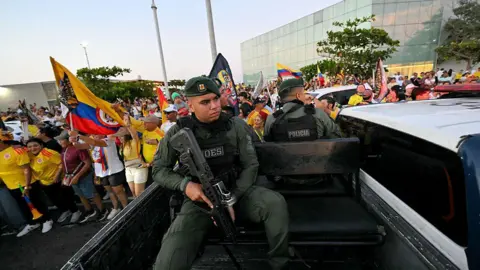
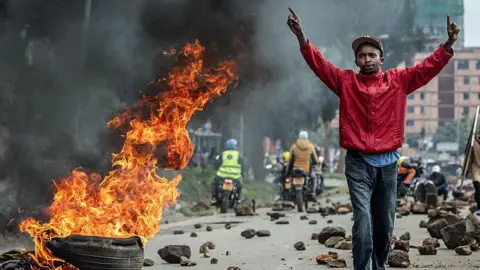
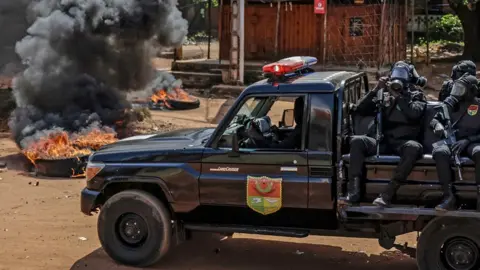
In the aftermath of the coup, protests erupted in the streets, with citizens demanding the release of detained political leaders and the publication of election results. Mixed reactions highlighted divisions in public perception, with some supporting military intervention for stability.
As Guinea-Bissau navigates this tumultuous chapter, analysts question the legitimacy of the takeover, pointing to Embaló's controversial tenure and the military's motives.