In brief
In the wake of a catastrophic flash flood at the Nepal‑Tibet border, at least 1,200 people died and thousands are still missing. The debris has buried villages and blocked major roads, hampering relief efforts. Officials in Kathmandu and local administrations are scrambling to initiate reconstruction of homes, schools, and roads, while emphasising that Nepal, despite its low greenhouse gas emissions, faces the greatest climate‑change risks in the world. To support this massive rebuilding, the country is calling for billions of dollars from the international community.
The low‑emission Himalayan nation of Nepal is in the throes of rebuilding after a flash flood on the border with Tibet that has claimed the lives of at least 1,200 people and left thousands more missing. While the country is one of the world’s smallest contributors to greenhouse gases, it sits on one of the most climate‑vulnerable landscapes globally.
“We are in a crisis where roads are buried under mud and debris, and houses are underwater,” says a government spokesperson. “The immediate priority is to clear the routes so relief can get to those trapped and to lay the groundwork for reconstruction.”
Officials on the ground in Nepal, with the help of aid organisations, are beginning to clear the wreckage and assess the damage to villages in the Methan and Dudhkoshi valleys. Schools, health centres, and orphanages have been inundated, and many homes—built from traditional timber and bamboo—have been destroyed. The government estimates that the cost of rebuilding infrastructure and housing could reach several billion dollars.
The Prime Minister has appealed to the international community for a matching fund, highlighting the disproportionate impact the flood has had on a country that has historically contributed minimally to global emissions. “We are looking for a scale of national and international aid that reflects the scale of the damage and the urgency of restoration,” he stressed in a televised address.
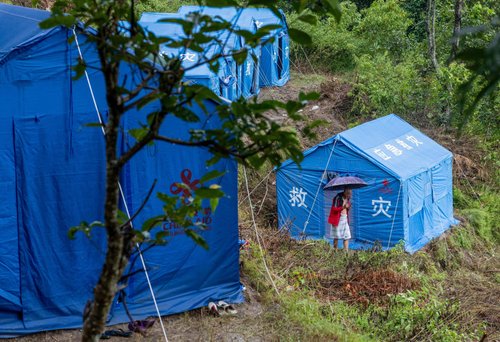
On the ground, villagers are living in temporary shelters built from plastic and bamboo while the flood’s effects linger. “The rivers are still swollen; we have to repair bridges and dig drainage channels,” says a local official.
The international community is monitoring the situation closely, with several donor nations ready to offer emergency assistance. However, the exact amount and scope of funding remain to be negotiated, while Nepali authorities establish a multi‑agency task force to coordinate recovery efforts.
As Nepal moves forward, the challenges of rebuilding amidst a climate crisis will test both local resilience and global solidarity.