In brief
A recent IPC report highlights that a significant portion of Gaza's population faces alarming levels of starvation and malnutrition caused by prolonged Israeli restrictions on aid and food.
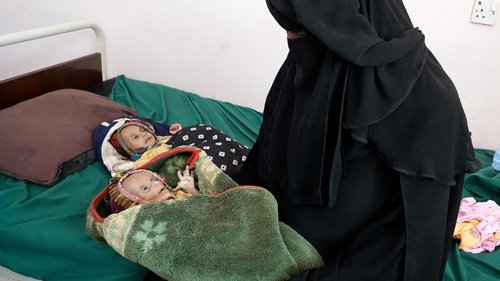
In Gaza, famine has escalated to alarming levels, with reports indicating that around half a million people, or a quarter of the population, are facing dire food shortages that can be classified as famine. The Integrated Food Security Phase Classification (IPC), acclaimed for monitoring global food security by the United Nations, asserts that this crisis is “entirely man-made”. Aid organizations charge Israel with obstructing food supply into the Gaza Strip, amidst claims of widespread starvation. Conditions are dire as families struggle with extreme food shortages, with figures showing that 20% of households have severe restrictions on food consumption and around a third of children are acutely malnourished. Mortality rates attributed to starvation and related illnesses are on the rise, with credible reports indicating at least 273 recorded deaths, including numerous children.The crisis can be traced back to steep restrictions imposed by Israel, intensifying following the October 7, 2023 conflict initiated by Hamas. The situation worsened with a three-month blockade leading to severe limitations on food supplies, culminating in the implementation of a controversial new aid distribution system overseen by the Gaza Humanitarian Foundation. This shift has resulted in a drastic reduction in food distribution points and grave risks for those attempting to access supplies.Amidst the rising toll, the United Nations indicates that around 994 Palestinians have been killed near distribution sites, raising urgent concerns over safety when seeking aid. Despite a recent increase in the number of aid trucks allowed entry into Gaza, it remains below the necessary levels to meet basic needs, with reports of flour prices soaring beyond affordability for many civilians. Israeli officials have staunchly denied claims of starvation within Gaza, attributing any hunger to the actions of aid agencies and Hamas. However, multiple reports, including those from US government assessments, reject these assertions about aid diversion and confirm the desperate looting of aid as a response to food scarcity.International responses to the IPC's findings have been vehement, with UN Secretary-General Antonio Guterres affirming Israel's obligations under international law to provide essential food and medical supplies to the population. UK Foreign Secretary David Lammy characterized the situation as a moral outrage, underscoring the urgent need for increased access to humanitarian aid.With Israel's military recently ramping up efforts in Gaza City, where famine conditions are critical, plans for evacuation of civilians from affected areas raise concerns about further humanitarian ramifications. Humanitarian organizations warn that any military action could disproportionately impact vulnerable populations, including malnourished children and the elderly, who cannot escape.As the world grapples with this escalating humanitarian crisis, the situation in Gaza underscores the need for a concerted effort to address both the immediate needs of the population and the underlying policies contributing to this perilous state.