CAPE CANAVERAL, Fla. — NASA is set to launch its Artemis II mission, representing humanity's first crewed trip to the moon in more than half a century. The mission has drawn clear comparisons to the Apollo moonshots, but with significant distinctions.
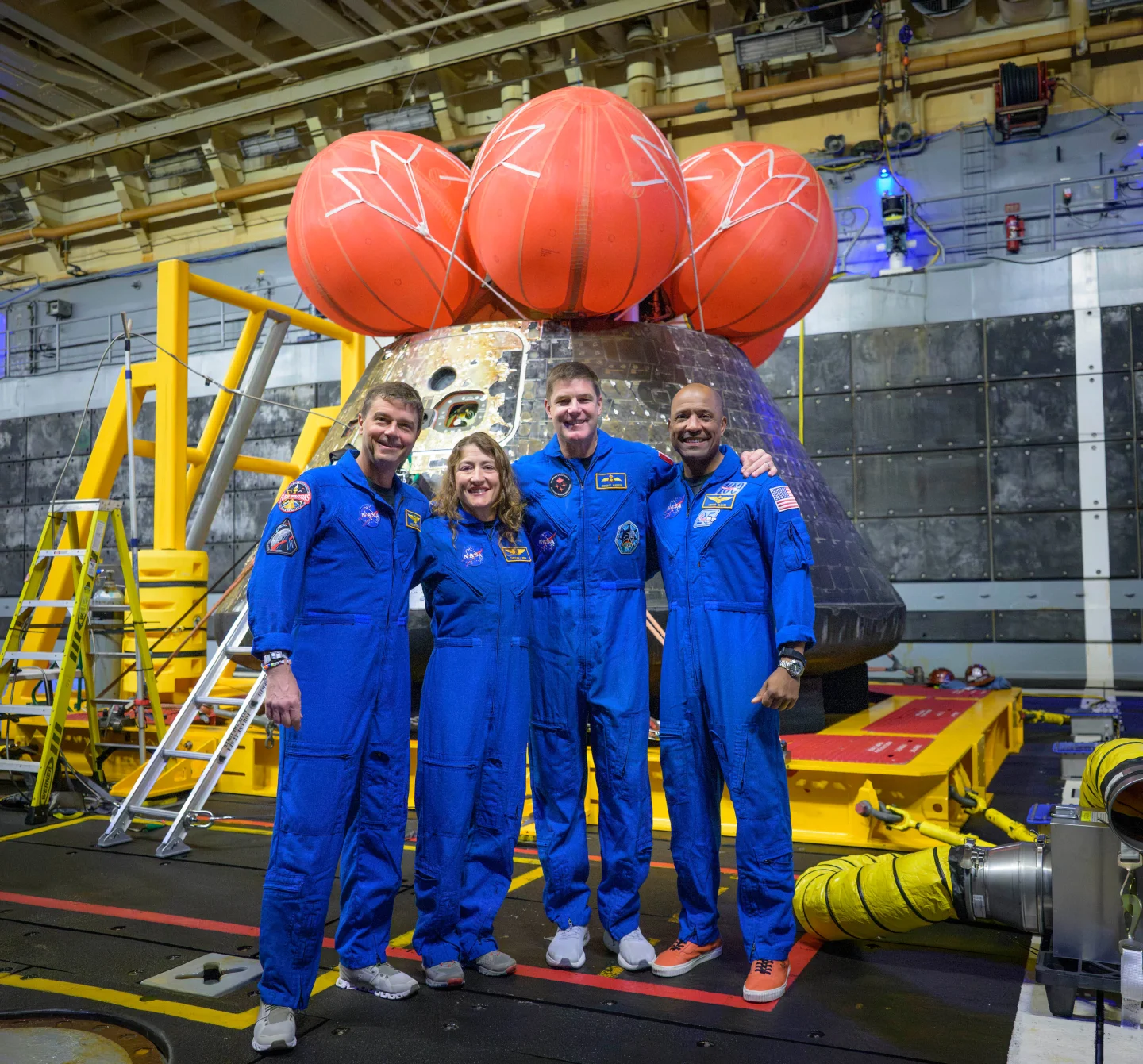
The Artemis II crew, poised to orbit the moon, showcases the diversity of today’s society with female astronaut Christina Koch and Canadian astronaut Jeremy Hansen among them. Unlike the original Apollo missions, the new program emphasizes inclusivity, showcasing the progress made since the 1960s.
NASA's quick ascent from its first astronaut in space to landing Apollo 11 on the moon was a hallmark of the Apollo program, accomplished within eight years. In contrast, Artemis has faced delays and indecision, partially due to long discussions about targeting the moon versus Mars as the next destination.
The Artemis launch aims to not only pay homage to Apollo's legacy but to establish a sustainable presence on the moon, targeting the lunar south pole where resources like water ice may be available for future exploration and habitation.
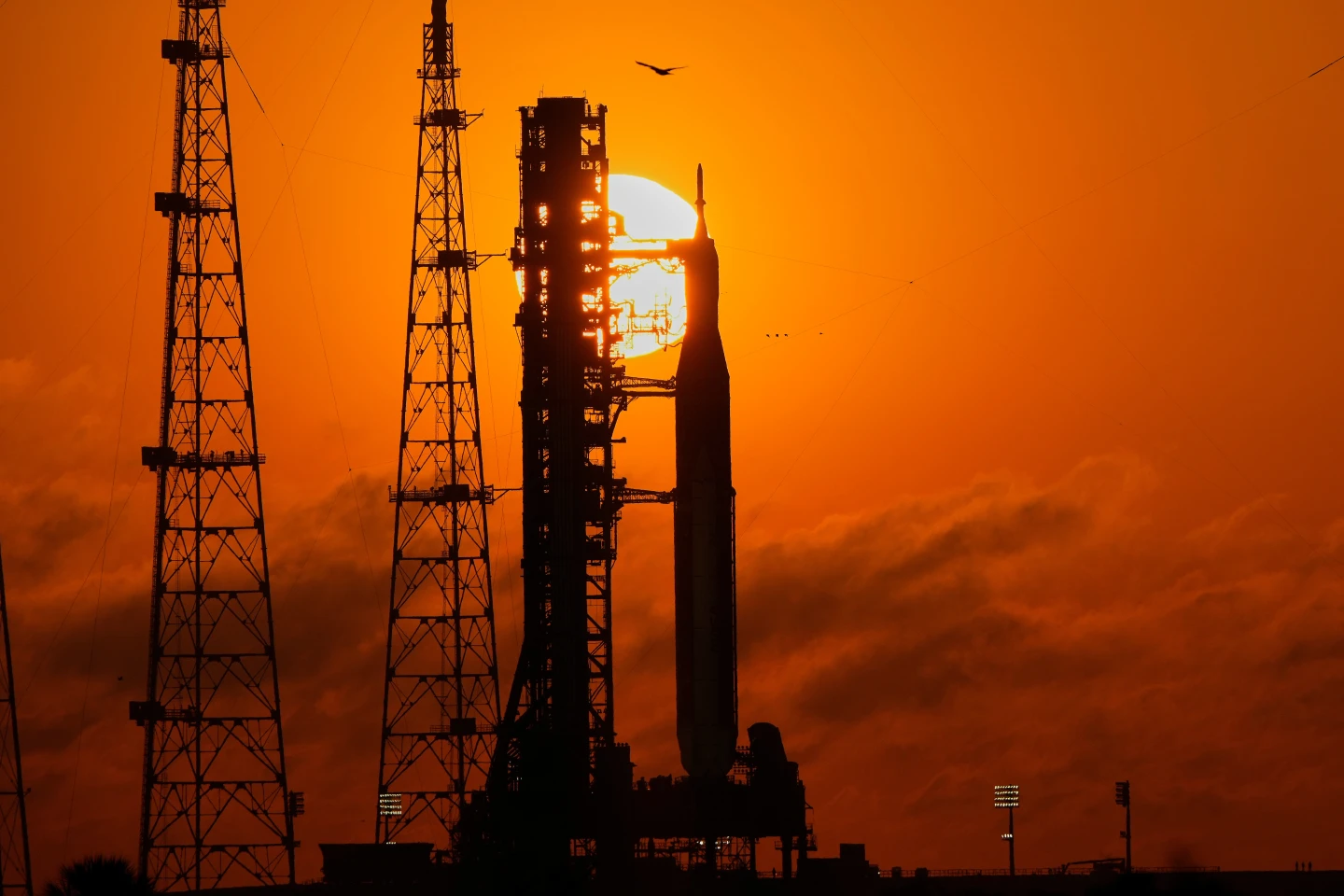
Challenges remain as NASA prepares for Artemis II, including overcoming the technical hurdles that delayed the Space Launch System rocket's first flight. The launch is targeted for the first week of April 2026, with future missions planned to push the boundaries further.
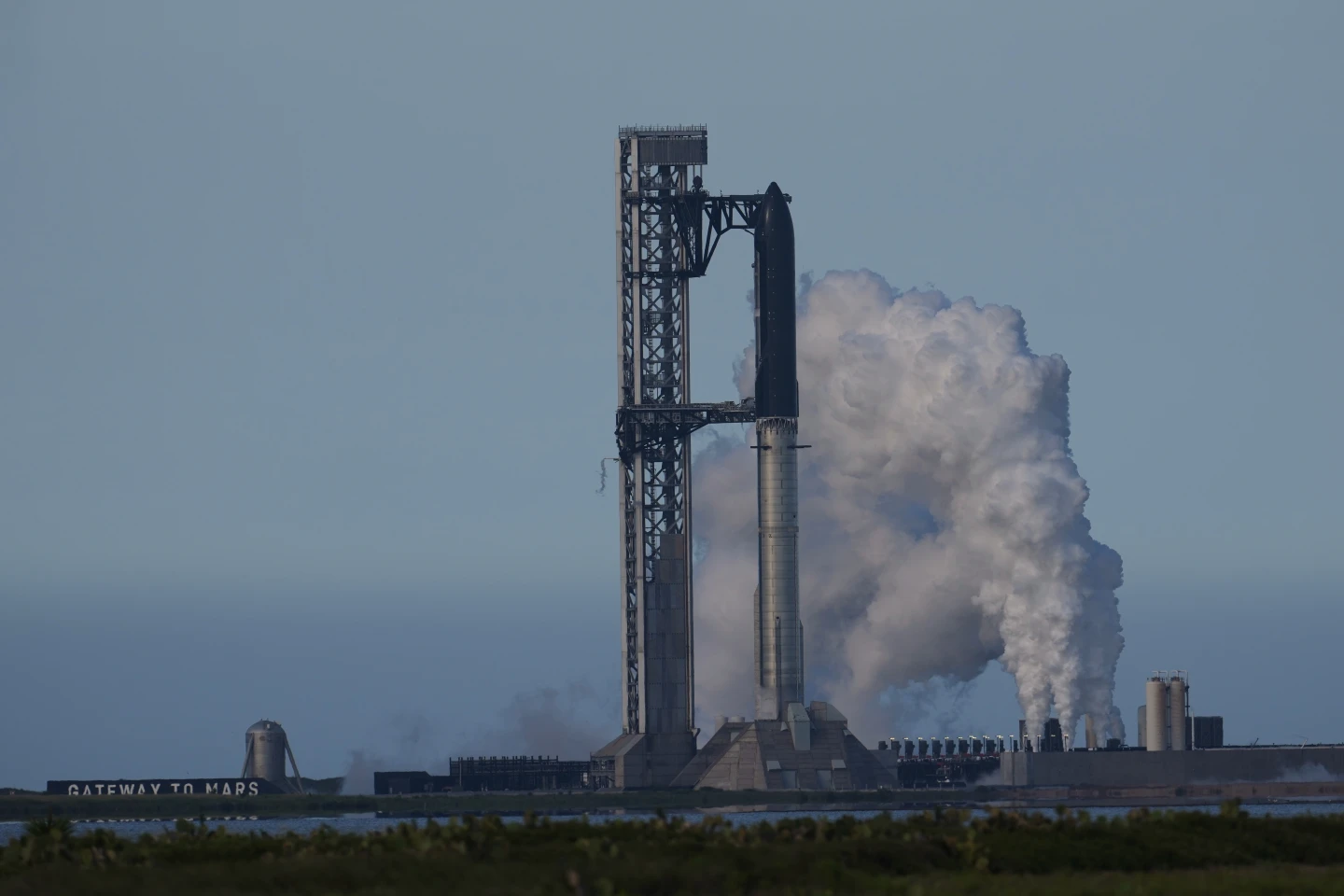
This new era of lunar exploration echoes not only a race to the moon but also highlights the complexity of modern space endeavors involving collaboration with private companies like SpaceX and Blue Origin. As NASA aspires for long-term lunar habitation, the Artemis missions will form the basis for potential missions to Mars.
Despite the challenges, Artemis II embodies the hope of rekindling collective enthusiasm for space exploration in its ambitious objectives, providing a new chapter in our journey to the stars.