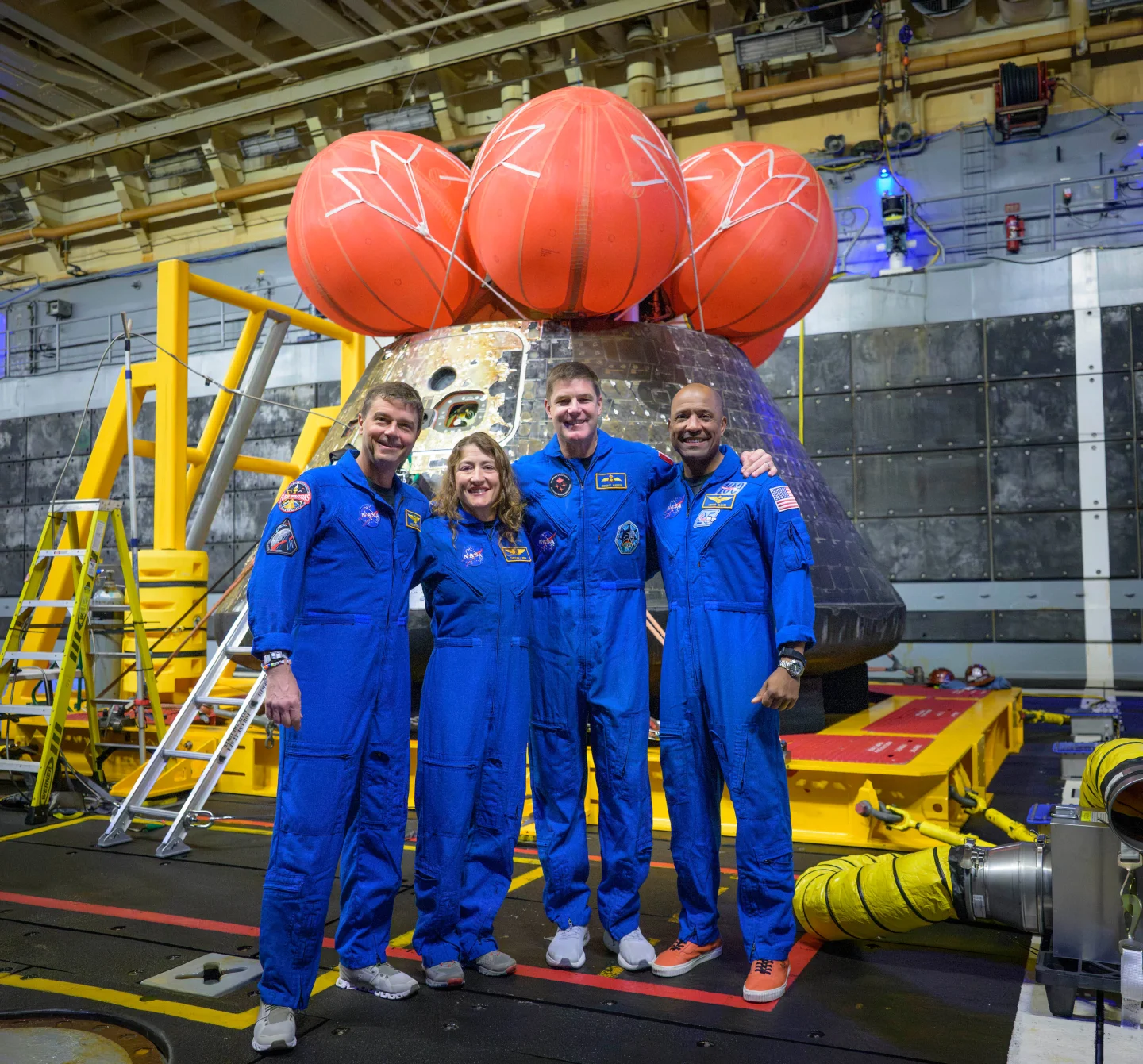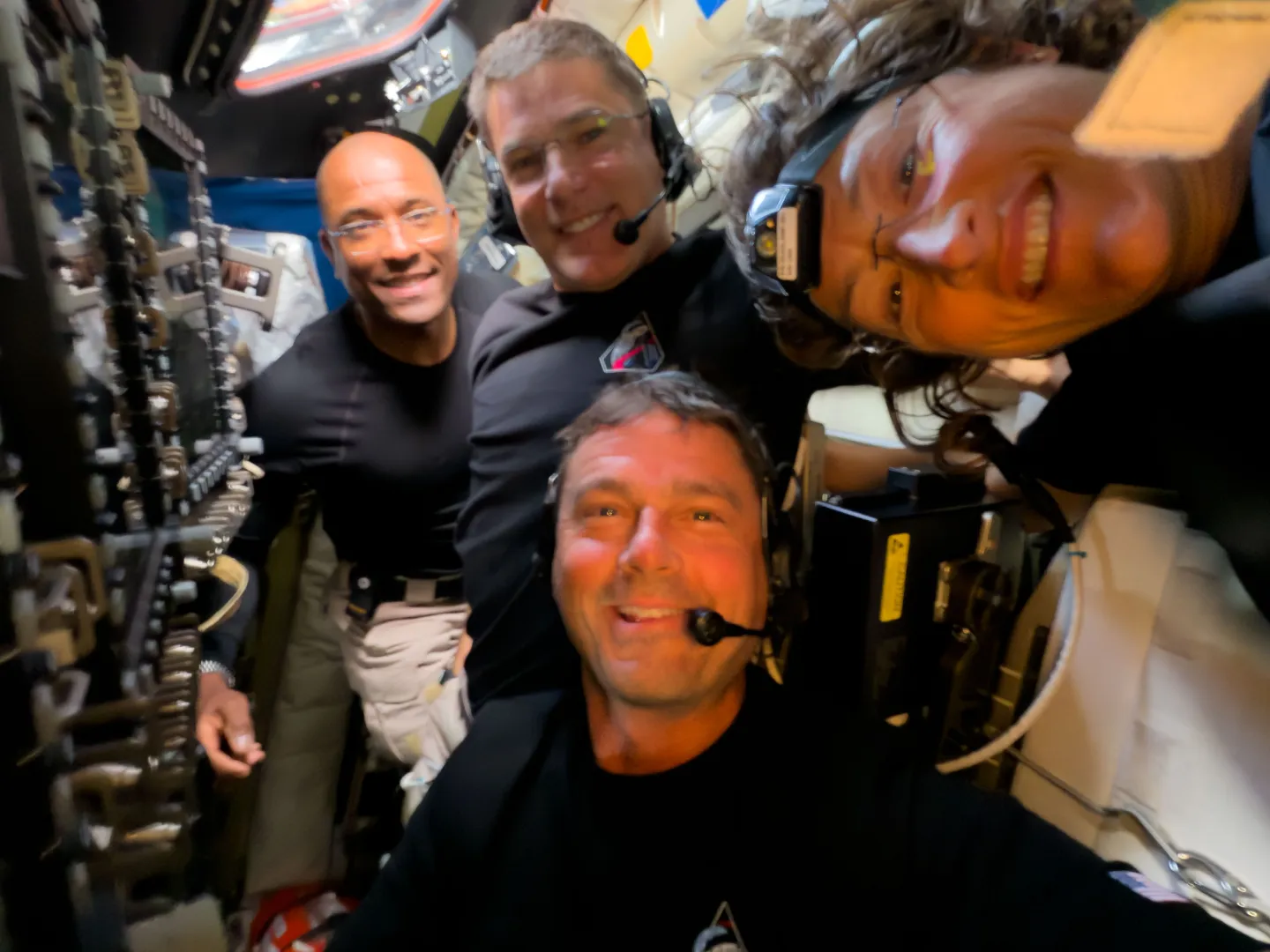
HOUSTON (AP) — The Artemis II mission is nearing its grand finale as astronauts make their final approach for splashdown in the Pacific on Friday, marking humanity's return to the moon after more than half a century. Tension mounts within Mission Control as the crew - Commander Reid Wiseman, Pilot Victor Glover, Christina Koch, and Jeremy Hansen of Canada - prepares for the high-speed atmospheric entry.
The team is scheduled to re-enter the Earth's atmosphere traveling at a staggering Mach 32, reminiscent of the Apollo missions of the late 20th century. With a life-protecting heat shield that has only previously endured one uncrewed test flight, the crew's descent poses significant risks.
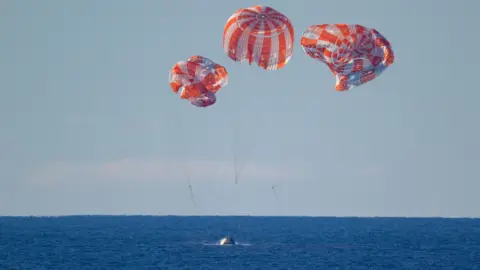
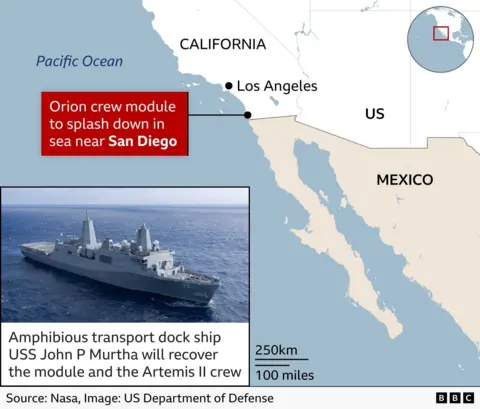
Instead of taking manual control during the descent unless absolutely necessary, the Orion spacecraft is designed to autonomously navigate the return journey. Anticipation runs high as they enter a communication blackout period just before parachute deployment, and the recovery ship USS John P. Murtha, along with military aircraft, is on standby to assist the crew.
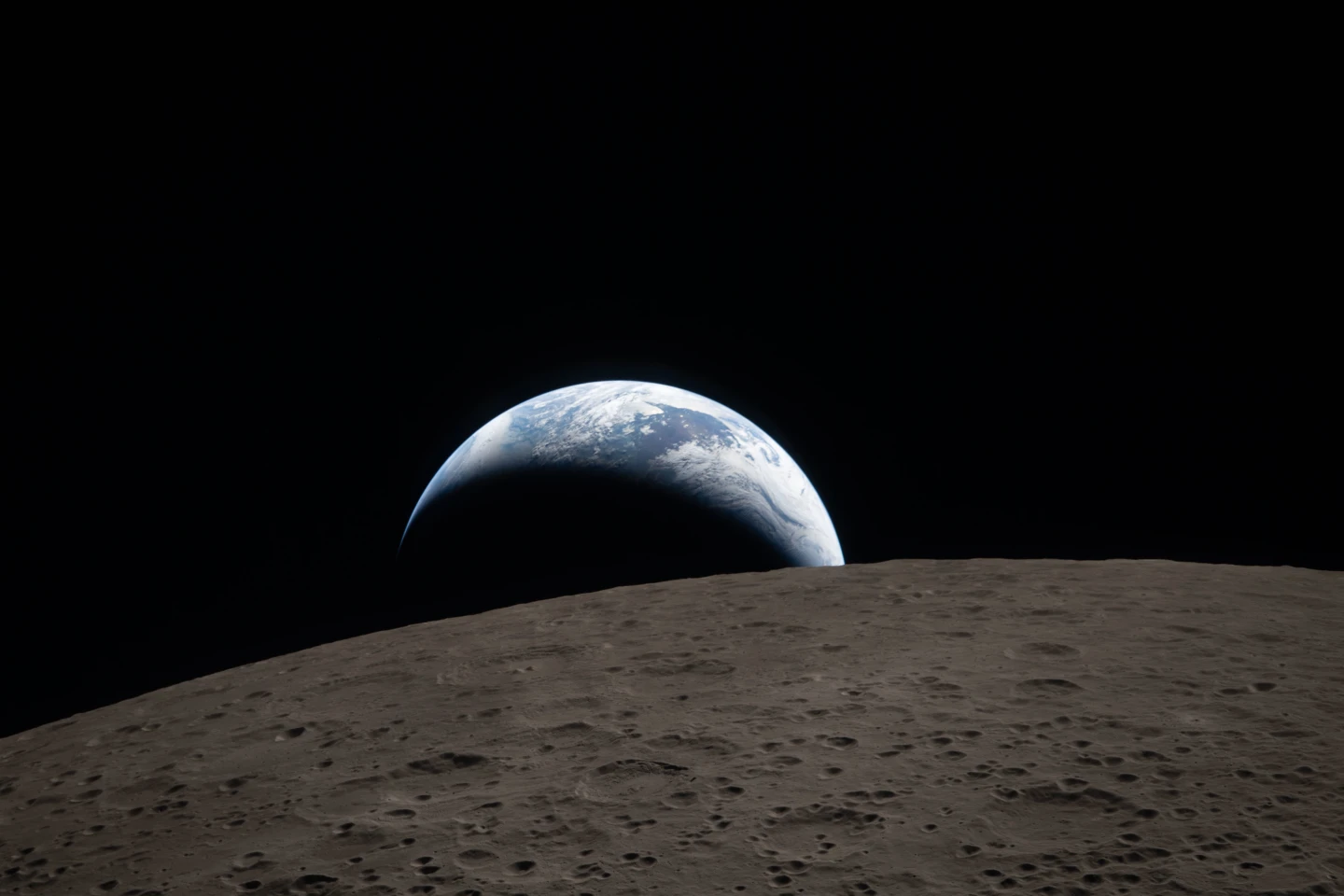
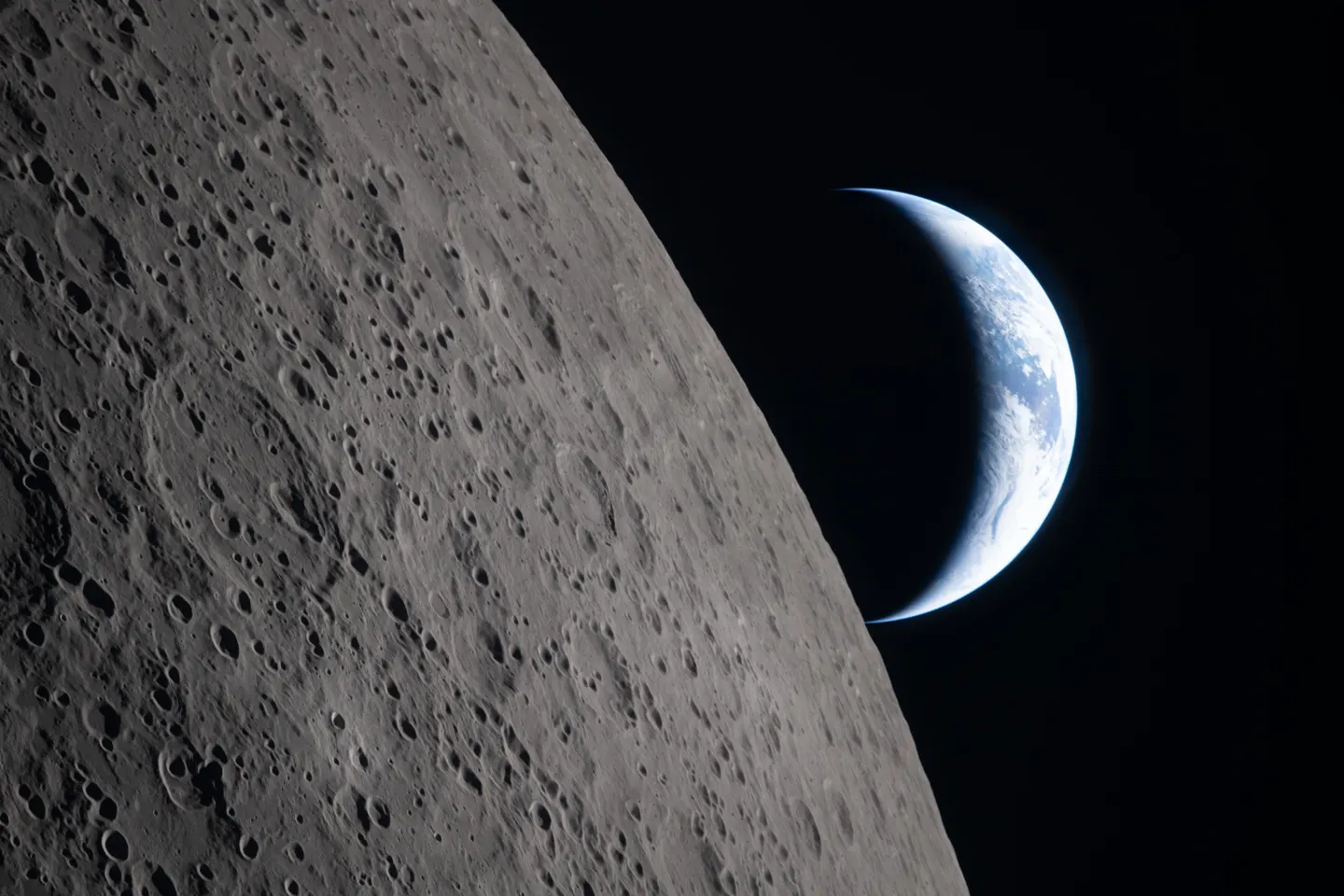
The Artemis II mission has set a new distance record, allowing the crew to surpass the distance achieved during Apollo 13, travelling a remarkable 252,756 miles from Earth. Throughout their journey, the astronauts experienced unprecedented views of the lunar far side and witnessed a total solar eclipse, an event described as breathtaking by the crew members.
Despite technical setbacks, such as issues with the capsule's water supply and toilet problems, the crew maintained an indomitable spirit, viewing their challenges as necessary sacrifices for the future of lunar exploration.
With plans underway for the next Artemis missions, the Artemis II crew hopes their journey will be just the beginning of humanity's endeavors towards establishing a sustainable lunar base and deeper space exploration.