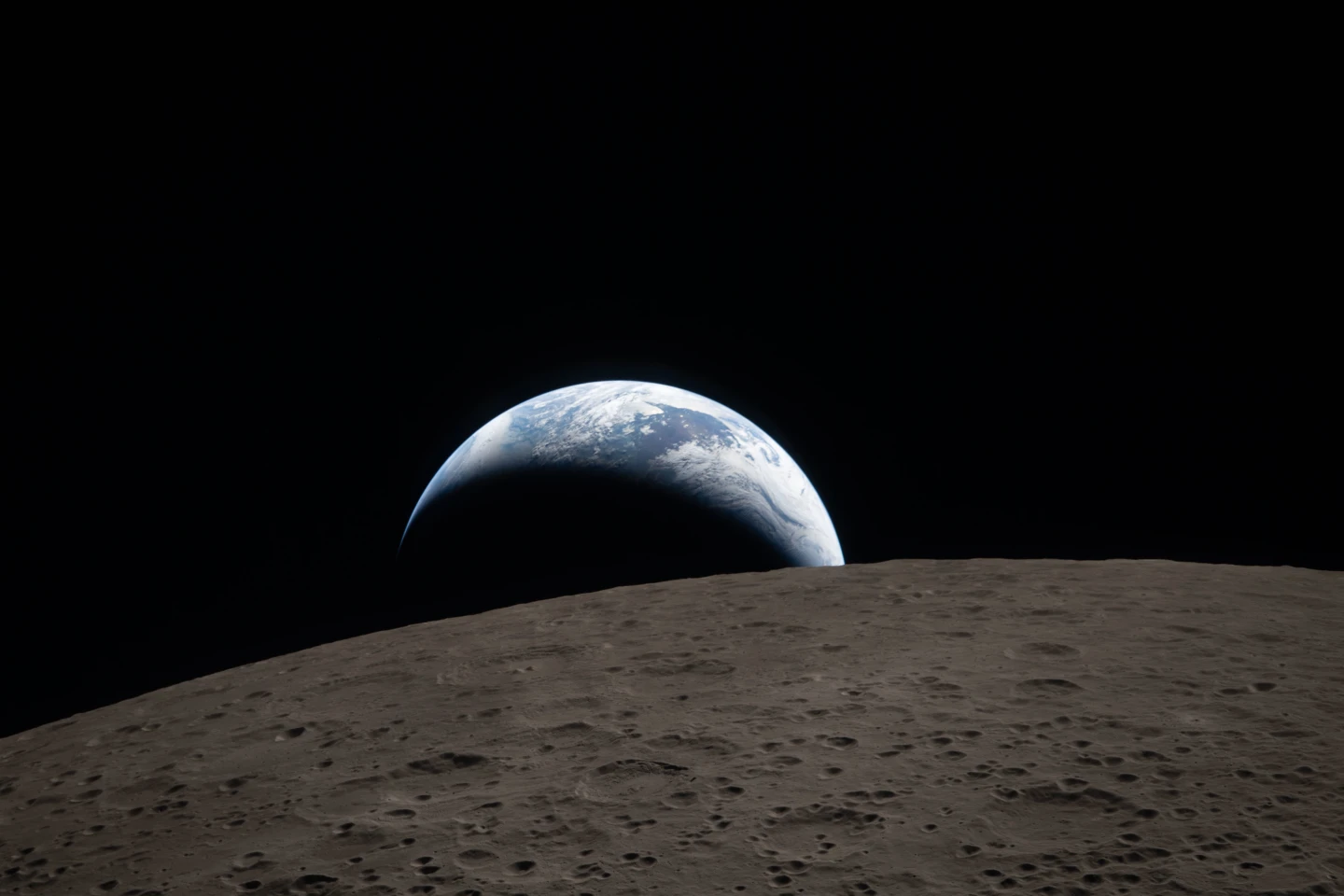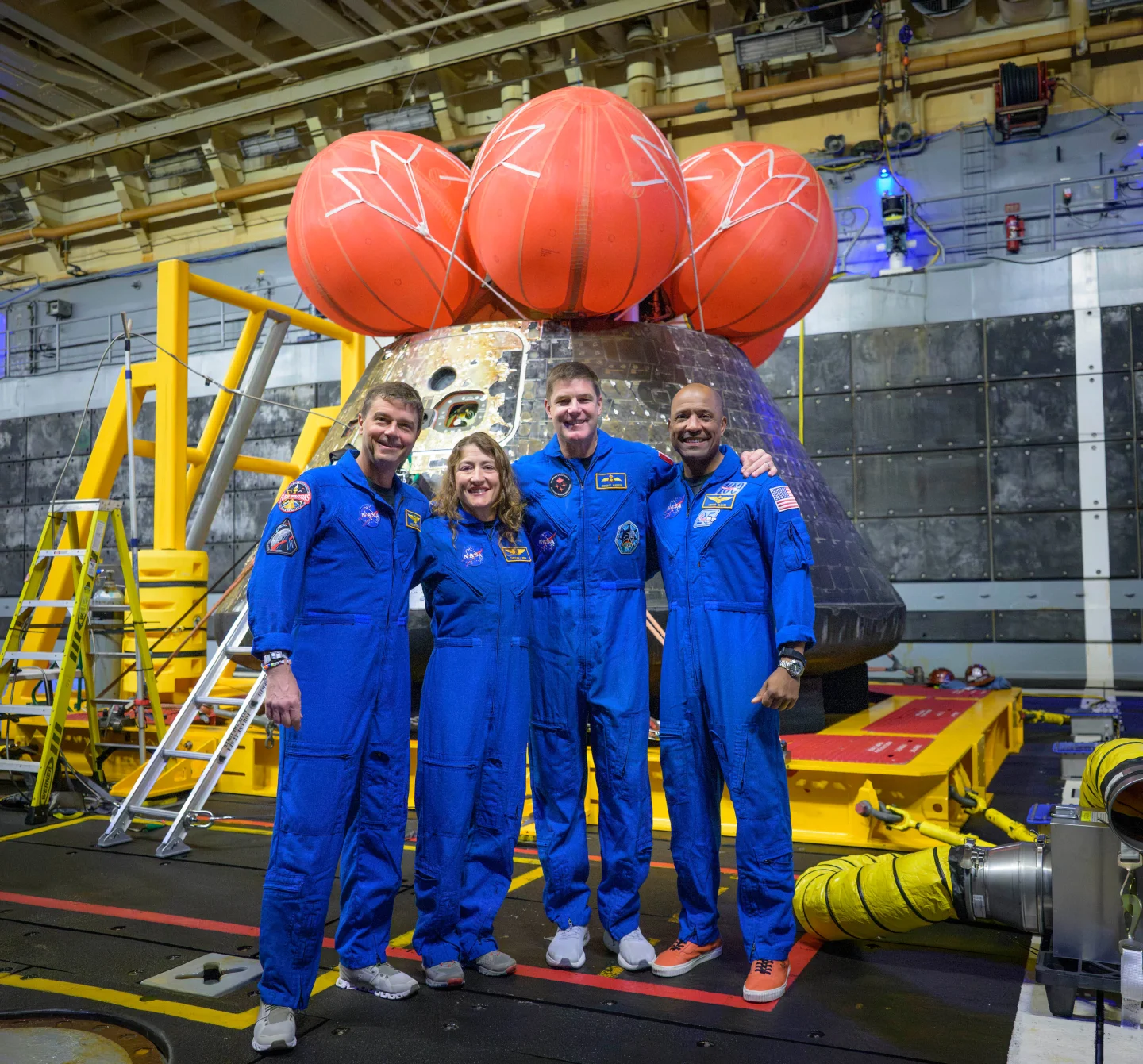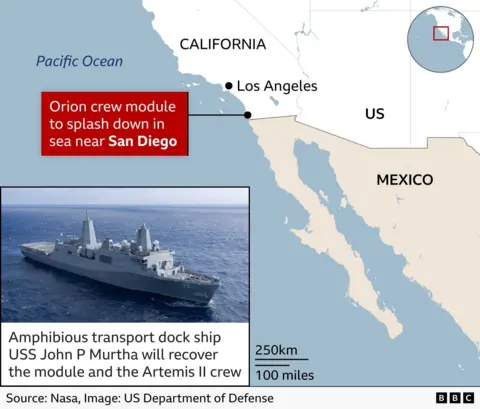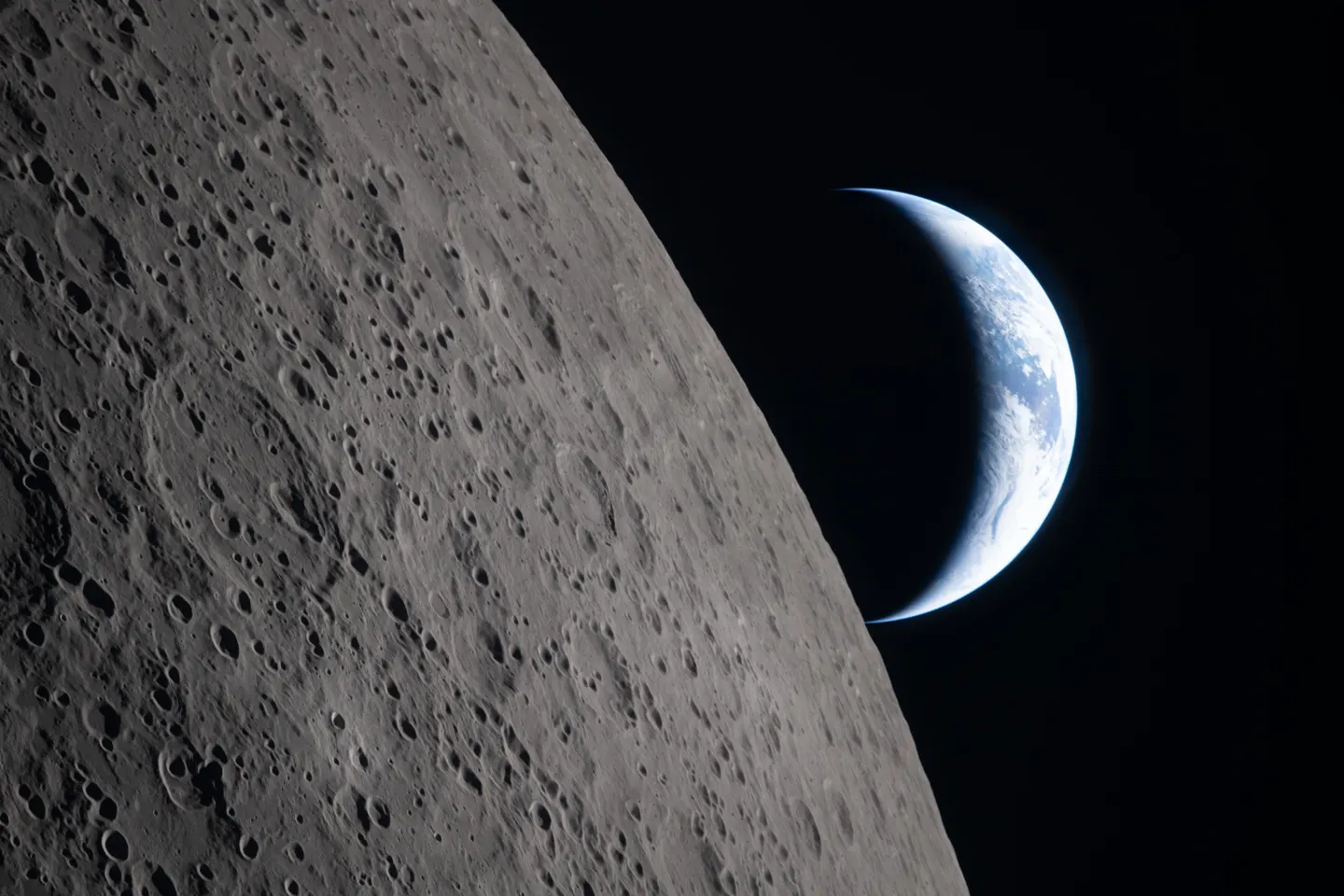
NASA's Artemis II mission has successfully sent four astronauts sweeping around the far side of the Moon and landed them safely back home.
The Orion spacecraft performed admirably and the images the astronauts captured have delighted a whole new generation about the possibilities of space travel.
But does this mean that the children enthralled by the mission will be able to live and work on the Moon in their lifetimes? Perhaps even go to Mars, as the Artemis programme promises?
It seems churlish to say, but looping the Moon was relatively easy. The really hard part lies ahead, so the answer is maybe, maybe not.
Just a few years after he planted the American flag on the lunar surface, the TV audience figures for subsequent missions plummeted and future Apollo missions were scrapped.
This time, Nasa's stated ambition is different. Administrator Jared Isaacman has set out plans for one crewed lunar landing per year, beginning in 2028, with the fifth Artemis mission - planned for later that same year - marking the start of what the agency calls its Moon base.
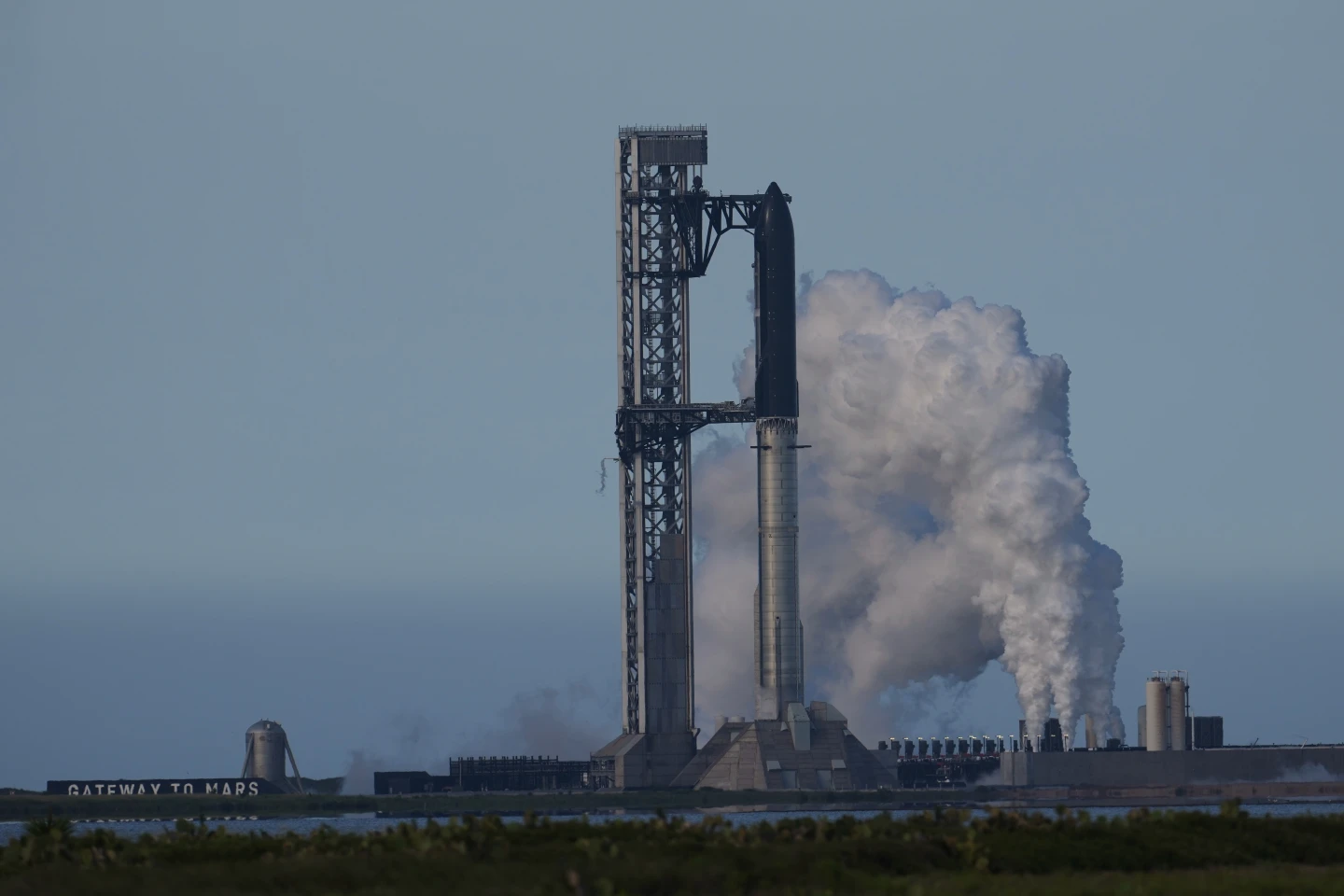
However, to get boots on the lunar surface, NASA needs a lander. The US space agency has contracted two private companies to build them: Elon Musk's SpaceX, whose lunar version of its Starship rocket will stand 35 meters tall, and Jeff Bezos's Blue Origin, whose Blue Moon Mark 2 craft is more compact but just as ambitious. Both are well behind schedule.
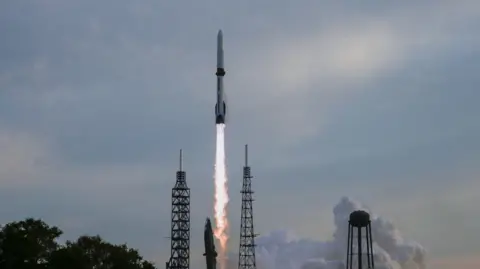
The Artemis programme intends to store all this propellant in a depot, which will orbit around the Earth and will be topped up by more than 10 separate tanker flights, all launched at regular intervals over months. The plan looks elegant but is fiendishly difficult.
Nasa has kept its 2028 target for a first Artemis Moon landing in part for political reasons - it now aligns with President Trump's renewed space policy, which calls for Americans to be back on the lunar surface by 2028 – a deadline that falls within his current term of office, due to end that year.
Independent analysts don't believe the target is realistic. But Congress has backed the date with billions of dollars of taxpayers' money, partly because there is a new competitor on the horizon.
China's emergence this century as an economic and military superpower has also seen its space capabilities accelerate rapidly, and it now has a stated aim of landing an astronaut on the Moon by around 2030. If the Artemis timetable slips, as many experts believe it will, China could get to the Moon first.
Beyond the Moon lies Mars. Musk has spoken of getting humans to the Red Planet before the end of this decade. Many experts believe it is far more likely to be the 2040s at the earliest.
Artemis II has put human spaceflight back on the agenda. Private companies are building rockets and landers with genuine urgency. Even if the timetables slip, this new partnership feels like something special is happening on the Florida coast - and Nasa has already got some of its old mojo back.