In brief
Jama'at Nusrat al-Islam wal-Muslimin (JNIM) has intensified its blockade of Mali's capital by burning dozens of fuel tankers and trucks near Bamako, disrupting supply chains as Eid al-Adha approaches. Verified videos and NASA satellite data confirm the attacks, which have caused fuel shortages, skyrocketing prices, and canceled Eid animal purchases. Despite Russian paramilitary support, the government faces mounting pressure as residents avoid travel and prepare for a crisis-stricken holiday.
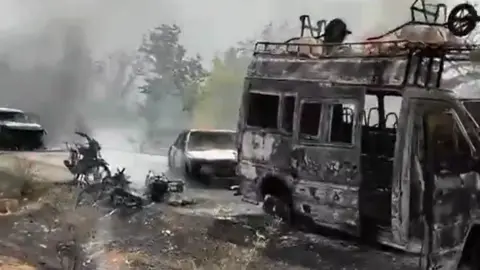
In a brazen escalation of violence, jihadist fighters have set fire to dozens of vehicles on major roads leading to Mali's capital Bamako, as part of their intensified blockade ahead of Eid al-Adha, according to BBC Verify. The burning of fuel tankers, minibuses, and trucks—confirmed through satellite imagery and AI verification—has paralyzed supply chains and triggered acute shortages.Eyewitness accounts and authenticated videos show militants forcing drivers to abandon vehicles before igniting them, with no casualties reported. The attacks occurred about 45km west of Bamako, where JNIM has imposed a fuel blockade since last year. This latest wave follows their assault on the city in May, marking a stark tightening of control over Mali's economy.The blockade has catastrophic consequences: prices for basic goods have soared, with potatoes jumping from 350 to 500 CFA francs ($0.62 to $0.90) per kilogram. As Eid approaches, sheep for sacrifice—essential for Muslims to commemorate Prophet Ibrahim's sacrifice—have become scarce. Sheep sellers report militants seizing animals along routes, while families consider buying bulls instead. 'Travelling would put your life at risk,' says resident Moussa, who plans to celebrate Eid in Bamako.Mali's junta, led by Gen. Assimi Goïta, relies on Russian paramilitary group Africa Corps to counter the crisis. Despite recent aerial escorts for fuel convoys, attacks persist. Analysts note the blockade aims to destabilize the government, which seized power in 2020 promising security but now struggles to control northern regions. With Eid's animal market depleted and travel dangerous, communities face unprecedented hardship.NASA satellite data detected heat signatures at the attack site, confirming the destruction. The BBC has contacted the Malian government for comment, but with fuel shortages accelerating ahead of the holiday, the blockade represents a turning point in the region's escalating conflict.}