The venue is ready, the guards are in place and the curb along the approach road has received a fresh coat of yellow and black paint.
Islamabad awaits.
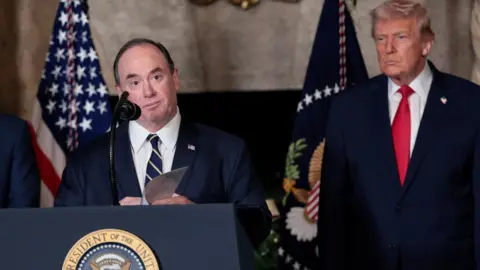
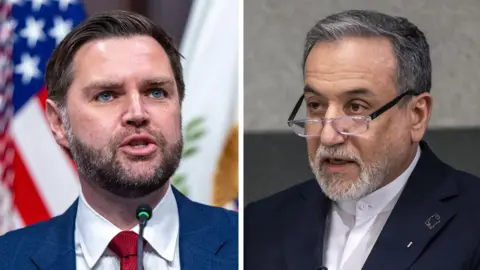
As hosts of vital US-Iranian talks, Pakistani officials express optimism, emphasizing their trust with both sides. The U.S. delegation, led by Vice President JD Vance, is also upbeat about the potential for progress, stating a willingness to negotiate in good faith.
However, major sticking points lie ahead. Key challenges include:
- Nuclear Rights: Iran insists on its right to enrich uranium for civilian purposes, while the U.S. demands a halt to this.
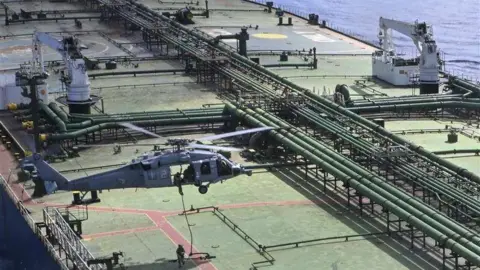
- Strait of Hormuz: Concerns arise over Iran's control of this crucial shipping passage, with accusations of mishandling vessel passages.
- Regional Alliances: Iran’s support for groups like Hezbollah may derail negotiations, as seen in President Pezeshkian's warnings about ongoing Israeli actions.
- Sanctions Relief: Iran demands an end to crippling international sanctions and the release of $120 billion in frozen assets.
- Good Faith Negotiations: Comments from officials illustrate that both sides are wary of the others' intentions, impacting the climate for progress.
As the world watches, the stakes are high for both nations and the region at large. The outcome of these talks could reshape diplomatic relations and impact global stability.