In brief
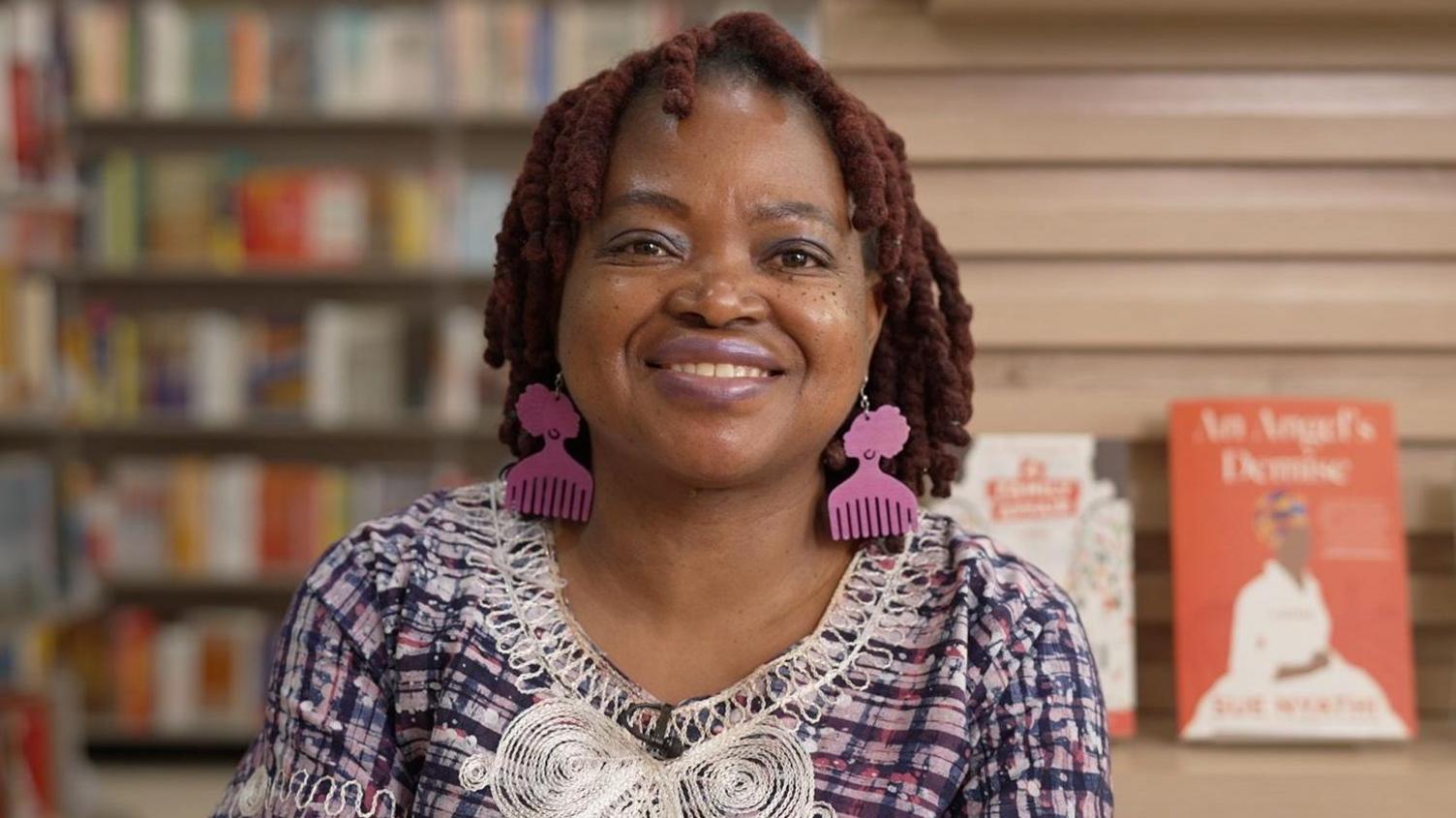
Sue Nyathi broke through the publishing industry’s scepticism by self‑publishing her debut novel, *The Polygamist*, which later inspired a hit Netflix series. The story, set in Zimbabwe but adapted to South Africa, delves into the complexities of polygamy and the lack of agency for the women involved. While the series climbs streaming charts worldwide, it also stirs debate, especially in Kenya, about polygamy’s portrayal and its link to cheating and abuse.
Sue Nyathi once faced a publisher’s refusal, told the novel had no market, and chose to publish the first 500 copies herself. The book exploded, proving that the market existed. Year on year the novel grew, and eventually the author saw the headline: the story was adapted into a Netflix series that ranks in the top‑10 most streamed shows in over 60 countries, including second place in the United States.
While the novel’s narrative is set in Zimbabwe, the adaptation moves the story to South Africa and is filmed in Zulu with English subtitles. The series stays very close to the original themes – the entangled relationships of a male protagonist, Jonasi, with three wives, and the women’s struggle for autonomy. The show has sparked conversation about modern polygamy and the deep gender inequities that exist in many societies.
Nyathi, who grew up with a family that historically practiced polygamy, warns against the modernised form of the practice. In her view, many men present themselves as monogamous yet keep secret spouses and homes, a practice she calls a “polygamy of deception.” She says the novel does not sympathise with that hidden side of the custom but rather highlights women’s lack of agency, describing that violence in these household structures is often hidden until the women realise the truth of the situation.
The media response reflects this tension. While some viewers praised the show for its candid exploration of black African wealth and the voices of women, others, such as Kenyan civil servant Geoffrey Mosiria, called for a ban, accusing it of equating polygamy with cheating and abuse. Nyathi remains unfazed, asserting that culture evolves and the novel illuminates that evolution.
For the writer, success came after a labour‑intensive journey. She spent nearly 20 years as a finance professional before leaving full‑time to write. “Writing is a luxury,” she says, “but it fuels the passion when challenges arise.” Her goal remains to give voice to the unheard and to authentically portray the realities of women in polygamous relationships.
“This is not just a show; it’s a reflection of many people’s lived realities,” she says to a room full of readers who feel a direct resonance with the characters.