In brief
Across cities from Columbus to Chicago, makers of backyard‑made fentanyl blend the potent drug with xylazine and medetomidine, creating a deadly cocktail that standard naloxone cannot stop. Overdose spikes have forced jails to scan incoming mail for moisture‑laden contraband, while street users suffer from terrifying sways, black‑out pits and life‑threatening skin ulcers. Recovery groups such as Hope Dealer Community and Liv4Lali are stepping in, offering testing strips and counseling, but the crisis continues to shift from heroin to a new class of uncontrollable synthetics. City officials and health agencies warn that only comprehensive substance‑use treatment and tighter enforcement can begin to curb the wave.
The United States was once dealing with a heroin wave, then the pain‑killer crisis. The latest chapter is a surge of homemade synthetic opioids, with feds estimating 50‑to‑100 times the power of heroin. They arrive in streets and cells in cluttered tins, with Xylazine and Medetomidine slipped in to keep users sedated longer.
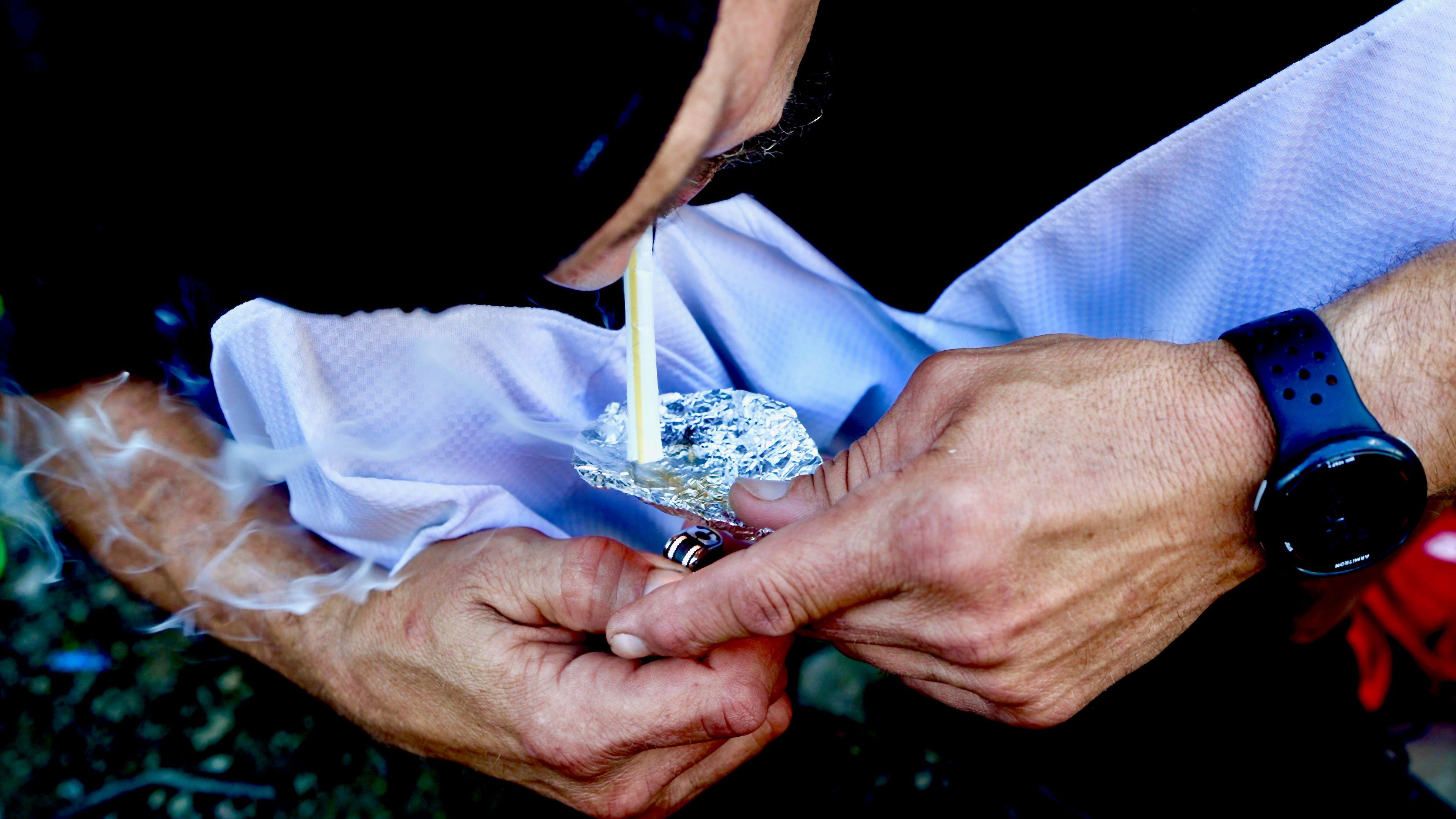
In Columbus’s Linden neighborhood, 48‑year‑old Mike rolled a few grains of furrtok on silver foil, lit them with a cheaper lighter and inhaled a fog that curled around his ears. He described the hit as “like a gunshot, you can’t take it back.” His story is echoed across local pawn shops and gas stations; he tells us that his addiction stretches back 20 years and feeds on a market of unlabelled powders.
The drugs are not just stronger. They are more lethal. When xylazine, a veterinary tranquilant, or medetomidine, its chemically similar cousin, mix with fentanyl, the usual opioid reversal spray can no longer match the depressant effect, leaving breathing dangerously slow. Victims leave trails of necrotic ulcers, a hallmark of xylazine use.
Recovery groups such as the Hope Dealer Community in Columbus feed on highs and losses. At a weekly talk at Glenwood Church, members share personal stories—one of a nephew who died alone, one of a volunteer who has been sober for 17 years—underscoring the public‑health cost of invisible additives in street drugs.
Public‑safety agencies are scrambling. Cook County’s jail has had to sweep books and letters for hidden moist contraband; between one‑quarter and one‑fifth test positive and are removed, as inmates light soaked paper in cell kitchens. Each month, more inmates die from seizures triggered by undetected synthetic mixtures.
Health officials warn that the pandemic style treatment of the synthetic wave demands more than enforcement. Sheriff Tom Dart says, “victory won’t come from the supply side alone.” He calls for desperately‑needed substance‑use programmes inside jails and across communities.
In Chicago’s Oak Park, a free naloxone machine sits beside a street vending unit; nearby a wheelchair‑bound man bears wounds that could trace back to xylazine. A recovery worker, Karen Bell, now clean after 17 years of heroin use, says people no longer know what they’re buying and the risk has jumped dramatically.
The crisis is a generational cycle of poverty, mental‑health costs and drug addiction, highlighted by Karen’s own story of a suicide‑attempt, a pregnancy that saved her life, and a daughter who will apply her own choices to avoid the spiral.
The new war on drugs is a war fought in basements, on rooftops and in cells. The only hope lies in layered responses: tighter controls, widespread testing for adulterants, community‑driven outreach and pathways back to treatment before the next wave arrives again.