In brief
Documenting the civil war in Sudan has become a monumental challenge for many, including journalist Mohamed Suleiman. After enduring a communications blackout during a prolonged siege, Suleiman recounts the emotional turmoil of learning about friends and colleagues lost to the violence. His journey to Port Sudan marks the beginning of a new struggle to communicate the harsh realities of life amidst a brutal conflict that has displaced millions and created a humanitarian crisis in one of the world's troubled regions.
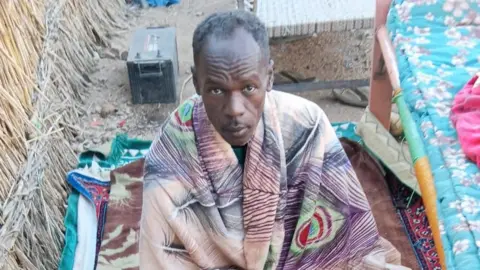
Soon after Mohamed Suleiman entered the telecoms office in Port Sudan on January 13, he started to cry. He hadn't heard his phone ring throughout most of Sudan's civil war, which erupted following a power struggle between the army and paramilitary forces. Suleiman had been trapped in the western city of el-Fasher, cut off from the outside world due to a communications blackout, preventing him from relaying the catastrophic events unfolding around him.Upon inserting a new SIM card, his phone sprang to life with three years of missed messages, each ping echoing tales of loss and despair from colleagues and friends. Many feared he was dead, reflecting an almost suffocating silence that prevailed over the violence of the civil war.El-Fasher had witnessed brutality that marked one of the darkest chapters in this ongoing conflict, which rapidly expanded from its origins in Khartoum to the already troubled region of Darfur. The struggles of civilians in this war-torn land echo the stark reality of a humanitarian disaster, with millions displaced and millions more in dire need of assistance.Diplomatic efforts to cease hostilities have fallen flat, leaving Suleiman and countless others grappling with the tragic impact of a war that has divided the nation and cast a shadow over its future. From sorrowful memories of witnessing drone strikes to the fear of losing loved ones, Suleiman's experiences showcase not just the violence but the resilience and enduring spirit of those who continue to narrate their truth amidst chaos.