In brief
Iraq faces a significant health crisis as a severe sandstorm engulfs the country, driving thousands to hospitals and disrupting daily life, highlighting the increasing frequency of such extreme weather events attributed to climate change.
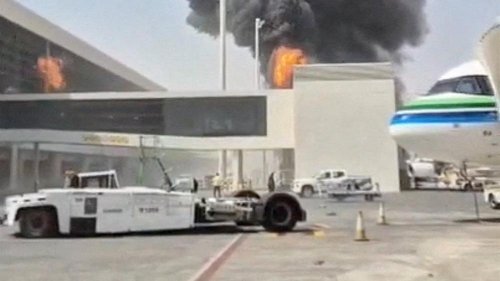
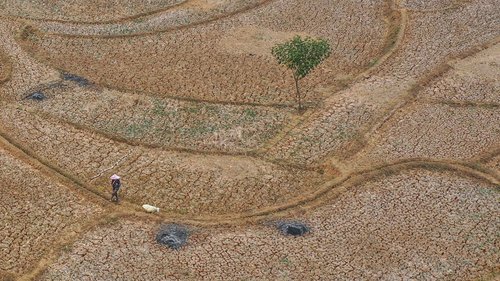
A major sandstorm has struck central and southern Iraq over the past few days, creating eerie orange skies, drastically reducing visibility to under half a mile, and leading to a surge of respiratory cases among the population. Reports indicate that hospitals have seen thousands of patients requiring immediate attention for breathing difficulties as the storms spread from eastern Saudi Arabia, laden with dust and debris.Two key airports were forced to halt all flights due to the unfavorable weather conditions, while the highways in Basra, Iraq's largest southern city, remained nearly deserted as strong winds blew through the area. The Iraqi meteorology department’s spokesman, Amir al-Jabri, attributed the unusual dust conditions to severe weather events originating from desert regions, which have intensified in frequency due to prolonged droughts and desertification across Iraq and Syria.This recent sandstorm is the most severe recorded in Iraq this year, following other notable storms, including a significant one that affected Baghdad in December and multiple cases throughout 2022. The United Nations has identified Iraq as one of the most vulnerable nations to climate change, particularly in relation to rising temperatures and dwindling water availability.Although the sandstorm began to fade, southern Iraq was experiencing extreme heat prior to the storm's arrival, with daily temperatures soaring above 100 degrees Fahrenheit, forcing most people to stay indoors. Health officials reported that emergency rooms received around 3,747 cases of respiratory issues, with over 1,000 incidents documented in Basra alone. Residents used face masks and cloths to protect themselves, especially while working outdoors.Authorities have issued precautions, recommending families calm any concerns among young children about the storm noises to ensure a good night's sleep. The storm's eerie orange dust had infiltrated homes and vehicles, coating surfaces and causing significant disruptions to daily activities, caretaking demands for emergency services, and amplifying the community's health concerns.