In brief
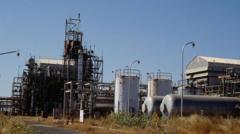
After a 40-year wait, authorities in India have finally begun the removal of hundreds of tonnes of toxic waste from the Union Carbide plant in Bhopal, the site of one of the world's worst industrial disasters.
The toxic waste, consisting of pesticide residue and "forever chemicals", was left to seep into the environment since the gas leak in December 1984, which caused the death of thousands. On Wednesday, officials transported around 337 tonnes of hazardous materials to an incineration facility located about 230km from the site. This action comes after a court imposed a deadline last month for the waste's removal, citing the state's prolonged inaction over the decades. The task of moving the waste commenced on Sunday, with officials employing specialized leak-proof bags. This marked a significant effort to address the environmental degradation that has impacted the local groundwater affecting more than 42 residential areas as per a 2018 study. While officials assured that the transport would occur with high-security measures, including police escorts and ambulances, local activists expressed outrage over the potential health risks posed by the new disposal location. Critics have voiced concerns about previous incineration attempts, which resulted in soil and water contamination. Despite reassurances from authorities that precautions are in place to prevent pollution, activists like Rachna Dhingra from the International Campaign for Justice in Bhopal, warn that this latest move could initiate another environmental crisis in the new area. Estimates indicate that around 1.1 million tonnes of contaminated soil and waste remain in Bhopal, continuing to pose a threat to the local populace. Previous plans to incinerate the waste in different states had been abandoned following intense protests from environmental groups. The Bhopal gas tragedy remains a haunting reminder of industrial negligence, with estimates suggesting that the death toll has surpassed 15,000 over the years. Despite a compensation settlement made by Union Carbide in 1989, many believe true justice remains elusive for the victims still grappling with the consequences of the disaster.