In brief
Fujisawa, a quiet seaside town, is at the center of Japan’s evolving conversation about immigration and cultural identity. The proposal to build the nation’s first mosque has stoked anger, fear, and hope in equal measure. While some residents worry about the unknown, others call for dialogue and understanding. The protests, amplified by social media hate, mirror wider anxieties about Japan’s demographic shift. Yet, voices from local businesses and community leaders suggest that empathy and openness could forge a path towards coexistence.
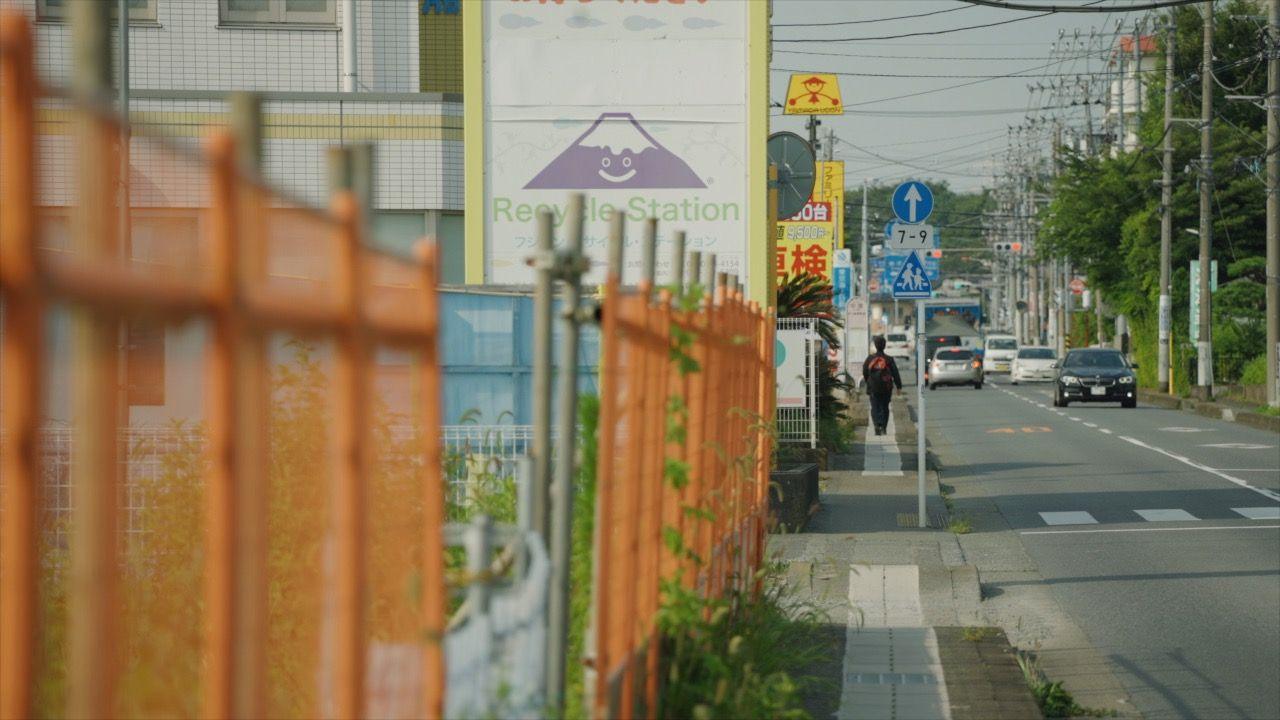
At the edge of a quiet seaside town in Fujisawa, a patch of grass will soon give way to Japan’s first mosque. The idea has ruffled a pot of emotions—ranging from raw fear to cautious optimism—underscoring the country’s lingering struggle with immigration and its cultural identity.
Noriko Izumizawa, a long‑time resident, told reporters that “the thought of a mosque in our town makes me worry about how our community might change.” Her concerns echo those of many locals who see the new religious site as a symbol of a broader, more visible influx of foreign workers and Muslims, a trend Japan has been grappling with for years. This demographic shift has brought multiple cultures, languages, and faiths into cities once seen as homogeneous.
The planning of the mosque sparked protests at Fujisawa’s train station late last year. Thousands of demonstrators lamented that the proposed mosque was “larger than the nearby Shinto shrine and disrespectful to the town’s tradition.” Social media amplified allegations of hate speech, with some users posting misleading content that sparked a national debate. In response, anti‑hate activist groups organized counter‑protests, calling for “no hate” and encouraging support for the Muslim community.
Hiroki Suzuka, who runs a coffee shop on the street where the mosque will stand, said he was “not particularly opposed, but I wouldn’t say I’m strongly in favour either.” He urged townsfolk to “learn about Islam and the values our neighbours hold” before forming opinions, calling for an “open mind and a desire to understand each other.”
The situation in Fujisawa mirrors a larger national trend. By the end of 2024, Japan’s Muslim population had risen to about 420,000—a sharp increase from 230,000 in 2019—thanks largely to foreign workers from China, Vietnam, South Korea, and the Philippines. Although the country continues to tout its unique culture, its immigration policies have become more restrictive, as seen in a recent five‑fold increase in visa fees. Yet officials are also planning to increase enforcement against foreigners who overstay their visas, raising questions about how Japan might balance diversity with its sense of social cohesion.
While some residents of Fujisawa never had a negative encounter with a Muslim neighbour, the fear of the unknown lingers. As the mosque’s construction draws nearer, the town’s experience may become a bellwether for the rest of the country’s journey toward a more diverse yet harmonious society. The debates and dialogues that unfold in Fujisawa could pave the way for a new era of cultural understanding across Japan. "