In brief
Azerbaijan's education ministry announced a rule banning clothing that contradicts its principle of secularism, sparking widespread protests in Baku and southern districts. The ban has drawn international attention, provoking a backlash from Turkey and raising fears of further political co‑ordination with Iran and Israel. The government has detained dozens of protestors, while opposition activists face arrests and digital censorship. Amid growing tensions, civil society groups organise online lessons for students barred from class, while the Kremlin and the Azerbaijani New Azerbaijan Party denounce foreign interference. The dispute highlights the fragile balance between secular governance and religious identity in the region.
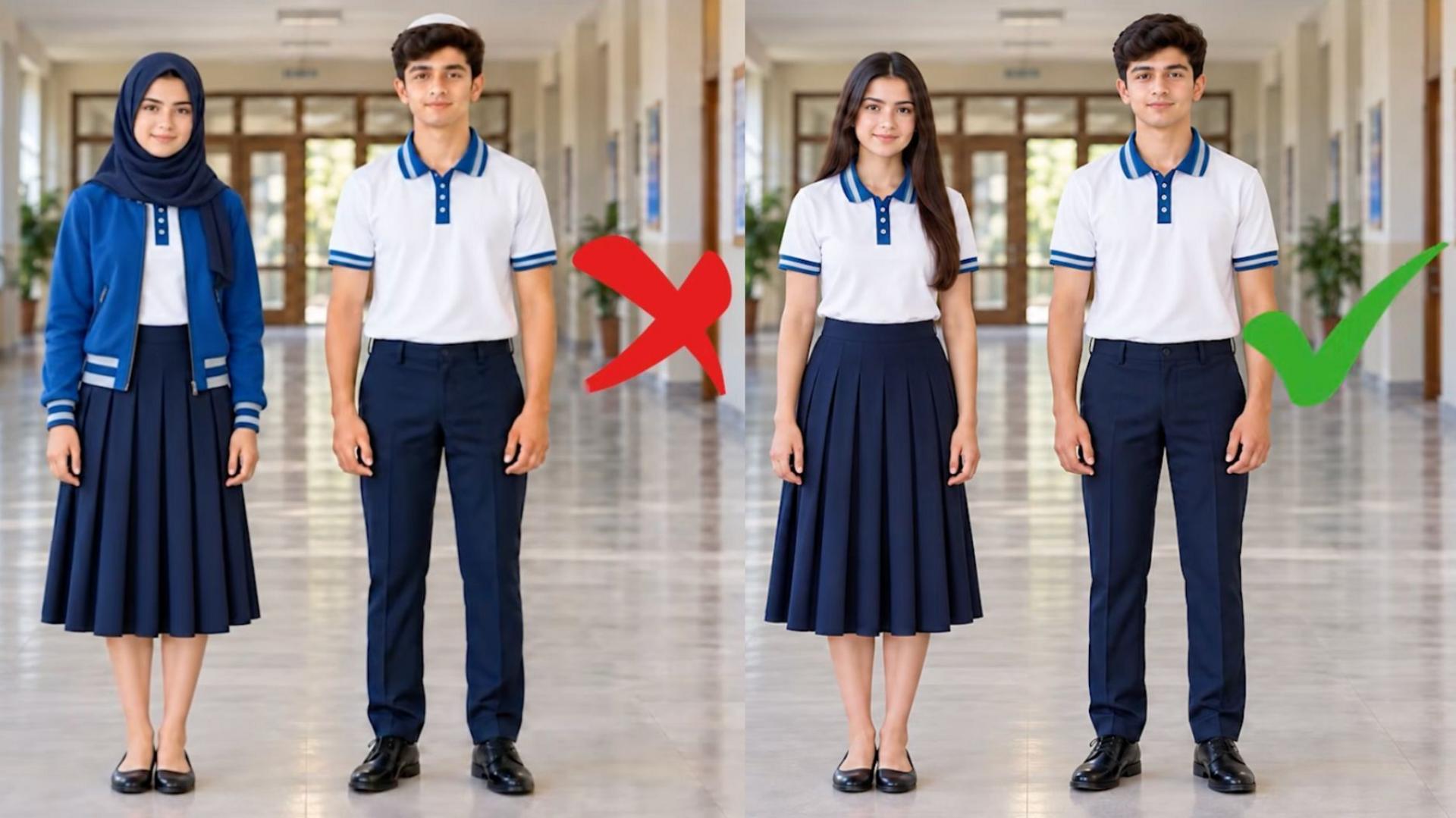
On Monday, the Azerbaijan Ministry of Education began enforcing a new school uniform rule that prohibits clothing “contradicting the principle of secularism in education,” a decision that has unintentionally singled out the hijab. The move has incited the country’s first major public protests in years, with students and parents blocking entrances to state schools in Baku and several southern towns.
The university’s crackdown faced a heavy backlash. Authorities detained 37 people who tried to defend students wearing hijabs, and reports of arrests and threats to parents such as Shahiza Huseynova – whose husband warned her that failure to remove the veil could lead to prison – were widely shared online.
The protest wave has also gathered international attention. Turkey’s President Recep Tayyip Erdoğan and several AK Party MPs criticized the ban, calling it “unacceptable.” The Turkish side is also concerned that the restriction might undermine close Azerbaijani ties to Israel, a key arms supplier, and to Iran, a regional neighbor with a large Azerbaijani‑speaking population.
Baku’s New Azerbaijan Party has denounced Turkish intervention, warning that comments from Ankara “risk harming” bilateral relations. Meanwhile, former students and activists who set up an online learning platform for those barred from school have faced alleged detentions, with the site’s social media pages becoming inaccessible in a broader censorship spike targeting Instagram and TikTok.
The situation underscores the delicate dance Azerbaijan performs between secular governance, religious identity, and foreign diplomacy. With its economy backing on Gulf oil and strategic relations spanning Moscow, Ankara, Tehran, and Tel Aviv, the country remains cautious as it grapples with domestic dissent while maintaining international partnerships.