In brief
Shoko Kawata, the youngest female mayor in Japan’s history, has become the nation’s first elected official to take maternity leave, stepping down for four months with deputy Shigeto Nose assuming her duties. Her announcement ignited a polarized reaction online, with some praising her as a role‑model for women and others accusing her of irresponsibility. Kawata argues that public office should not force women to choose between career and family, while critics cite the need for continuity in city governance. The case has highlighted Japan’s lack of clear legal provisions for female politicians and sparked a broader conversation about gender equality in political representation.
When the mayor of a small town in western Japan announced she was taking maternity leave, she expected only a few raised eyebrows.
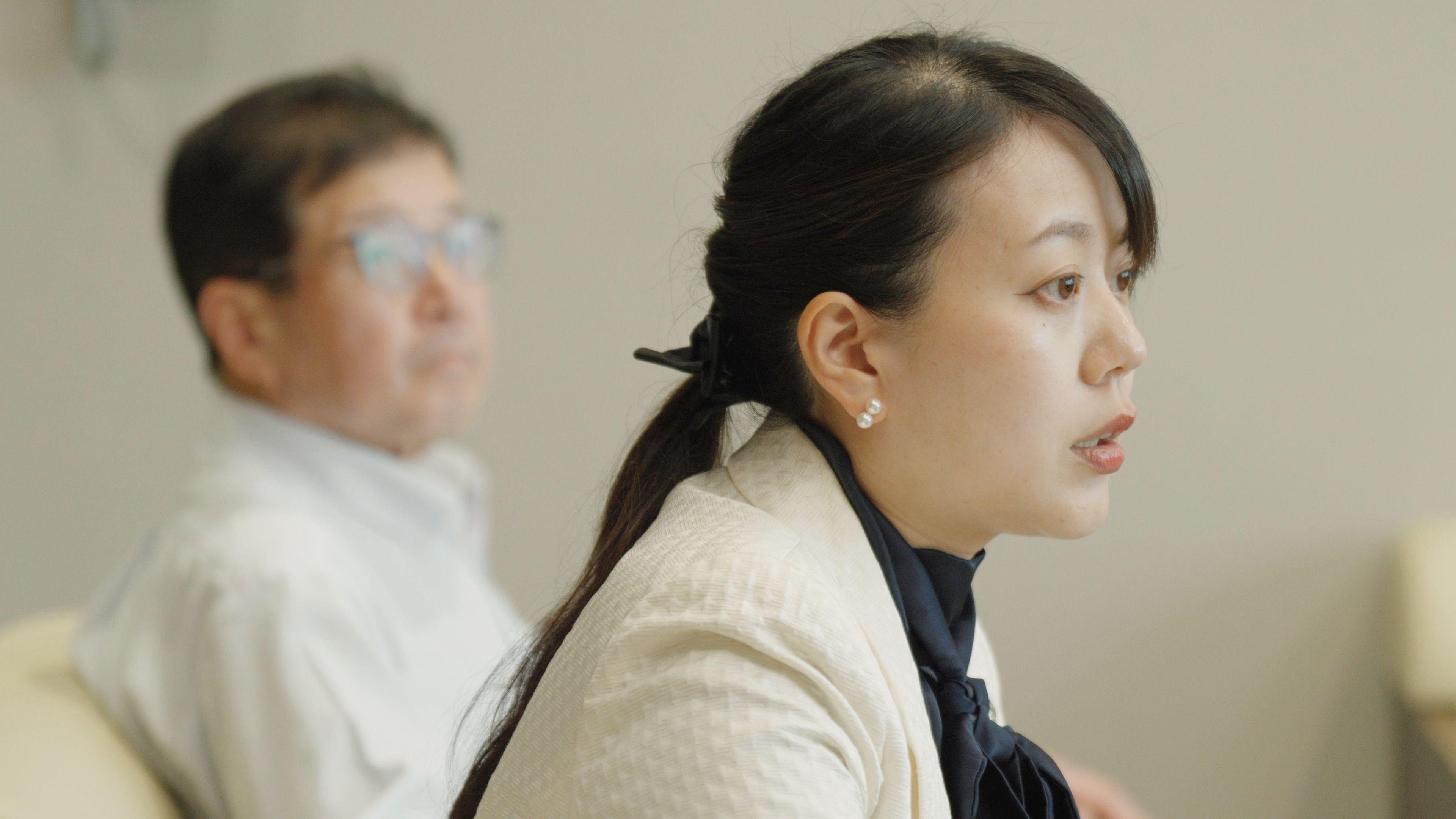
Instead, the response was intense and split, sending Shoko Kawata’s story into national conversation. The 35‑year‑old, who has led Yawata—a town south of Kyoto famous for its shrines and cherry trees—announced a four‑month leave: two months before and two months after her mid‑September due date.
Japan has comprehensive statutory maternity and paternity leave—six weeks for mothers and four weeks for fathers—yet political leaders rarely exercise these rights. Kawata’s choice put her in the spotlight as the first mayor to actually take such leave.
Her deputy, Shigeto Nose, will assume full mayoral powers during this absence. He will manage city affairs remotely and keep her in the loop each week. “They’re watching to see how a woman can balance childbirth and public work,” Nose told reporters.
Public reactions ranged from support for a woman putting family first to accusations that stepping away from public duties was irresponsible. Some online commentators demanded that Kawata resign or have her salary cut while on leave. Others praised the move as an example that could encourage more women to pursue political careers.
Kawata has dismissed criticism, saying that excluding women who can become pregnant removes a significant portion of the population from public office. “If we criticize politicians taking maternity leave, we’re effectively leaving behind all capable women in their twenties to forties,” she said. “We need a society where having a family and a career are compatible.”
The case has prompted discussion about how to ensure continuity of municipal governance during maternity leave. Other female leaders, such as Shinji Ishimaru—the former mayor of Akitakata—advocate using leave as a chance to rethink how public roles can adapt to family responsibilities.
The debate reflects broader constraints on women in Japan’s political sphere, which saw less than 4 % of municipal leaders as women last year. A Cabinet Office survey released in July 2025 identified pregnancy, gender stereotypes and harassment as the greatest barriers to women's political participation.