In brief
Human Rights Watch and Amnesty International have declared that the Israeli airstrike on 22 April 2026 in the town of al‑Tiri that killed journalist Amal Khalil and severely injured Zeinab Faraj was an apparent war crime. The organisations reviewed video, photographs and witness statements, and demanded an independent investigation and that Lebanon accept jurisdiction under the International Criminal Court. Israeli forces denied targeting the journalists, insisting the attacks aimed at Hezbollah operatives, but the evidence shows the women were civilians actively reporting. The incident follows a broader pattern of killed journalists in the region, raising concerns over the protection of media workers in conflict zones.
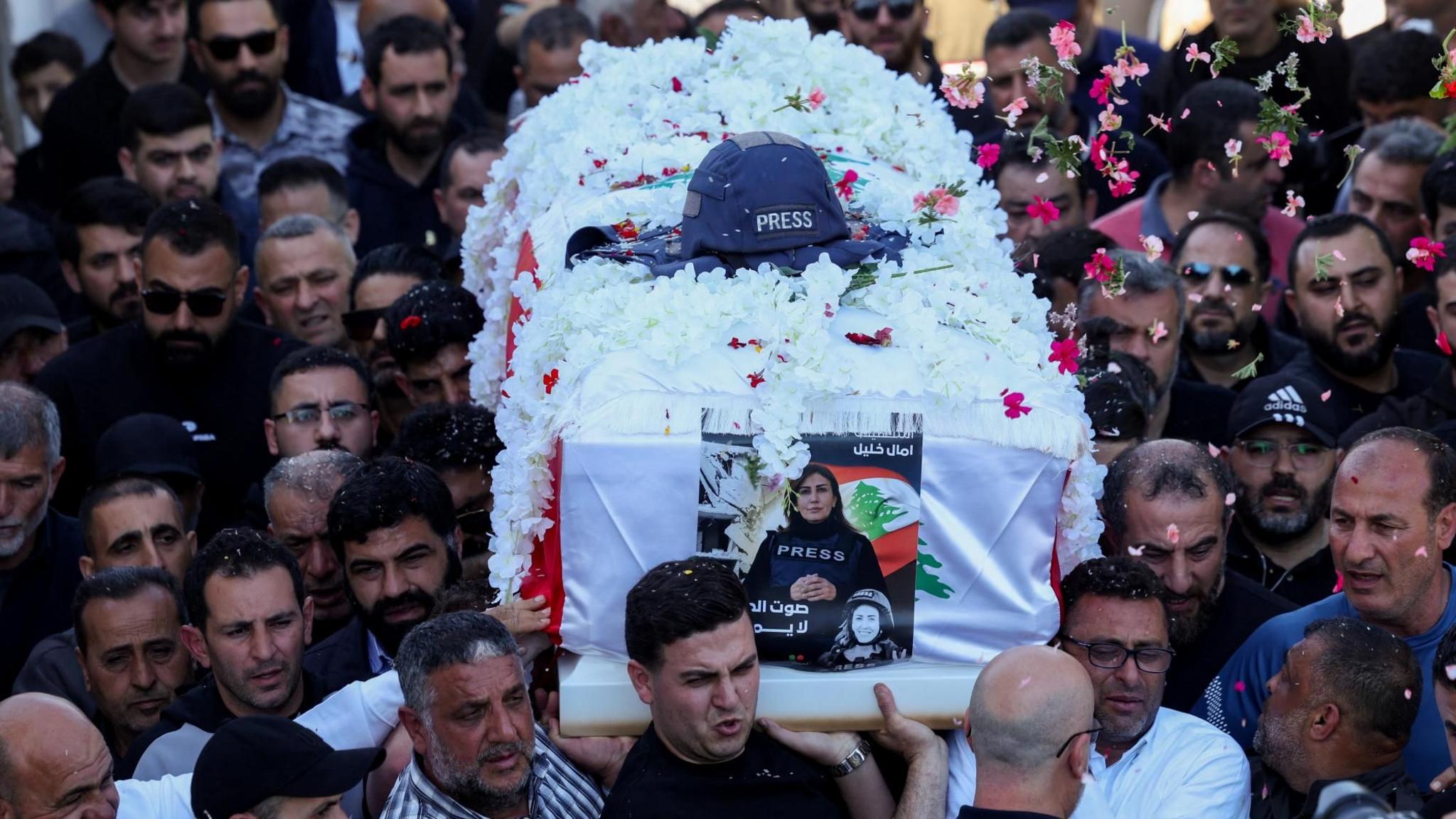
On 22 April 2026, an Israeli airstrike on the southern Lebanese town of al‑Tiri killed Al‑Akbar newspaper reporter Amal Khalil and badly wounded freelance cameraman Zeinab Faraj. Human Rights Watch and Amnesty International have called the attack an apparent war crime, insisting the journalists were deliberately targeted while covering events in the area.
Both organisations reviewed video footage, photographs, witness statements, and communications from the Lebanese Red Cross and the UN peacekeeping force (UNIFIL). Their findings show that the first Israeli strike hit a car in front of the women, killing two men they were familiar with. The injured journalists were forced to seek cover in a nearby building that was later destroyed by additional strikes.
Amnesty’s director for the Middle East, Heba Morayef, warned that "there can be no justification for targeting civilians who sought shelter" and that deliberate attacks on journalists breach international humanitarian law. Human Rights Watch researcher Ramzi Kaiss echoed this sentiment, arguing that repeated targeting of media workers demonstrates “a brazen willingness to commit atrocities without fear of repercussions.”
Israel’s military denied that the women were intended targets, stating the strikes were aimed at Hezbollah operatives. However, investigators identified Israeli quadcopter drones hovering within a meter of the journalists, creating a hostile environment and hindering rescue efforts. The Lebanese Red Cross team was repelled by a drone‑delivered stun grenade and could not recover Mr. Khalil, who died of cardiac arrest a few hours later.
Both rights groups urge an independent inquiry into the incident and request that Lebanon accept jurisdiction under the International Criminal Court to investigate potential war crimes. The Israeli military has expressed regret for any harm caused to journalists but has not provided answers regarding the purpose of the subsequent strikes. This event highlights growing concerns over the safety of journalists in conflict zones, with 27 media workers killed this year in Lebanon and the wider region, according to the Committee to Protect Journalists.``