In brief
Sciences Po Saint-Germain hosts one of France's most unique programs, the Diplôme sur le Renseignement et les Menaces Globales, training both young students and seasoned spies. This collaboration has emerged in response to evolving security threats, fostering a shared learning environment. As the program gains traction among students and business professionals alike, it aims to equip them with skills to navigate complex challenges in intelligence and security.
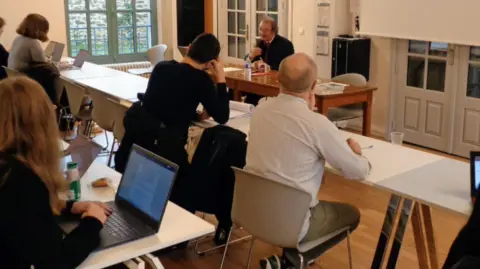
At Sciences Po Saint-Germain on the outskirts of Paris, a unique academic endeavor is unfolding. Here, students and spies converge in a setting that seems tailor-made for espionage training.
Professor Xavier Crettiez, who leads the course, admits that he doesn't often know the real identities of his students. I rarely know the intelligence agents' backgrounds when they are sent on the course, he confides, indicating that many names are likely pseudonyms.
The course, officially termed the Diploma of Intelligence and Global Threats, offers a curriculum designed in collaboration with France's intelligence training institution, the Academie du Renseignement. Launched in response to intense recruitment demands after the 2015 terrorist attacks, it aims to prepare both prospective spies and current intelligence officials.
With dour early 20th-century architecture, the campus boasts an atmosphere both discreet and intimidating, offering an ideal backdrop for spy training. The program merges participants in their early twenties with agents aged anywhere from 35 to 50, creating a distinct educational experience.
The 120-hour course, costing around €5,000, covers pressing topics concerning espionage, from organized crime to political violence. The gender dynamic is also notable, with a recent influx of female students, inspired by a patriotism for their country that differs from previous generations.
As trade and security concerns grow, private sector interest in the program heightens, with companies looking to recruit graduates for critical roles. Interestingly, around half of this year's 28 students in the course are women, a trend attributed to a burgeoning interest in intelligence careers among females.
Overall, this unique academic landscape at Sciences Po Saint-Germain is more than a training ground for spies; it's a reflection of evolving security needs and the fusion of traditional academia with the clandestine world of espionage.