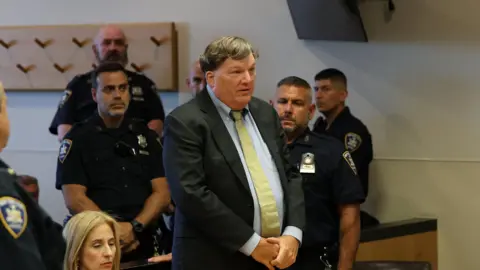
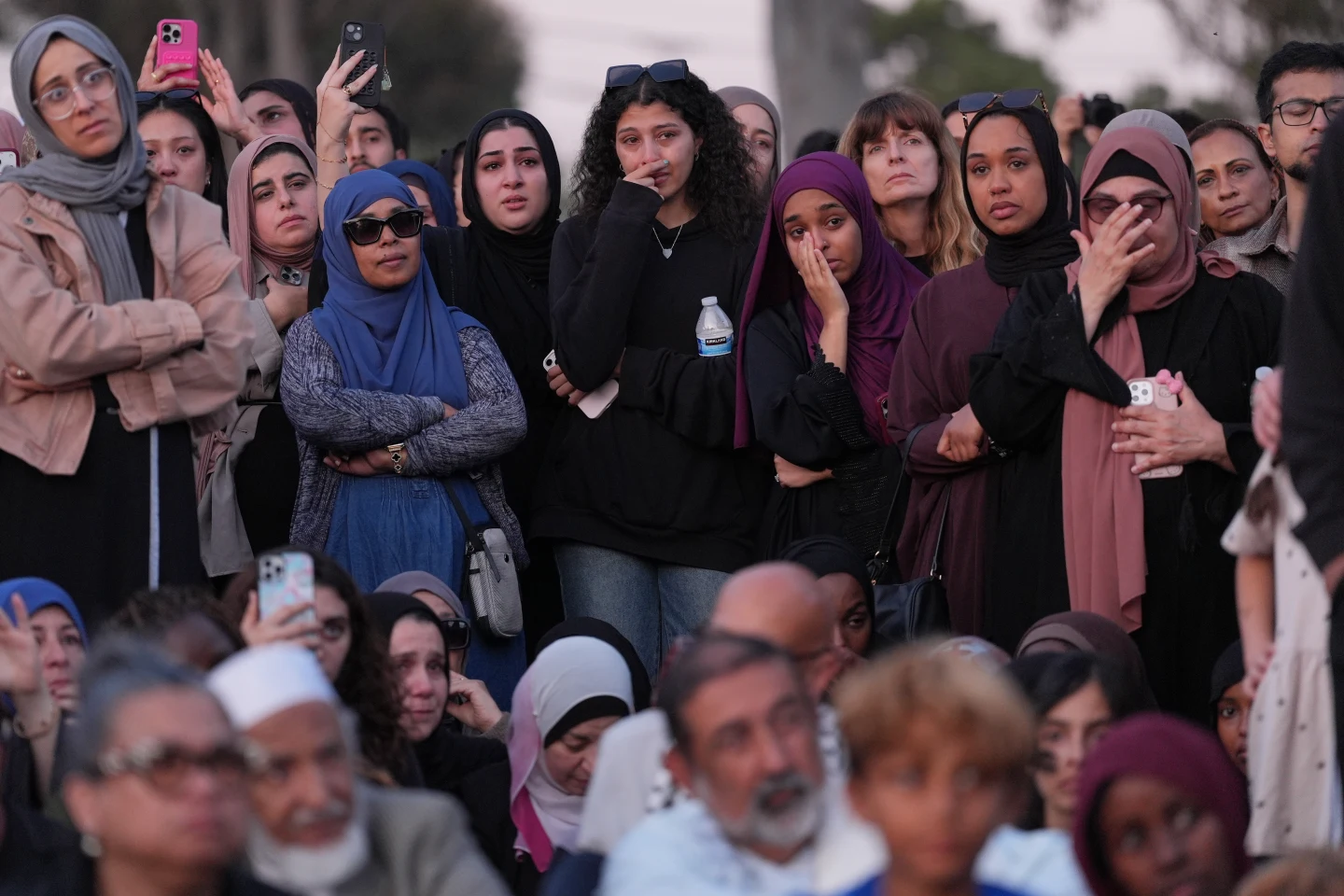
A white supremacist who killed 51 people at two New Zealand mosques will appear in court this week to try to withdraw his guilty plea. Australian Brenton Tarrant is serving a life sentence with no parole after admitting to murdering the 51 people and attempting to murder another 40 in the March 2019 attack on worshippers during Friday prayers in Christchurch. He initially denied the charges but changed his plea a year after the attack. The 35-year-old, who also admitted one count of terrorism, has now launched an appeal, filed out of time, arguing he was incapable of making rational decisions at the time because of 'torturous and inhumane' conditions in prison. He also wants to appeal against his sentence. The hearing at New Zealand's Court of Appeal in Wellington is scheduled to run all week, with Tarrant expected to give evidence via video link. The massacre at Al Noor mosque and Linwood Islamic Centre - parts of which were live-streamed - led to stricter gun laws in New Zealand. Victims and family members will be able to watch the hearing via a delayed broadcast with some family members, like Aya al-Umari, who lost her brother in the attack, expressing disappointment at being forced to relive traumatic memories. The court's decision on his appeal could potentially reopen the case for trial on all charges, which would be a significant moment for the victims’ families.
Christchurch Shooter Appeals Guilty Plea in Court Hearing

Christchurch Shooter Appeals Guilty Plea in Court Hearing
Brenton Tarrant, the perpetrator of the Christchurch mosque shootings that claimed 51 lives, is attempting to withdraw his guilty plea, citing mental incapacity due to prison conditions.
Brenton Tarrant, who was sentenced to life without parole for the Christchurch mosque shootings in 2019, will appear in a New Zealand court this week to appeal his guilty plea. Tarrant argues he was mentally incapacitated at the time of his plea due to harsh prison conditions. The appeal hearings are set to take place throughout the week, with victims' families finding it difficult to relive their trauma as they watch the proceedings.