In brief
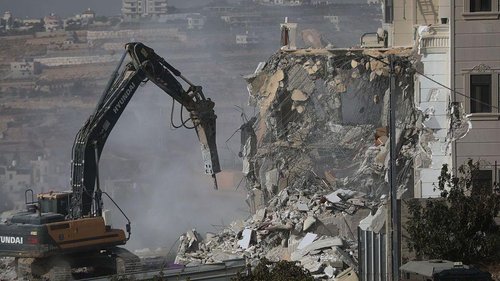
In al‑Mughayyir, a village deep in the West Bank, Israeli settlers repeatedly club the gate of the Abu Alia family, with Palestinian residents under siege each weekend. Israeli soldiers, often standing beside the attackers, fail to intervene or confiscate weapons, while the local army is seen as supporting the settlers. Tension escalates daily, with tear gas, stun grenades, and incidents of stabbings, all amid an international debate over the legality of settler outposts. The violence reflects a broader policy of expanding settlements in the West Bank, helped by state funds and relaxed military engagement rules after the 2023 Hamas attacks. Palestinian families suffer injuries, lost homes, and even deaths, while Israelis argue they are safeguarding national security.
Abu Alia compound, al‑Mughayyir – Every weekend, Israeli settlers pour clubs into the thick metal gate of the Abu Alia family. The banging booms as the gate rings, yet the assault continues, punctuated by insults that echo through the bars.
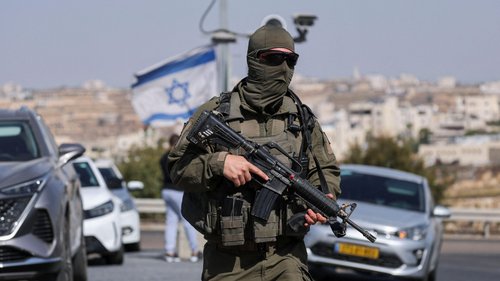
Reporters that day saw Israeli soldiers walking into the village, their boots echoing on cracked asphalt. They watched as teens on foot that same afternoon flank the gate, but rather than arrest the attackers, the soldiers simply signalled them to leave, gestures that were ineffective. The settlers, often teenagers, returned inductively, shattering fence wire and continuing the barrage.
Local Palestinians claim that this is a routine; the gate is a weekly frontline where the Israeli army is called conventionally. Over the past few years, illegal outposts have sprung up around al‑Mughayyir, bolstered by state‑provided roads, electricity and even legal authorisation after they appear.
Backed by the IDF, Israeli soldiers in the region now use live rounds against Palestinians throwing stones—a change introduced after the October 2023 Hamas surge. Yet, blocking access to local medics and journalists is reported as routine: ambulances are stopped, chairs are taken away, and footage is merely denied.
The violence extends beyond the gate: tear gas clouds rise from black‑capped streets, while flash‑bangs dispel the night. Palestinian residents run from the thinned streets, while Israeli outposts stand in close proximity, providing a visible shield of caste.
In one tragedy, a 17‑year‑old Palestinian boy, Fadi al‑Nassan, was shot at the gate during the assault and died a week later, a culmination of a week where he and others endured severe injuries, fires and fatal gunshots.