In brief
Veteran Jonny Burnell, who served 111 days on the aircraft carrier USS Carl Vinson during the Afghanistan conflict, reflects on the harsh reality of life at sea. He points to growing concerns about food supplies, broken plumbing and mental‑health issues on the USS Abraham Lincoln, which has been in the Iran region since December. While media reports claim severe hardship and even suicide attempts, Navy officials and a veteran association dismiss the allegations as exaggerated. The article examines the balance between official statements, family worries, and on‑board challenges in a warship environment.
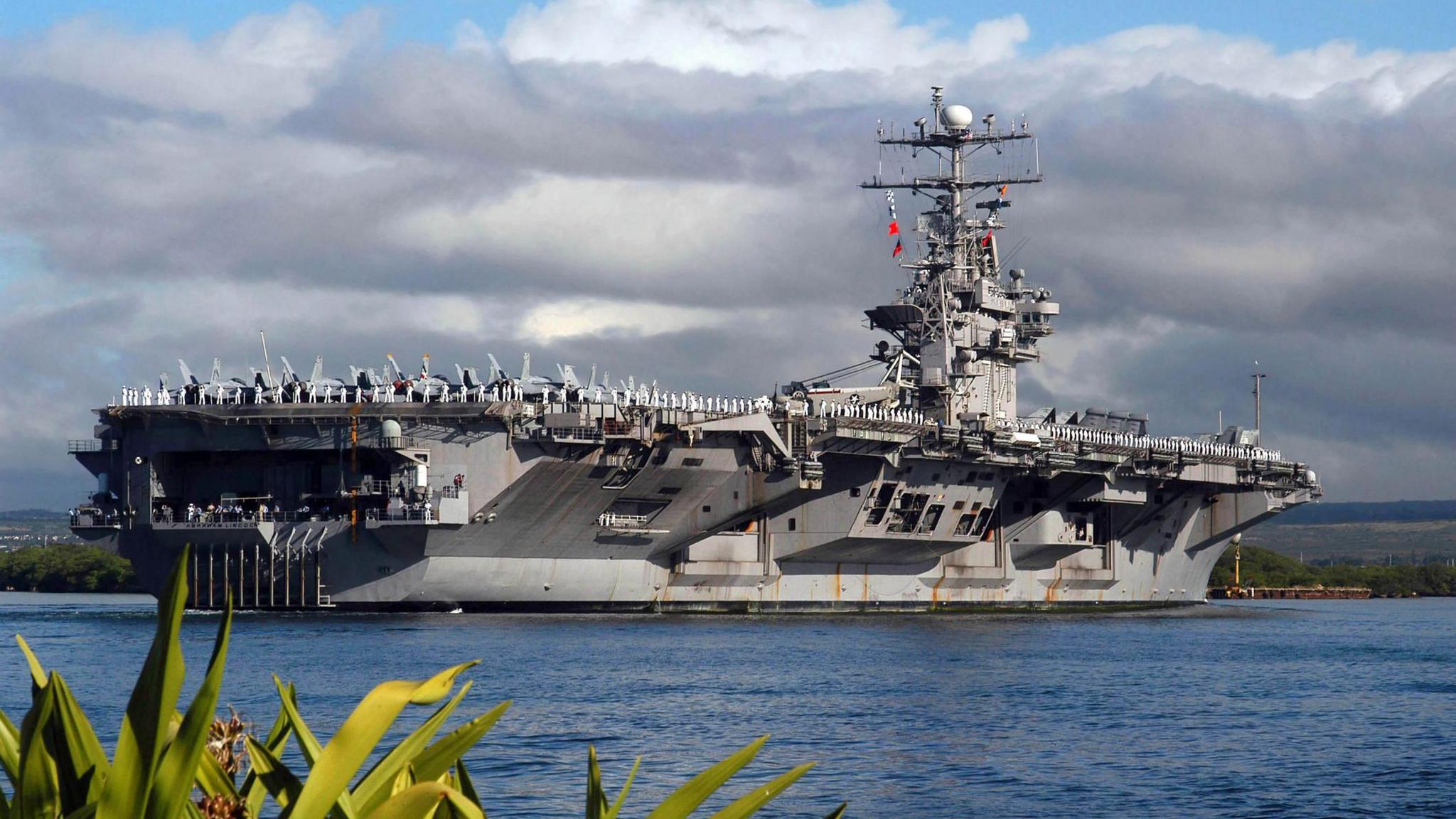
Jonny Burnell spent 111 days aboard the USS Carl Vinson during the US war in Afghanistan. As a Navy photographer, he had access to ships’ crew across all parts of the vessel—something most sailors never experience. “I saw a shift from excitement to a kind of visible sadness,” he says. The photographer’s eye cracked wide open to new troubles aboard the Lincoln, a ship that has been on a prolonged deployment in the Middle East since 11 December.
Reports from the Military Times and Stars & Stripes have pointed to severe shortages of food, broken plumbing and crew exhaustion aboard the Lincoln. Families of sailors have voiced alarms, in some cases claiming that crew members have attempted to jump overboard. Those claims, however, have been denied by Navy officials and by retired Lieutenant Commander Steve Rogers, head of the Association of the United States Navy (AUSN), who calls the allegations “99% hype.”
Burnell quotes a relative of a Lincoln sailor who has lost 65 lbs (29 kg) and reports exhaustion from constant noise and vibrations. In contrast, his own time on the Vinson involved a cramped “coffin rack” berth with only a narrow space to move and a never‑ending flow of motor, gunfire and aircraft operations. He describes the ship’s experience as “a floating prison” full of relentless sounds.
The Navy’s position is that logistics and maintenance issues are temporary and that the crew is fully prepared for any scenario. On 12 August, President Trump dismissed the reports as an overblown crisis to keep morale low, noting the ship’s deployment is “not nearly long enough.” Central Command’s spokesperson Admiral Brad Cooper added that the ship has one of the lowest cases linked to mental health among the US fleet’s 11 active carriers, but warned that “service at sea for long periods isn’t for everyone.”
CNN’s recent three‑day aboard visit found no widespread problems; while some crew had to ration food, the commander recovered that “food was plentiful” and showers were only slightly hot. However, past incidents—such as suicides on the George Washington in 2022—highlight the ongoing need for mental‑health support. Dr. Harold Kudler, a former VA mental‑health policy head, notes that isolation and extreme alertness aboard ship can amplify mental‑health struggles, and that the Navy must look deeper into maintenance and readiness plans.
Burnell’s account is a reminder that life on a warship is not just about fighting an enemy. Whether the fog of controversy is real or exaggerated, the reality is that sailors can experience boredom, anxiety, and depression even when embedded in tight, noisy, and physically exhausting environments. Navy veterans echo that the ship’s crew is conducted well, yet the tension remains: if conditions are as bad as some reports say, the ship’s mission could be jeopardised.