Indie Activist Sonam Wangchuk Hospitalised After 20-Day Hunger Strike
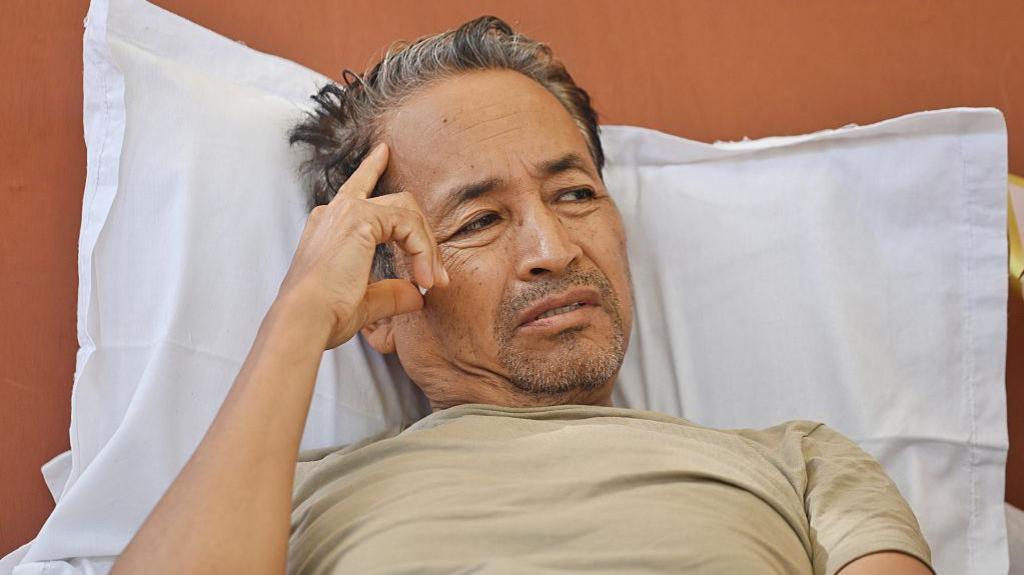
In a dramatic turn of events on Saturday, 59‑year‑old Indian educator Sonam Wangchuk was forcibly removed from the protest stage at Delhi’s historic Jantar Mantar and brought to a government hospital for medical treatment, after a 20‑day hunger strike.
Wangchuk had been fasting since early May as part of the satirical online movement “Cockroach Janta Party” (CJP), demanding urgent reforms in India’s education system. The fast had seen him lose over nine kilos and was aimed at forcing the resignation of Education Minister Dharmendra Pradhan following a high‑profile paper‑leak scandal during the NEET‑UG 2026 medical entrance exams.
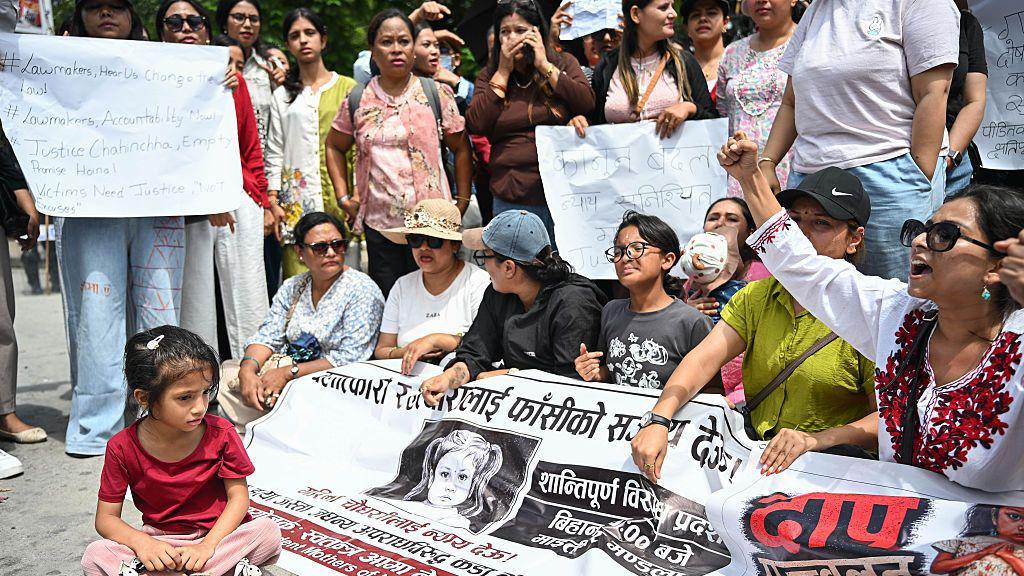
The protest, staged outside Parliament, was intended to culminate in a peaceful march, but police intervention and a court order forced Wangchuk to be moved to the hospital under medical supervision. Deputy Commissioner of Police Sachin Sharma confirmed that the move complied with a Delhi High Court ruling “to monitor his health regularly and provide treatment if required.”
Wangchuk’s friend and CJP founder Abhijeet Dipke told reporters that nobody was informed where he was taken. He said Wangchuk had refused to end his fast despite pleas from students and civil‑society leaders, and still aimed to join the protestors in the planned parliamentary march.
The CJP, which sprang up in May online, has amassed a large following on social media and has called for the earlier cancellation of the NEET exam because of the paper leak. A key demand is the resignation of Minister Pradhan and a full overhaul of the exam system. Pradhan dismissed the protestors, branding them as “the B‑team of disruptive elements.”
The opposition was quick to step in, with former Delhi Chief Minister and Aam Aadmi Party leader Arvind Kejriwal meeting Wangchuk and urging the government to engage with the protestors. He appealed for a complete conversation with the student community, calling for Pradhan’s removal.
Whether the CJP will still march to Parliament remains uncertain, but Wangchuk’s medical condition puts his participation into question. The protest continues to spotlight the deep frustrations around exam integrity and the state’s response to systemic flaws.
For more insight into the growing trend of hunger strikes in Indian politics, see Why Indians still turn to the hunger strike.