A proposal to redraw Indiana’s congressional boundaries faces its first public test in the state Senate on Monday, with no clarity on whether it can pass a final vote later in the week despite months of pressure from President Donald Trump.
Senators are set to act on a bill designed to favor GOP candidates in the upcoming midterm elections. However, many Republicans in the controlling chamber have shown hesitation or outright opposition to mid-decade redistricting, with some facing threats for their lack of support.
The anticipated committee hearing on Monday may reveal the intentions of various senators in the face of such challenges. The proposed map, recently passed by the Republican supermajority in the state House, significantly alters the landscape in Indiana by splitting Indianapolis into four districts and coupling urban areas like East Chicago and Gary with broader rural regions.
These changes would effectively eliminate districts held by the state's two Democratic representatives—André Carson and Frank Mrvan. Carson, notably, is Indiana’s only Black congressman.
The stakes are high as Republicans currently hold seven of the nine districts in Indiana, and Democrats are aiming to reclaim control of the U.S. House in the 2026 elections, keen to leverage shifts in political favor that typically accompany midterm cycles.
While redistricting traditionally occurs following a census every decade, Trump's influence incites efforts in Republican-led states to create more advantageous districts. This has generated a ripple effect in several states, including Texas and North Carolina, while inciting reactions from Democrats in places like California.
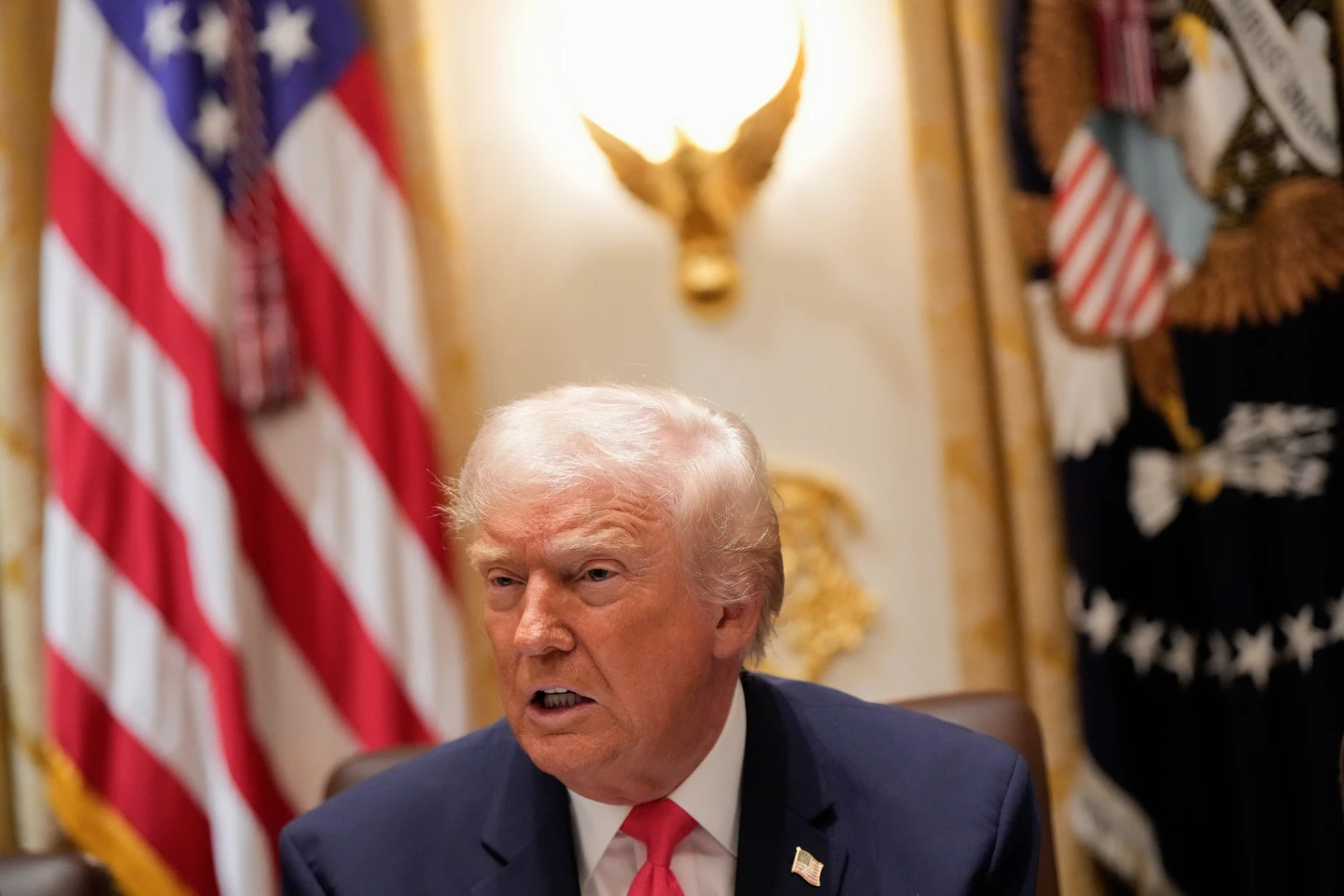
As the deadline for candidacy filings looms in early February, the pressure mounts on Indiana senators, with Vice President JD Vance and Trump pushing for support from the state's legislative leaders. The implications of the redistricting decision could significantly impact the political landscape, elevating the urgency of the upcoming Senate vote.
Senators are set to act on a bill designed to favor GOP candidates in the upcoming midterm elections. However, many Republicans in the controlling chamber have shown hesitation or outright opposition to mid-decade redistricting, with some facing threats for their lack of support.
The anticipated committee hearing on Monday may reveal the intentions of various senators in the face of such challenges. The proposed map, recently passed by the Republican supermajority in the state House, significantly alters the landscape in Indiana by splitting Indianapolis into four districts and coupling urban areas like East Chicago and Gary with broader rural regions.
These changes would effectively eliminate districts held by the state's two Democratic representatives—André Carson and Frank Mrvan. Carson, notably, is Indiana’s only Black congressman.
The stakes are high as Republicans currently hold seven of the nine districts in Indiana, and Democrats are aiming to reclaim control of the U.S. House in the 2026 elections, keen to leverage shifts in political favor that typically accompany midterm cycles.
While redistricting traditionally occurs following a census every decade, Trump's influence incites efforts in Republican-led states to create more advantageous districts. This has generated a ripple effect in several states, including Texas and North Carolina, while inciting reactions from Democrats in places like California.
As the deadline for candidacy filings looms in early February, the pressure mounts on Indiana senators, with Vice President JD Vance and Trump pushing for support from the state's legislative leaders. The implications of the redistricting decision could significantly impact the political landscape, elevating the urgency of the upcoming Senate vote.