In brief
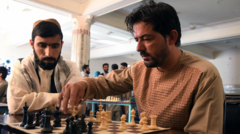
In a significant shift for leisure activities in Afghanistan, the Taliban government has imposed an indefinite ban on chess, citing concerns that the game may be a gateway to gambling.
The Taliban's ruling comes as part of broader restrictions on sports and entertainment since reinstating power in August 2021. Recently, officials declared that chess is incompatible with Islamic principles, leading to the suspension of all chess-related activities until further assessments can be made. Atal Mashwani, spokesperson for the Taliban's sports directorate, stated, "Chess in Islamic sharia law is considered a means of gambling," underlining the regime's commitment to interpreting sports within its strict doctrinal framework. The ban follows previous prohibitions on mixed martial arts, which officials labeled too violent and conflicting with Islamic teachings. The ban's impact is felt deeply by local communities. Azizullah Gulzada, a cafe owner in Kabul who has hosted chess gatherings for young enthusiasts, expressed concern over the decision's effect on his business and the limited recreational outlets for youth in the area. The social fabric that chess provided to young people has been significantly disrupted, limiting their opportunities for engagement.While such restrictions might be justified under the government’s interpretation of Islam, critics point out that chess is embraced in other majority-Muslim countries where it thrives as a strategic, intellectual pursuit.As the Taliban navigates its governance, the fallout from such decisions continues to shape Afghanistan's cultural landscape, marking a stark departure from the recreational freedoms many once enjoyed.