In brief
The International Criminal Court voted on 24 July to remove chief prosecutor Karim Khan, who faced allegations of a serious breach of duty including an improper relationship with a junior staff member. Khan, elected in 2021, denied the accusations and will challenge the decision through legal channels. The dismissal, accepted by 82 votes, casts a spotlight on internal divisions and external pressure from countries like the United States that have sought to undermine the ICC. The controversy underscores the court’s vulnerability to political forces and the potential impact on its capacity to prosecute war crimes.
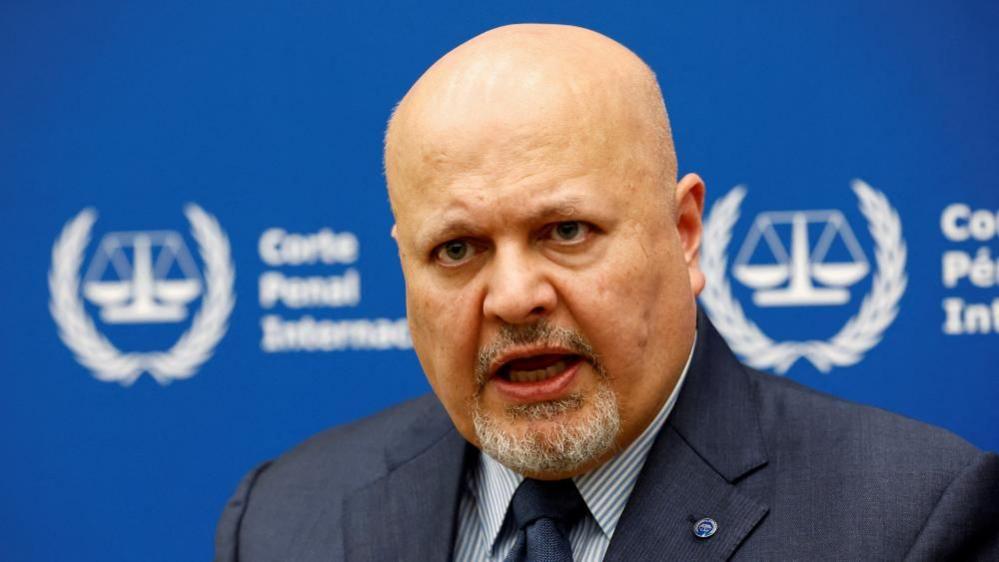
The International Criminal Court (ICC) has officially dismissed its third chief prosecutor, Karim Khan, following a vote by 125 member states. The decision, adopted with 82 votes in favour, was based on findings of a serious breach of duty and misconduct.
Khan, elected in 2021, was suspended last month. The ICC’s supervisory body concluded that he had engaged in an improper sexual relationship with a junior staff member and attempted to suppress her complaint.
He has repeatedly denied the allegations and his counsel says he will challenge the legality and fairness of the dismissal through all available legal channels. Details of remaining recourse remain unclear.
In a statement following the vote, the ICC underscored its commitment to “maintaining a safe, inclusive, and respectful working environment” for all personnel. The process highlights internal divisions and broader political pressure to lessen or dismantle the crime‑trial body.
Khan has been on voluntary leave since May 2025 to address the allegations and is currently barred from practising law in the UK after the Bar Standards Board imposed an interim ban. He could not attend the UN‑HQ vote in New York because U.S. sanctions, imposed under the Trump administration, forbid his entry.
The situation unfolded during a period of heightened tension. In May 2024 a third‑party report triggered an investigation by the ICC’s Independent Oversight Mechanism, which closed after the complainant declined to cooperate. A second referral in October 2024 transferred the case to the UN Office of Internal Oversight Services, which compiled more than 5,000 pages of evidence.
The findings were reviewed by a panel of three judges who assessed whether Khan’s conduct amounted to serious, less serious, or no misconduct.
Politically, the United States has increased hostility toward the ICC, sanctioning Khan after he sought arrest warrants for Israeli officials linked to alleged war crimes in Gaza. The U.S. has also launched a “whole‑of‑government” effort to erode the ICC’s influence through visa bans and diplomatic pressure on allies.
Although the United States, Russia, and Israel are not ICC members, the court can exercise jurisdiction over crimes committed by nationals of these countries on the territory of member states, adding further stakes to the controversy.