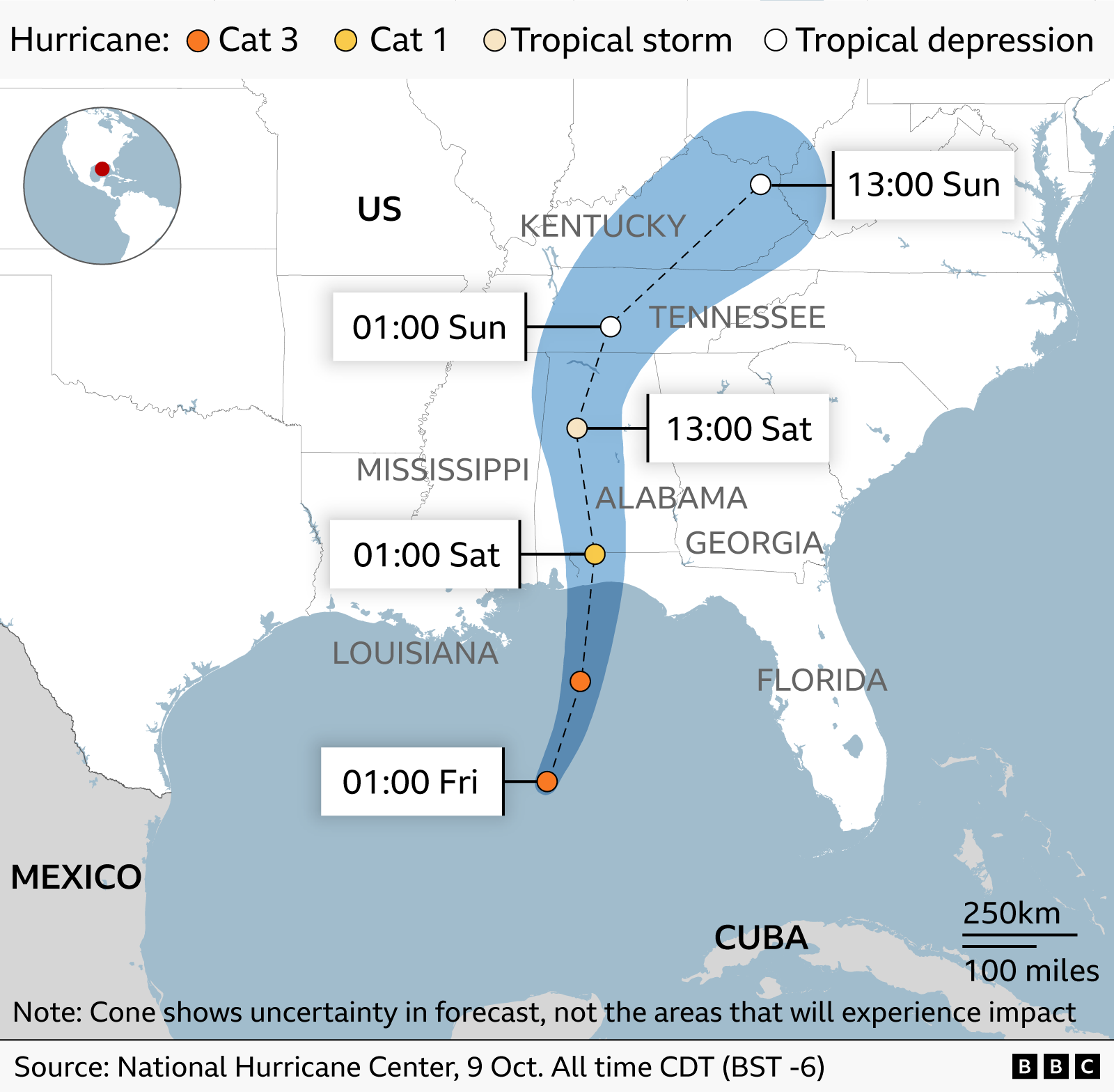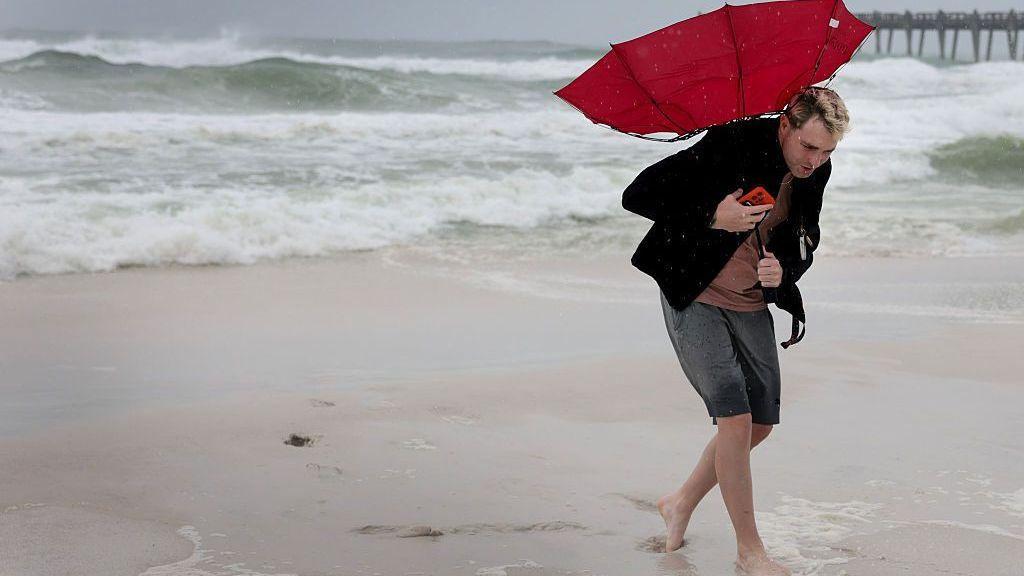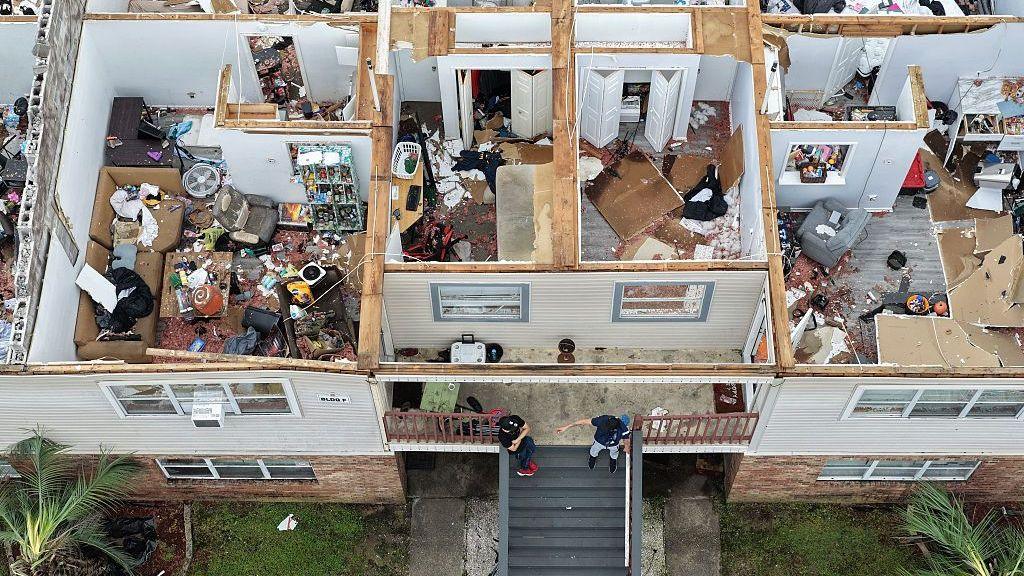
Hurricane Isaias struck the southeastern United States late Friday night, delivering winds of up to 105 mph and heavy rainfall that battered Alabama, Florida, and Georgia.

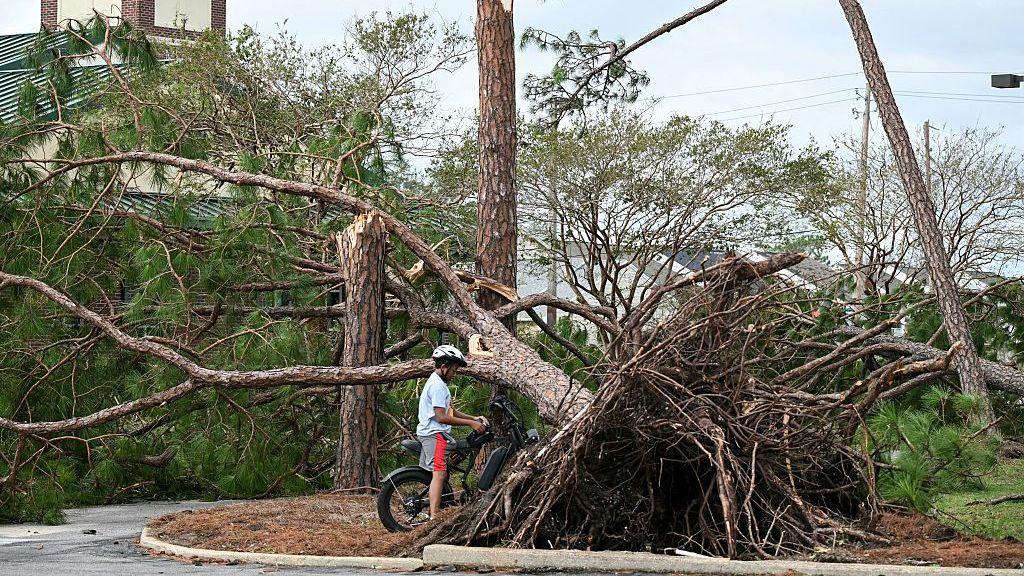
The storm’s fierce winds toppled trees and ripped roofs, leaving an estimated 500,000 households without power as it swept across the region.
Officials reported two deaths each in Alabama and Florida. In Florida, a woman was killed when a tree collapsed on her house, while a man died from carbon‑monoxide poisoning after running a generator in an unvented garage.
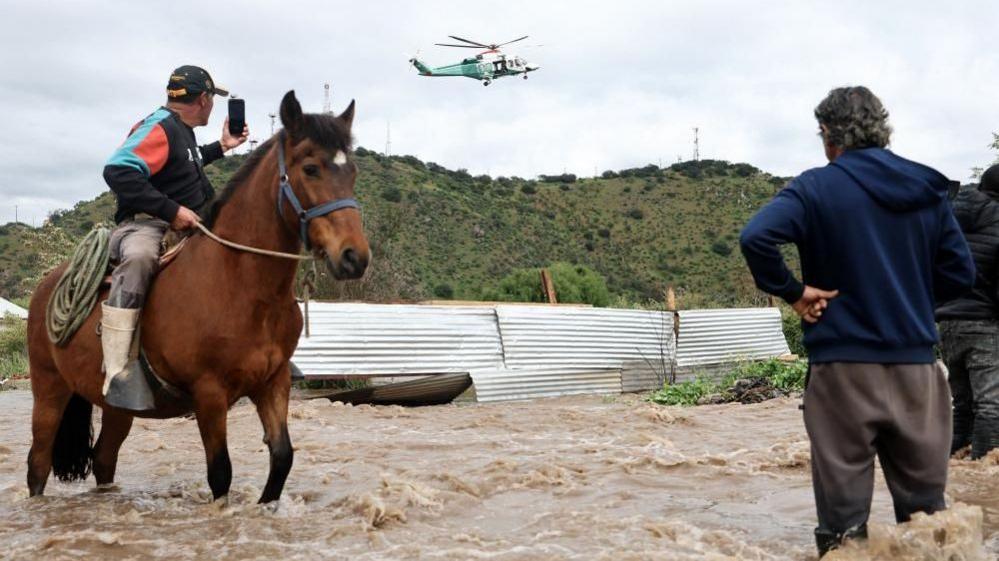
State leaders declared emergencies and ordered mandatory evacuations in high‑risk zones. Florida Governor Ron DeSantis warned that flooding remained a hazardous threat, and the National Guard rescued people trapped in flooded vehicles.
Alabama’s Governor Kay Ivey highlighted concerns about potential spinoff tornadoes and urged residents to stay informed as conditions evolved.
The National Oceanic and Atmospheric Administration warned that the Carolinas and Georgia could see up to 10 inches of rainfall, sparking further flood risks.
While Isaias weakened along its path, other Pacific storms loom: Hurricane Simon is poised to strike Mexico’s coast as a Category 4 and Tropical Storm Rachel threatens southern California.