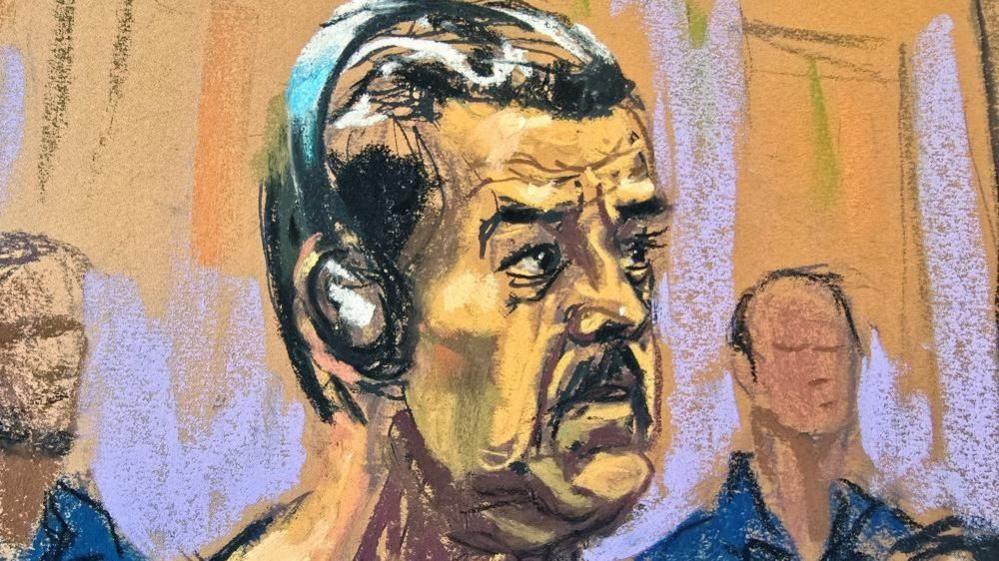
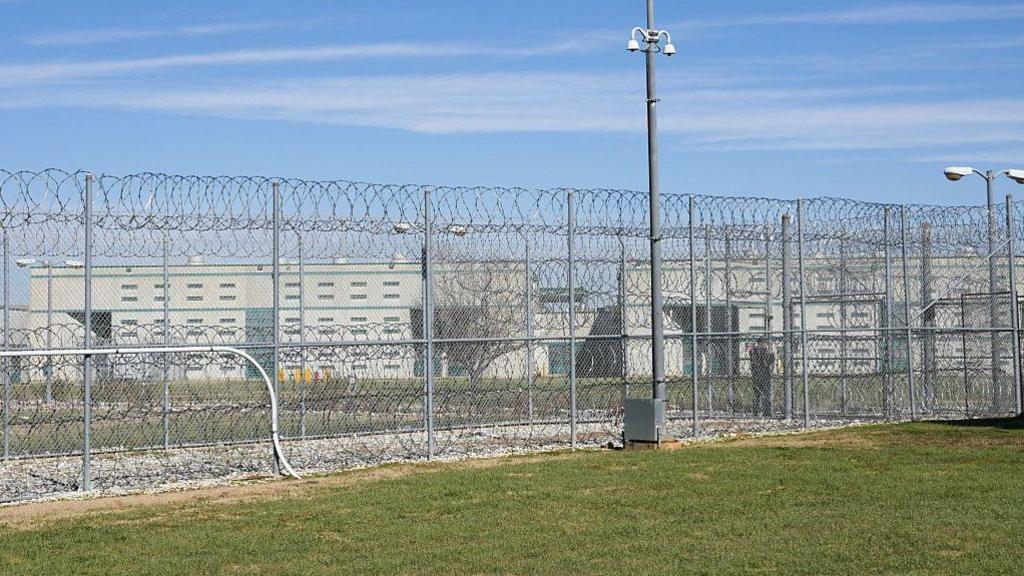
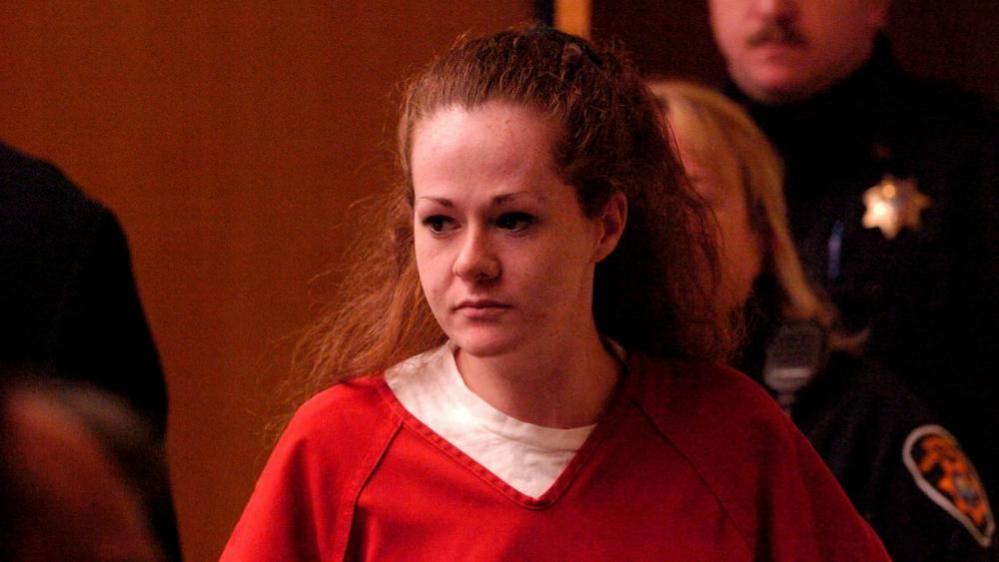
In a shocking turn of events, Christa Pike, 50, survived two lethal injections on 30 September after being sentenced to death in 1995 for a murder committed with a then‑boyfriend. Experts called the outcome unprecedented and it has thrust the death penalty back into the national spotlight.
The failed execution has provoked fresh discussion among journalists, attorneys and ordinary citizens. Many express uncertainty about whether lethal injection is the safest or most reliable method to carry out a state‑sanctioned death.
Surveys gathered during the crisis show that about 60% of Americans say they support carrying out the death penalty, while roughly 35% oppose it. Those who favor it cite deterrence and retribution, whereas opponents point to the risk of executing innocent people and growing public discomfort with state‑sanctioned death.
Interviews with residents in Washington DC reveal a split in opinion. Some applaud the prosecution’s pursuit of justice, while others see this incident as evidence that the legal system, particularly the death‑penalty branch, requires reform or outright abolition. The debate continues to be a focal point for policymakers, advocacy groups and ordinary citizens seeking clarity on the country’s moral stance.
Christa Pike’s case is a stark reminder that the death penalty remains a contentious, irrevocable penalty that tests the limits of legal, ethical and practical considerations. As the nation watches the outcome of the next court proceedings, the conversation about whether America should retain or abolish the death penalty is set to intensify.