In brief
A wildfire broke out near Agios Vasileios in the Viotia region, forcing about 500 mainly tourists to be evacuated by sea as the flames spread under strong winds. Authorities reported that the coastal town became hemmed in, and boats pulled hundreds to safety while firefighters battled the blaze. The same week, a large fire ignesited on Crete required the temporary evacuation of 8,000 residents, and nearby fires raged in Paros, Andros and Kalymnos. Across Europe, hot temperatures and dry vegetation have increased the risk, with Portugal and Spain reporting thousands of hectares lost. The surge in fires highlights the growing impact of climate change on wildfire frequency and severity.
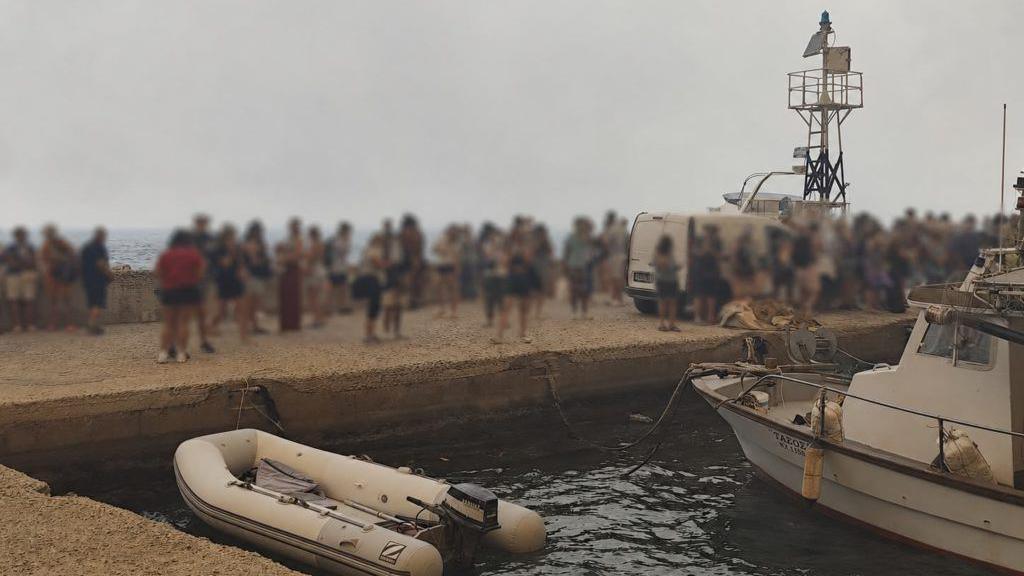
Hundreds of tourists in the town of Agios Vasileios, central Greece, were evacuated by sea after a wildfire broke out in the early hours of Friday morning and quickly spread under the forceful winds of a heatwave.
Local media reported that roughly 500 people were stranded when the fire reached the outskirts of the town. Firefighters and emergency workers are still working to safely remove those who remain on the coast, while additional 100 people are expected to be taken by boat.
At the same time, a separate blaze has ignited further along the coast, burning farmland before advancing into the rural town of Xironomi. On the nearby island of Crete, a large wildfire that started earlier this week has burned thousands of hectares and prompted a temporary evacuation of 8,000 residents; firefighters continue to fight persistent hotspots.
Wildfires are not uncommon in this region, but the current summer has been especially hot and dry, creating ideal conditions for expansive blazes across Europe. In Portugal and Spain, fire managers are confronting grasslands that have been scorched for weeks; recent reports show Portugal’s flared vineyards and olive groves, while Spanish authorities confirmed that a blaze near Valpaços has burned 15,000 hectares.
These events underscore how climate change amplifies the frequency and intensity of fires worldwide, often turning accidental or intentional sparks into devastating large-scale emergencies.