In brief
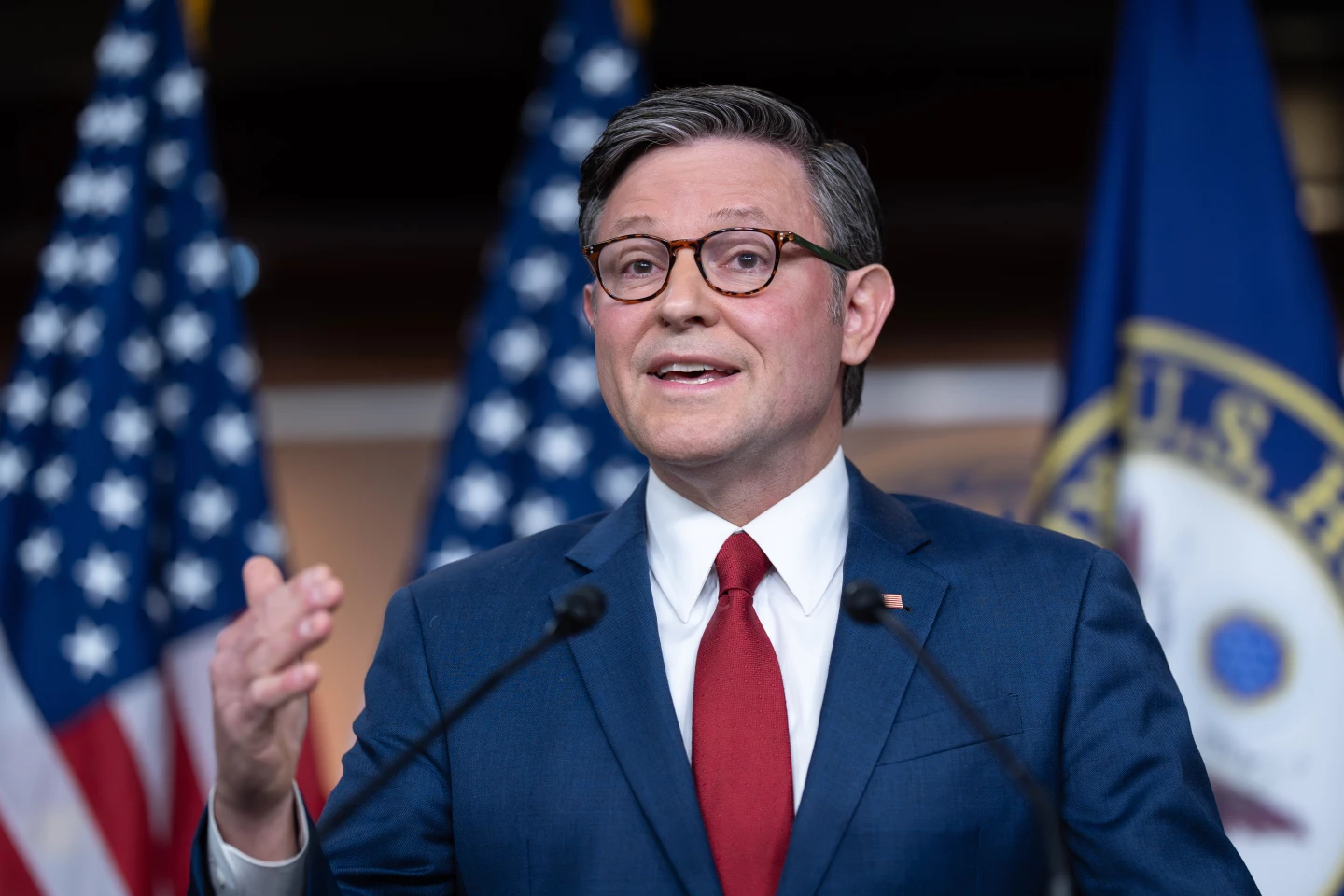
Following nearly eight weeks of governmental shutdown, the U.S. House of Representatives is set to reconvene under Speaker Mike Johnson. This marks a significant return as hundreds of lawmakers bring forth a surge of legislative initiatives and frustrations that had been set aside during the shutdown. The first order of business will be voting to reopen the government. However, the inevitable challenges Johnson faces in maintaining order and managing the multitude of unaddressed issues will test his leadership moving forward.
WASHINGTON (AP) — Speaker Mike Johnson has called lawmakers back to the U.S. House amid a backdrop of significant legislative demands following a lengthy governmental shutdown. After nearly two months of inaction, representatives are returning to Washington with pressing issues needing resolution.
On Wednesday, hundreds of lawmakers will gather to vote on reopening the government, marking a pivotal moment as they address a backlog of proposals and frustrations. Johnson’s decision to shutter the House has drawn comparisons to historical precedents, stirring debate among political analysts regarding the implications of such a move.
Matthew Green, a professor of politics at The Catholic University of America, emphasized the rarity of the situation. “What Speaker Johnson and the Republicans are doing, you have to go back decades to find an example where the House decided not to meet,” he remarked.
The House's return comes at a critical juncture for Johnson’s leadership, which has so far displayed an inclination to disrupt traditional norms of governance to pursue broader strategic goals.
As lawmakers gear up to address concerns ranging from routine legislation to more significant issues like the handling of the Jeffrey Epstein files, Johnson's ability to maintain control during this rapid reconvening period will be essential in the coming days.
“When Congress decides to turn off the lights, it shifts the authority to the executive branch,” Johnson stated during the shutdown, attributing the House closure to disagreements over essential funding disputes driven by his Democratic counterparts.
Critics have argued that Johnson’s strategy to close the House has abdicated legislative responsibility and placed unprecedented power in the hands of the executive branch under President Trump.
As the House gears up for a vote to reopen the government, Johnson will find himself at the center of intense scrutiny, tasked with balancing diverse interests amid a politically charged atmosphere.
With the passage of time, Johnson's tactics in handling the House have developed into a defining aspect of his tenure, requiring him to navigate complex dynamics while responding to lawmakers' demands to restore regular order.
As the situation unfolds, lawmakers hope that returning to session will signal a move towards stability and effective governance.