Homeland Security Secretary Markwayne Mullin is currently reviewing a controversial plan that seeks to convert warehouses across the United States into detention facilities for immigrants. The initiative has already seen an expenditure of over $1.074 billion across 11 locations, many of which are currently facing severe backlash from local communities and government officials.
Shortly after Mullin's appointment, the Department of Homeland Security (DHS) paused the acquisition of additional warehouses while scrutinizing contracts established under his predecessor, Kristi Noem. This has introduced uncertainty into a plan that hinges on active enforcement of immigration laws.
Arizona
One of the most notable acquisitions includes a 418,000-square-foot warehouse in Surprise, Arizona, purchased for $70 million. Local officials, including the state’s top prosecutor, Kris Mayes, reported being completely in the dark about this transaction prior to its closure. Plans for this site indicated an initial capacity for 1,000 to 1,500 detainees, though DHS has since revised its strategy to begin with only 250 detainees per week due to local pushback.
Florida
In Florida, an exploratory tour of a 439,945-square-foot warehouse in Orange County by ICE personnel has raised concerns among local citizens, with no further developments communicated to them since the tour.
Georgia
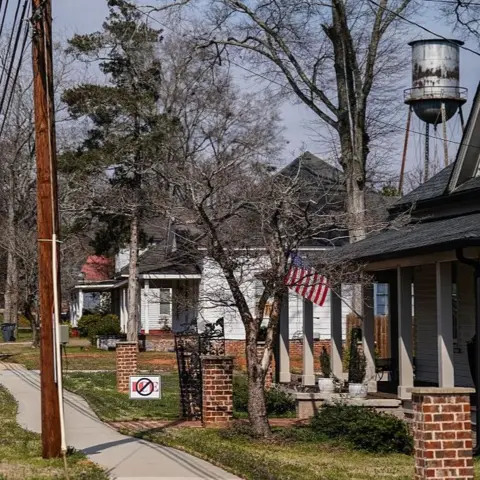
The situation in Georgia escalated when ICE purchased a warehouse in Social Circle for $128.6 million, with expectations to hold between 7,500 and 10,000 detainees. Local authorities expressed anxiety over the potential strain on the local water supply, leading to immediate community reactions against the acquisition.
Maryland
In Maryland, a warehouse valued at over $102 million for a proposed detention center is on hold after a lawsuit by the state’s attorney general brought legal concerns into the mix. The community remains sharply divided on the issue, highlighting the contentious atmosphere surrounding these federal initiatives.
Across various states, public outcry has prompted many proposals to be halted or reconsidered. Notably, local officials in Indiana, Michigan, New Jersey, and others have either taken legal measures or publicly condemned the lack of communication and planning from DHS. The overarching sentiment reflects a growing unease about the impact of these immigration policies at local levels.