In brief
Researchers tracking whales over 20 years found a rapid rise in sightings off East Greenland after sea ice retreat. By 2024 roughly 4,000 humpbacks, 6,000 fin and 6,000 minke whales were observed feeding in Arctic waters that were historically ice‑blocked. The study links warmer sea temperatures to an influx of fish, which supports an estimated 800,000 tonnes of prey consumption. While these species gain new opportunities, other northern mammals such as narwhals and belugas face shrinking habitats and increased competition.
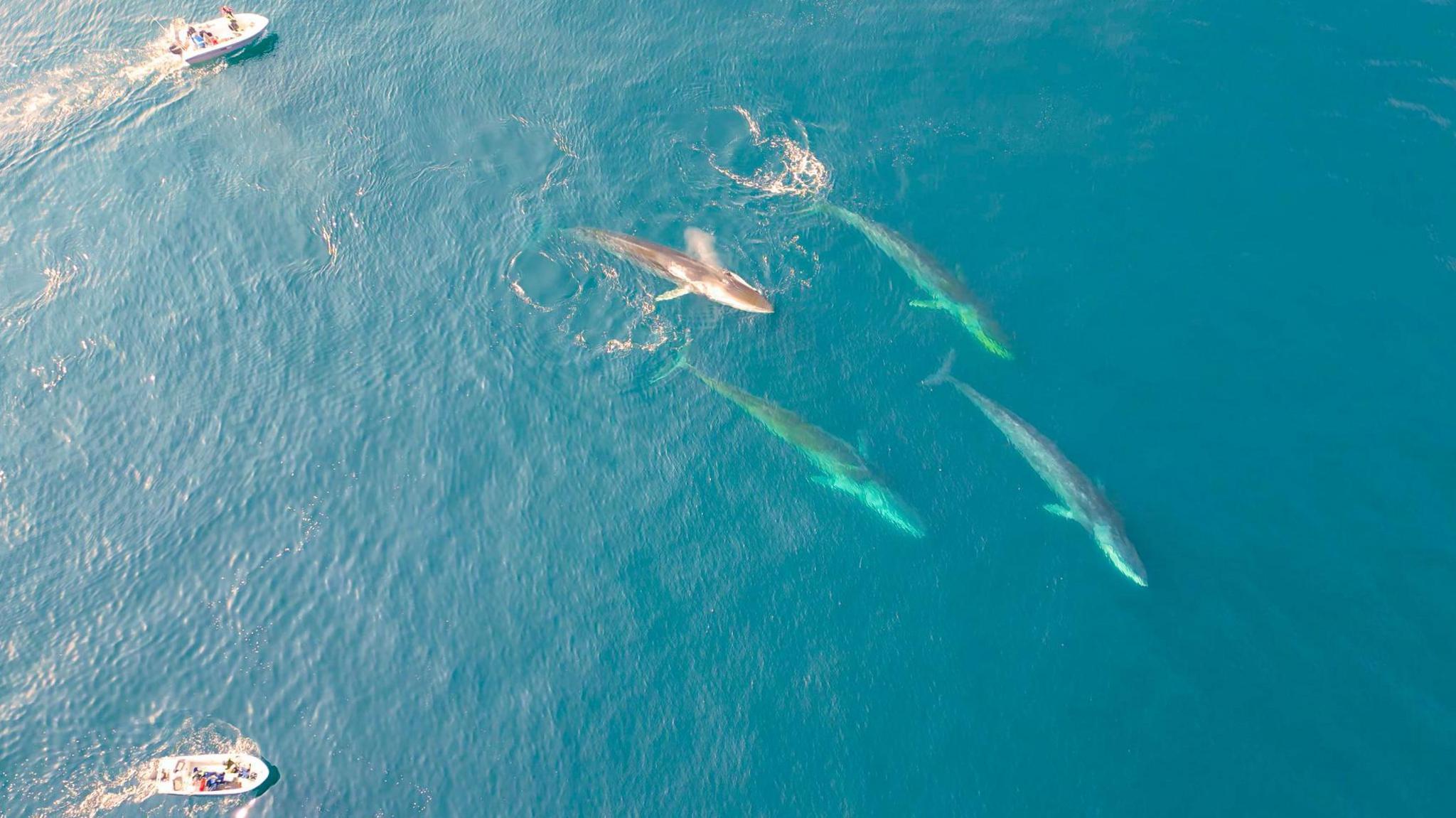
Sea ice has been disappearing from east Greenland, allowing giant whales to feed in previously inaccessible waters. The conclusion comes from a decades‑long study that recorded and filmed hundreds of the world’s largest whales – humpback, minke and fin – during summer ice‑free seasons.
Until 2006, ship‑based surveys reported no humpback sightings in the region. By 2007 seven were seen, and by 2024 the number rose to 150 sightings from ships. Aerial mapping of baleen whales in 2015 and 2024 combined satellite tagging of 15 individuals and Inuit hunters’ testimonies revealed a “major ecological regime shift” according to lead researcher Mads Peter Heide‑Jørgensen.
In 2024 an estimated 4,000 humpback, 6,000 fin, and 6,000 minke whales visited the Greenland Sea during summer feeding seasons. Scientists estimate that these species consumed at least 800,000 tonnes of fish and krill, driven by rising sea temperatures that make the waters richer in prey.
The shift shows that some species are thriving: whales now have access to new feeding grounds. Yet the same change threatens other Arctic mammals such as narwhals and belugas. Those species may lose habitat or be displaced by the larger whales, reflecting a complex trade‑off in a warming Arctic.
As sea ice continues to retreat, these findings highlight both new opportunities for some marine life and severe challenges for others, underlining the broader impacts of climate change on the fragile Arctic ecosystem.