In brief
A youth‑led protest that forced the resignation of Education Minister Dharmendra Pradhan sparked a wave of Gen Z slang in India’s parliament, as MPs borrowed words like ‘delulu’, ‘FOMO’ and ‘clock it’ during a debate on an anti‑exam‑leak bill. The Cockroach Janta Party, which began as an internet satire, mobilised millions via WhatsApp, Telegram and Instagram, turning online memes into real‑world activism. While politicians adopted the language to appear connected to younger voters, scholars argue that borrowing slang is a long‑standing political tactic, not a new paradigm. The parliament’s fleeting adoption of viral terms illustrates how quickly digital vernacular spreads, though whether it will leave a lasting policy impact remains uncertain.
India’s lower house of Parliament – the Lok Sabha – was recently flooded with words that have lived for years in Instagram comments and meme pages.
A youth‑led protest that forced the resignation of Education Minister Dharmendra Pradhan set the stage for a surge of Gen Z slang in official debate. During a discussion on a new anti‑exam‑leak bill, MPs borrowed words like delulu, FOMO and clock it, turning the chamber into a playground for online jargon.
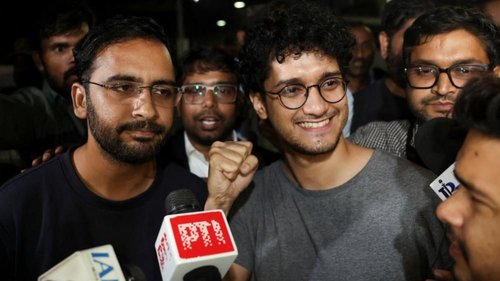
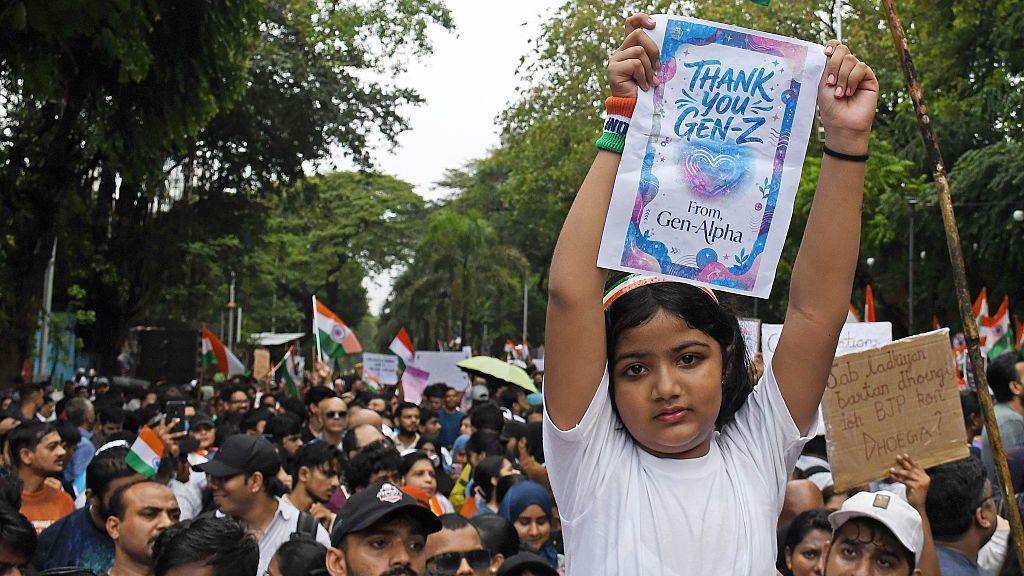
The Cockroach Janta Party, born as a satirical internet collective, evolved into a real‑world movement when thousands of students joined streets in Delhi to protest alleged leaks in the NEET examinations. The movement used WhatsApp, Telegram and Instagram to coordinate, turning memes, fit‑check videos and “Get‑Ready‑With‑Me” reels into a national rallying cry.
Policymakers, keen to appear connected to younger voters, embraced the slang. BJP legislator Bansuri Swaraj praised Prime Minister Narendra Modi for “clocking it” with the bill, while rival MP Tejasvi Surya dismissed critics as “delulu.” Even opposition leader Supriya Sule chuckled at the trend, briefly using the term herself.
Political scientists note that politicians have long borrowed popular culture into speech – from cricket slogans in 2019 to Bollywood catch‑phrases in election rallies. The current adoption of fast‑moving internet slang is therefore another instance of familiar political strategy: speaking the language of the electorate, though it does not necessarily signal deep change.
Still, the parliament’s fleeting use of Gen Z slang underscores how quickly online vernacular can infiltrate national institutions. Whether the trend will have any lasting effect on policy or rhetoric remains to be seen – especially as internet words appear and disappear at lightning speed.