Iran launched a missile attack on a US military base located in Qatar on Monday, marking a significant escalation in regional tensions. This assault is reported to be in direct retaliation for recent US airstrikes against Iranian nuclear facilities that occurred over the weekend. Witnesses in Doha reported hearing loud explosions, with video evidence showing bright flashes in the sky as Qatar's air defense systems worked to intercept the incoming missiles.
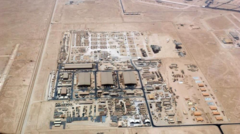
The largest US military base in the Middle East, Al-Udeid, was targeted in the missile strike, which Iran claims was a necessary response to the US bombings. The base in Qatar serves as a vital hub for US air operations in the region and also hosts a number of British military personnel. Iranian officials stated that the country would not tolerate attacks against its sovereignty and criticized US bases as liabilities rather than strengths.
The number of missiles fired remains uncertain, with reports varying: Iran claims six were launched, while US sources indicate 14, and Qatar cites 19, all of which they state were intercepted with no casualties reported. In anticipation of the strike, the US and UK had earlier advised their citizens in Qatar to "shelter in place."
In a subsequent press statement, President Donald Trump referred to the missile attack as "very weak" and expressed gratitude that Iran had provided early notice of the assault, which he believes prevented loss of life. He suggested that there is now a potential for peace in the region.
On the diplomatic front, tensions continued to rise as Iran’s supreme leader Ayatollah Ali Khamenei emphasized that Iran would not bow to foreign violations. Meanwhile, Qatar's foreign ministry condemned the missile strike as a significant violation of its sovereignty.
The US strikes on Iranian nuclear facilities, which have been labeled critical for deterring Iran's potential nuclear capabilities, had been conducted amidst ongoing military actions by Israel, which has intensified its operations against Iranian infrastructure. Both nations have expressed intentions to prevent Iran from acquiring nuclear weapons, which Iran maintains is solely for civilian use.
As the situation evolves, Israel has agreed to a ceasefire proposed by Trump, while Iran has indicated that it would cease attacks only if Israel does the same. The delicate balance remains fragile in a region rife with escalating military encounters and shifting political dynamics.
The largest US military base in the Middle East, Al-Udeid, was targeted in the missile strike, which Iran claims was a necessary response to the US bombings. The base in Qatar serves as a vital hub for US air operations in the region and also hosts a number of British military personnel. Iranian officials stated that the country would not tolerate attacks against its sovereignty and criticized US bases as liabilities rather than strengths.
The number of missiles fired remains uncertain, with reports varying: Iran claims six were launched, while US sources indicate 14, and Qatar cites 19, all of which they state were intercepted with no casualties reported. In anticipation of the strike, the US and UK had earlier advised their citizens in Qatar to "shelter in place."
In a subsequent press statement, President Donald Trump referred to the missile attack as "very weak" and expressed gratitude that Iran had provided early notice of the assault, which he believes prevented loss of life. He suggested that there is now a potential for peace in the region.
On the diplomatic front, tensions continued to rise as Iran’s supreme leader Ayatollah Ali Khamenei emphasized that Iran would not bow to foreign violations. Meanwhile, Qatar's foreign ministry condemned the missile strike as a significant violation of its sovereignty.
The US strikes on Iranian nuclear facilities, which have been labeled critical for deterring Iran's potential nuclear capabilities, had been conducted amidst ongoing military actions by Israel, which has intensified its operations against Iranian infrastructure. Both nations have expressed intentions to prevent Iran from acquiring nuclear weapons, which Iran maintains is solely for civilian use.
As the situation evolves, Israel has agreed to a ceasefire proposed by Trump, while Iran has indicated that it would cease attacks only if Israel does the same. The delicate balance remains fragile in a region rife with escalating military encounters and shifting political dynamics.