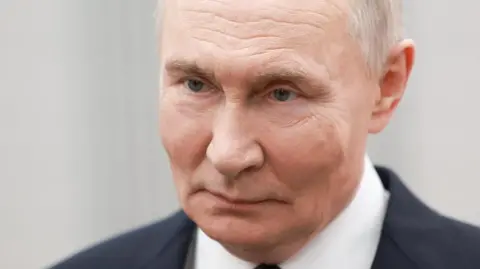
The latest round of diplomacy surrounding Ukraine reveals much about Russian President Vladimir Putin's mood and intentions.
First and foremost, he remains unwilling to sign a peace deal at this time, particularly not the terms currently under discussion.
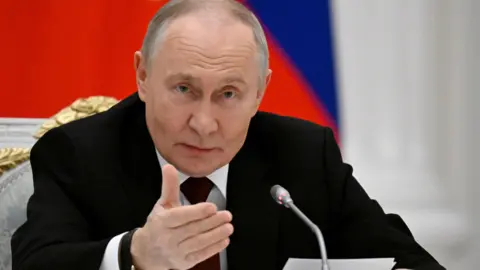
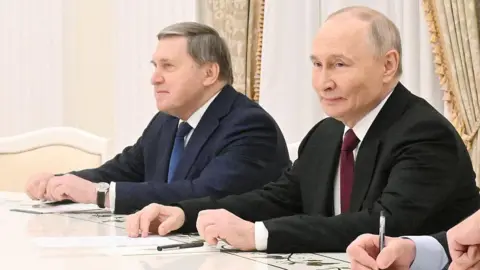
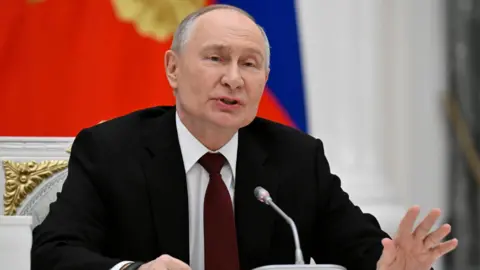
According to Kremlin foreign policy aide Yuri Ushakov, after five hours of talks involving Putin, U.S. envoy Steve Witkoff, and Jared Kushner, there is still 'no compromise version.' This is consistent with Putin's recent relentless criticisms of the Ukrainian government, which he refers to as a 'thieving junta,' and European leaders for allegedly undermining peace initiatives.
Images of Putin donning military fatigues, scrutinizing battlefield maps, and touting military successes — many of which are contested by international observers — illustrate a leader trapped in a narrative of victory.
Even after nearly four years of conflict and evident losses for Russia, Putin seems convinced that he is prevailing and that now is not the time to halt military operations.
This outlook is meticulously crafted to give the impression to both domestic and international audiences that there is no force capable of impeding his military objectives.
Describing Putin's resolve, one can liken him to a car hurtling down the highway without brakes or steering—set on a course with no potential for recalibration.
However, a vital caveat persists; just as a vehicle requires fuel, this war demands sustained economic resources. While Russia's ability to fund its operations is still intact despite ongoing sanctions, fiscal pressure is mounting, with dwindling oil and gas revenues and an increasing budget deficit.
Even Putin acknowledges economic challenges, citing 'imbalances' in production. The crucial question remains: at what point will these economic realities influence the Kremlin's military strategy?