In brief
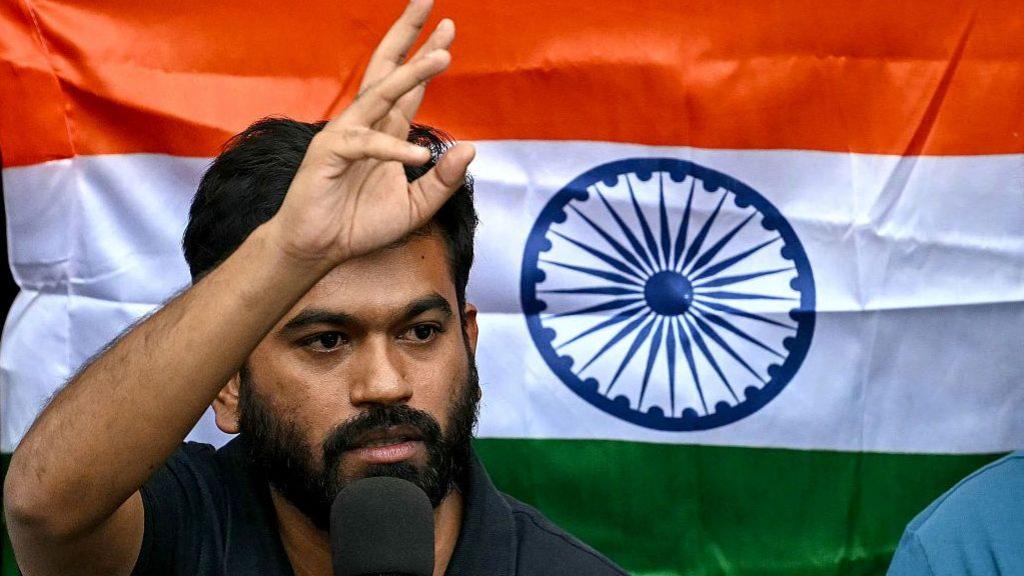
Abhijeet Dipke, the founder of the Cockroach Janta Party (CJP), was detained by Delhi police just before a planned demonstration in Connaught Place. The move follows a police warning against the march and a wider security sweep that detained thousands of protestors, students and journalists, with reports of physical assault on a bus. The CJP is demanding the resignation of Chief Election Commissioner Gyanesh Kumar, alleging voter‑roll manipulation linked to a massive “Special Intensive Revision” (SIR). The crackdown has drawn comparisons to the 1975–1977 Emergency period and has intensified tensions between the government, opposition leaders, and student activists. Dipke remains a symbol of resistance, while authorities cite public safety and order as reasons for the heavy policing measures.
India’s ‘Cockroach’ Party founder detained ahead of protest
Abhijeet Dipke, who leads the youth‑led Cockroach Janta Party (CJP), was taken into custody by Delhi police moments before a planned march in the capital’s Connaught Place. The move follows a police warning that the demonstration would be unlawful, and the authorities had already deployed thousands of officers across the city to block the route.
The CJP demands that Chief Election Commissioner Gyanesh Kumar resign, accusing the election panel of favouring the ruling Bharatiya Janata Party by removing more than 130 million names in a sweeping voter‑roll revision known as Special Intensive Revision (SIR). The commission and the government deny any bias.
Earlier this week the CJP blocked a bus to free a member of Parliament from a police car, and police had seized Dipke’s plane before it could depart following second detention. The second arrest marks a second detention in less than a week.
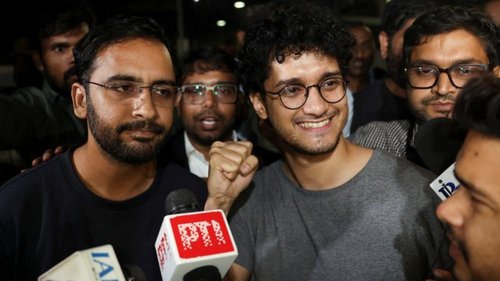
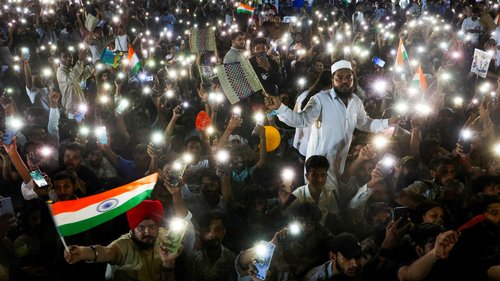
The raid on Friday saw the arrest of journalists, students and other protestors, some of whom were shoved into police buses. Footage later showed a police officer slapping a detained protestor inside a waiting bus. Delhi authorities said the crackdown was necessary to maintain public order, while critics compared the response to the state of Emergency from 1975 to 1977.
Police subsequently removed Jantar Mantar, a historic protest venue, from the list of authorised sites, replacing it with four alternate locations. The CJP leaders were released after agreeing to cooperate, but two other senior organisers were jailed for five days. The movement has therefore persisted, with supporters urged to spread the flag‑raising video online.
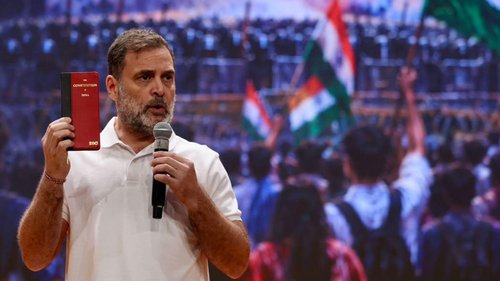
Meanwhile, opposition parties have joined the protest wave. Rahul Gandhi and other lawmakers were stopped and detained while attempting to march to the Election Commission headquarters. The opposition has taken its concerns to the President and the Supreme Court, demanding greater transparency in the voter‑verification process.
Home Minister Amit Shah defended the election commission’s independence, accusing opposition parties of spreading falsehoods. The CJP, student activists, and generic opposition groups now share a broader goal: convincing the public and authorities that the SIR exercise is unfair and that democratic norms are being compromised.